Typhoon Champi threatens the backlog recovery at Ningbo and Shanghai
Will week 44 cost one skipped call, or omissions week after week?
Drewry's rule of thumb for clearing a one-day port closure, and what it does to weekly strings that are already short of time.
A strong typhoon is heading for Taiwan and eastern China while ports there are still clearing a summer backlog. One closed day can take weeks to catch up, and carriers win the time back by skipping calls, which bunches ships at the next port. This weekend shows whether the recovery holds or starts again.
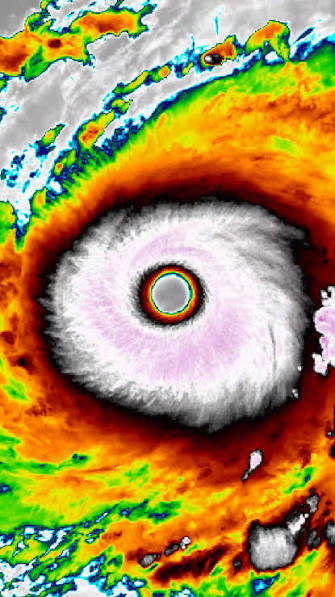
Typhoon Champi is forecast to pass Taiwan's east coast this weekend and then turn across the East China Sea. On 21 October it was a Category 5-equivalent storm. Ningbo and Shanghai have been working down a backlog since August, and shippers quoted by Platts still put delays at both ports at about four days. If Champi closes those terminals again, that recovery goes back toward its start.
One closed day costs more than a day. Chantal Roberts of Drewry Supply Chain Advisors reckons a port closed for one day needs about five weeks to clear, and that figure is for a quiet period. Ships keep arriving to schedule while the terminal is shut. When it reopens, the delayed ships queue next to the ships that are on time. The backlog then shrinks only by the margin between what the port can handle and what arrives each day.
That margin is thin this month. Maersk says strong Asian export demand is still pressing on congested ports.
The terminal queue also lands on the ships' schedules. A ship that loses two days at Ningbo has two ways back to its proforma. It can speed up, or it can drop a port. Brent has been above $100 a barrel since early September, and fuel burn climbs steeply with speed. So lines drop calls. They have already started: Platts counted about five missed calls across four Southeast Asia services on the Australia trade in September.
An omission pushes the problem down the string. Cargo from the skipped call goes on next week's sailing, and that ship arrives carrying its own boxes plus the ones left behind. The port after the omission sees the ship early, outside its berth window, and makes it wait. This is how one closed day becomes bunched arrivals two ports further on.
A ship that does call at Ningbo can't save time by leaving cargo behind either. Ningbo has told lines to keep rolled local exports under 10% and transhipment dwell under seven days. The ship has to lift what is waiting for it, so the time it lost comes out of the rest of the rotation.
Week 44 starts on 26 October. Its omission notices will show whether lines can rebuild their schedules by cutting one call or will have to omit week after week.