A.P. Moller Capital buys majority of Euroports
Europe’s biggest bulk terminal group just got a new majority owner... The price isn’t fixed yet.
Where the buyer sits in the Moller group, why the stake has been for sale since 2024, and what the deal changes for ships and cargo at Euroports' terminals.
Euroports, a Belgian bulk terminal group, has needed a new majority owner since 2024. It has found one in A.P. Moller Capital, a fund in the same group as Maersk, which will keep Euroports' managers in place. So little changes at the quay. The owner's plans will show in what it pays for next.
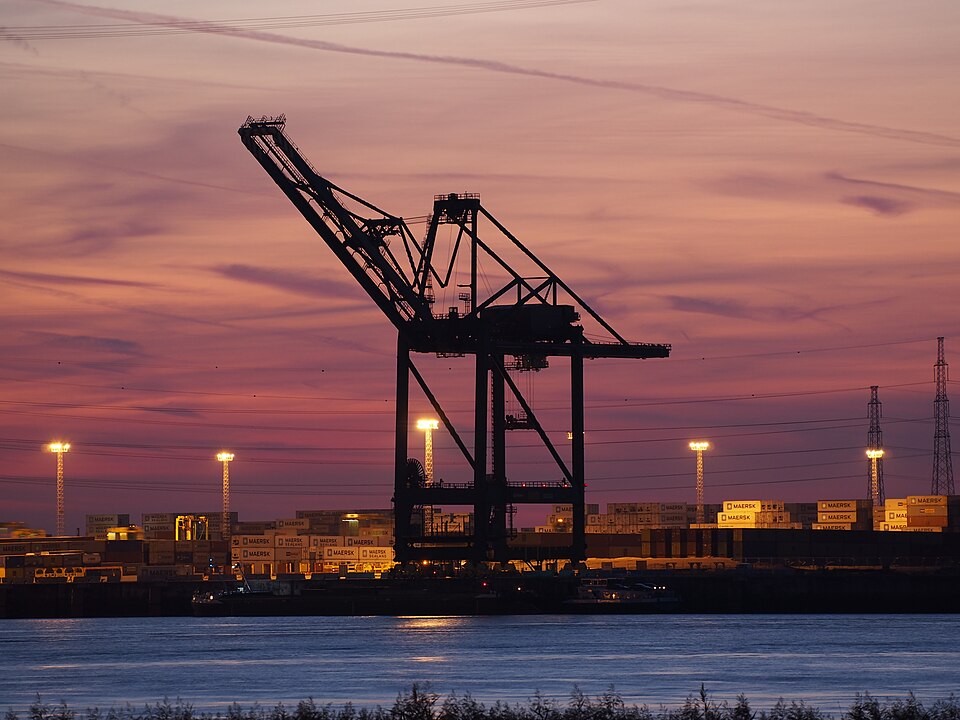
A.P. Moller Capital, the infrastructure fund manager in Denmark's Moller group, has agreed to buy control of Euroports, a Belgian company that runs more than 50 bulk and breakbulk terminals. The deal was signed on 25 September. It covers 53.35% of Thaumas N.V., Euroports' holding company. Euroports moves more than 70 million tonnes a year through ports from Rauma in Finland to Tarragona in Spain. Anyone using those quays will ask two things: why the owners sold, and whether the Moller name means Maersk.
The sale has been coming since 2024. Three partners bought Euroports in 2019. R-Logitech, part of Monaco-based Sonel Investment, held the majority. The other two were the Belgian federal state's holding company, SFPIM, and its Flemish counterpart, PMV. In June 2024 R-Logitech said it wanted out. The two state investors took some of its shares as a bridge and started looking for a private majority owner.
This deal ends that search. All three shareholders are selling part of the 53.35%, and the two Belgian investors keep a minority stake.
The price will be set by Euroports' earnings (EBITDA) for 2026. R-Logitech's disclosure says it will use its proceeds, after deal costs, to repay its 10.25% notes. Approvals are expected in the first quarter of 2027.
Where A.P. Moller Capital sits
The buyer was founded in 2017 and is one of A.P. Moller Holding’s portfolio companies. That holding company controls roughly 45% of Maersk’s share capital and 52–53% of its votes, and Maersk owns APM Terminals. The buyer is therefore Maersk’s sister company. It is acquiring the stake through a separately managed fund vehicle; Maersk itself is not a party to the deal.
The people have terminal backgrounds. Kim Fejfer, the fund's chief executive, ran APM Terminals for 13 years. Joe Nielsen, the partner quoted on the deal, was APM Terminals' vice-president for port investments.
For a shipowner or a cargo owner, completion changes little. Management and strategy stay as they are, under chief executive Frédéric Platini.
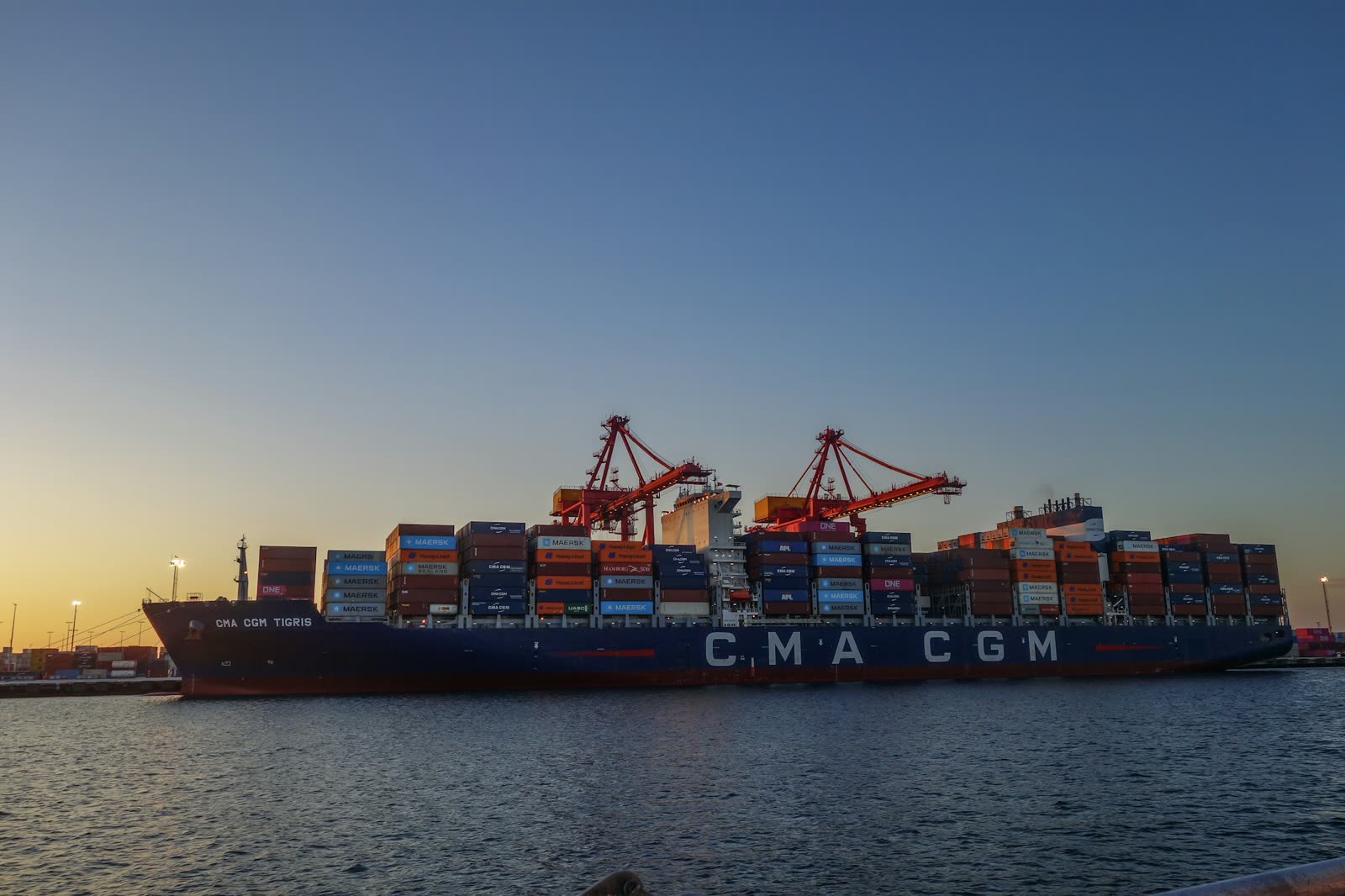
When a carrier owns a terminal, the usual worry is that the owner's own ships get the better berth windows. That worry has little to bite on here. The cargo is mostly fertiliser, agribulk, sugar, metals and forest products, and the customers are the companies that ship and receive it. Euroports does list containers among its cargoes, but nothing announced links that business to Maersk.
The first number to watch is Euroports' 2026 earnings figure, because it sets the price. Completion also needs competition clearance and consents from third parties. For a terminal group, that usually includes port authorities approving the change of control on concessions.
After that, watch what the fund pays for. A.P. Moller Capital funds (e.g. EMIF II) are standard closed-end infrastructure vehicles with multi-year investment + holding periods; exact term for the Euroports vehicle not disclosed.
A.P. Moller Capital's announcement promises a broader footprint. The first acquisition or quay investment will show whether Euroports is being built up or just held. This is Euroports' third ownership line-up since 2019, and the new owner has not said how long it plans to stay.
Primary sources
- officialA.P. Moller Capital Agrees to Acquire a Majority Stake in Euroports Group A.P. Moller Capital, 2026-09-28
- officialOur people A.P. Moller Capital, 2026-09-29
- officialPortfolio: A.P. Moller Capital A.P. Moller Holding, 2026-09-29
- officialGlobal presence Euroports, 2026-09-29
- officialEuroports announces change in shareholder structure Euroports, 2024-06-25
- officialEuroports home page (cargo types and scale) Euroports, 2026-09-29
- officialPTA-Adhoc: Share Purchase Agreement for 53.35% Stake in Thaumas N.V. signed with A.P. Møller Capital R-Logitech Finance S.A. (via TradingView), 2026-09-25