CMA CGM and Engie plan a biomethane plant at Le Havre
Will this plant get past the investment decision that stopped the last one?
What the plant changes for CMA CGM's dual-fuel fleet, which is mostly paperwork, and why the investment decision matters more than the 2029 start date.
CMA CGM and Engie plan a biomethane plant at Le Havre, France. It is their second try after an earlier plant there was dropped in 2025. The gas works in CMA CGM's existing LNG ships and reaches them through the grid on certificates, so little changes on board. Whether it happens depends on an investment decision not yet taken.
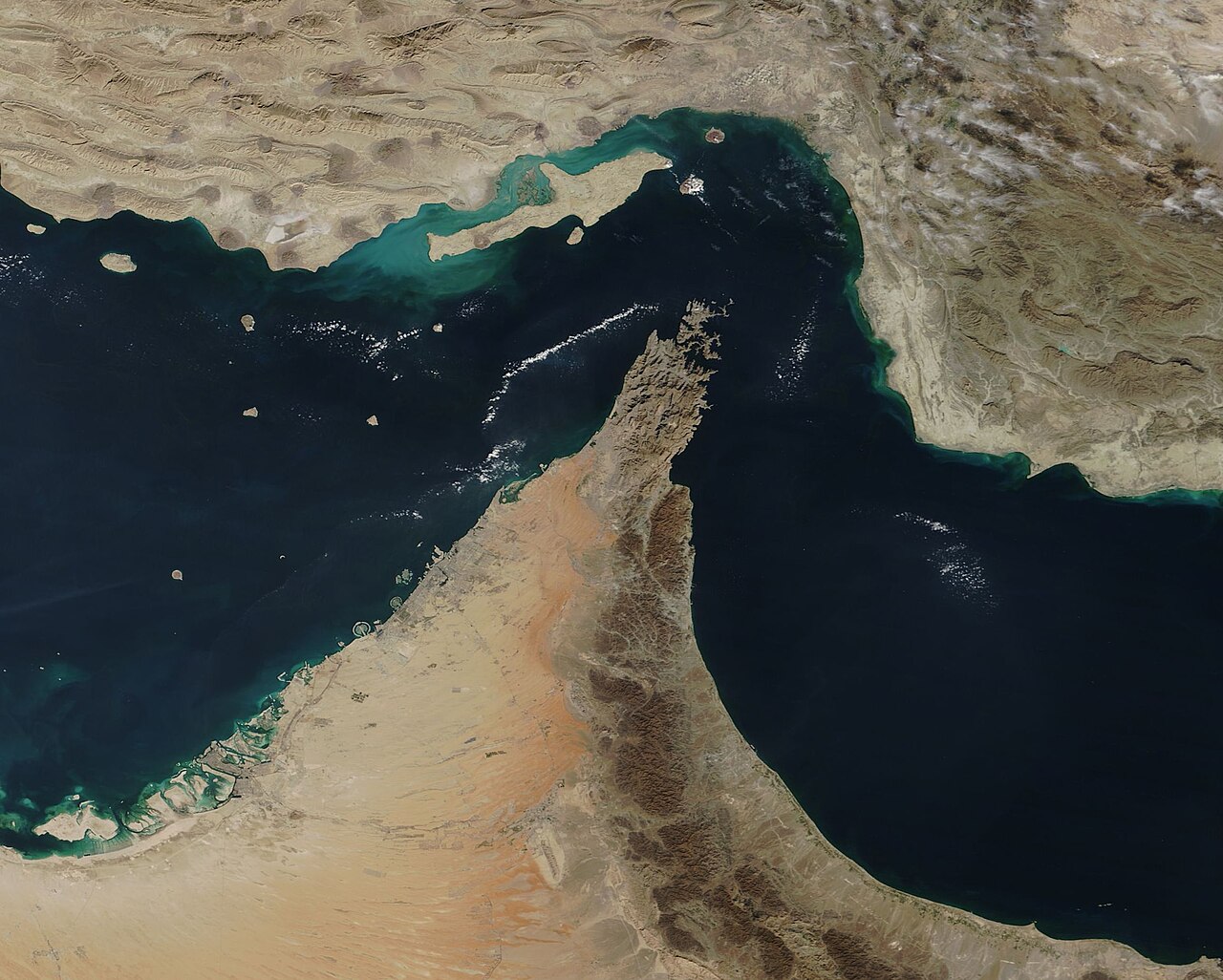
Engie and CMA CGM signed a framework agreement on 13 October to develop a biomethane plant in the industrial port zone of Le Havre, France's largest container port. From 2029 it would supply about 7,000 tonnes of biomethane a year to CMA CGM's fleet. Engie will build and run it only after a final investment decision. That decision has not been taken.
The last plant stopped at that same step. In July 2022 the same partners announced Salamandre, a Le Havre plant meant to turn wood waste into gas by pyrogasification. It would have made 11,000 tonnes a year and cost about $150 million. It was dropped in January 2025. Engie said it had not raised the financial support it needed. Its EU Innovation Fund application had failed, and costs were high. The new plant uses anaerobic digestion instead, fed by livestock waste, household biowaste and farm residues.
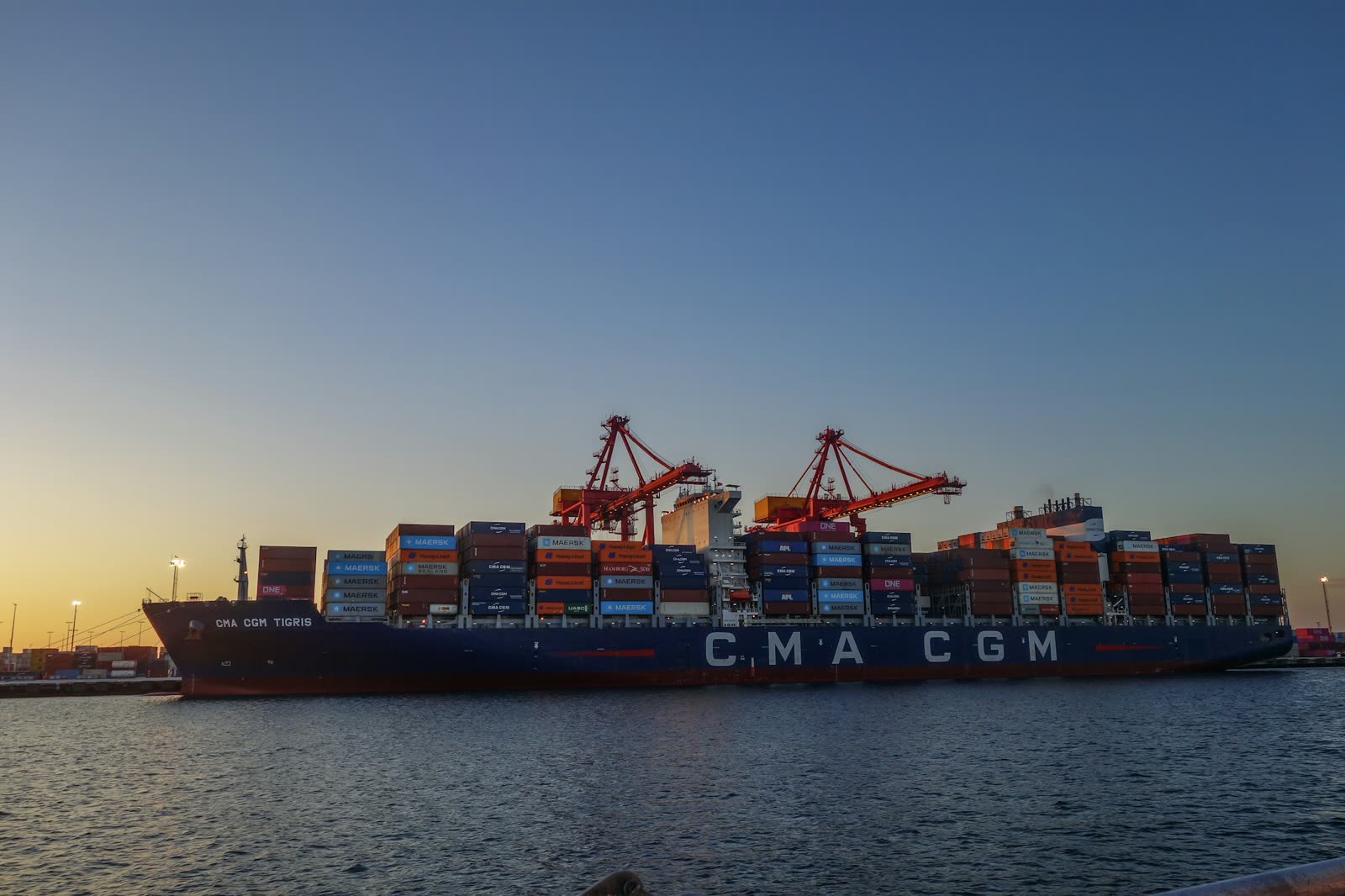
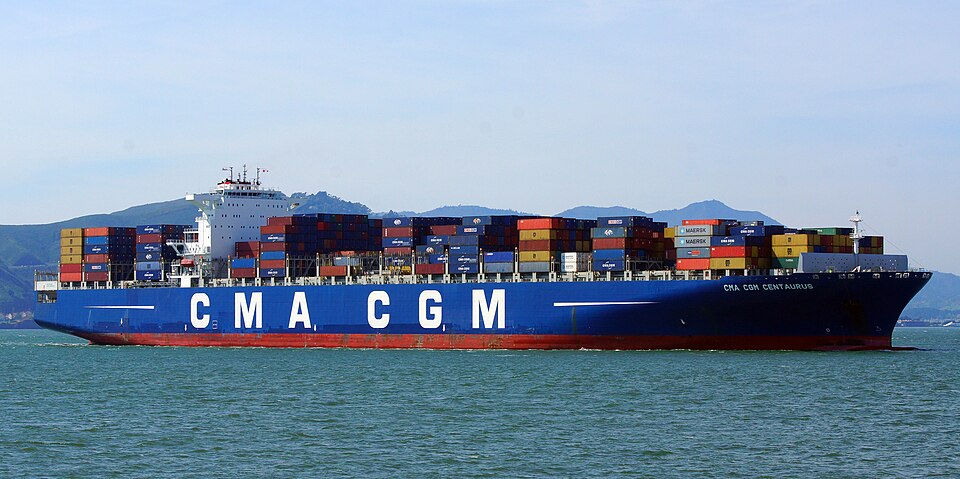
The fuel itself asks almost nothing of the ships. Upgraded biomethane is methane, the same fuel as fossil LNG, so it goes into the same tank and the same engine. CMA CGM expects to have 81 LNG dual-fuel ships by the end of this year. Those ships will never burn the gas made in Le Havre. The plant injects it into the European gas grid, which the EU counts as one mass-balancing system, and CMA CGM claims the volume on certificates. The ship takes ordinary LNG from a bunker vessel at its usual bunkering port.
So the bunker plan, the tank, the gas handling and port acceptance stay as they are. The paperwork changes. Under FuelEU Maritime, the bunker delivery note has to state the renewable fuel type, its share and its sustainability certification. The compliance desk has to match each certificate to a delivery, and the verifier has to accept the chain. Fuel accounting and voyage emission tools need a bio share for each delivery, as well as a fuel grade for each tank.
With so little to change on board, the plant succeeds or fails on money, which is where Salamandre failed. The announcement gives no capex, no subsidy and no date for the investment decision. Even the start date is not fixed. One line of the release gives 2029 and another gives 2029-2030.
The thing to watch is that investment decision, with a capex figure attached. Compare it with Salamandre's roughly $150 million for 11,000 tonnes a year.
Primary sources
- officialCMA CGM and ENGIE join forces to invest in biomethane production in Le Havre CMA CGM, 2026-10-13
- Adjustments to the requirements for mass balance verification dena (German Energy Agency, biogas register), 2024-02-12
- Fuel EU Maritime Regulation: the next legislative piece to make the EU climate neutral Skuld