CMA CGM outgrows Hapag-Lloyd at nearly the same rates
Will ten ships back through Suez win Hapag-Lloyd its volume back?
Both carriers collected close to 30% more per TEU. Room on the ship made the difference between them, and the return to Suez is about to change that count.
CMA CGM and Hapag-Lloyd both collected close to 30% more per container in the third quarter. Hapag-Lloyd's ships were nearly full and its capacity was flat, so its volume stood still while CMA CGM's grew 5.5%. As Gemini services return through Suez, Hapag-Lloyd gets back more than ten ships. Early 2027 will show whether the gap was only about space.
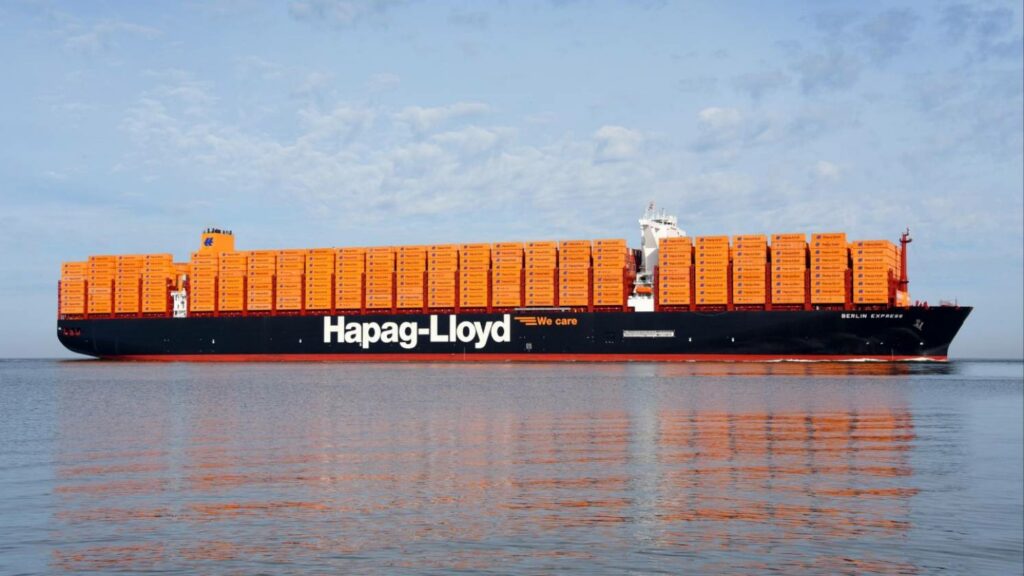
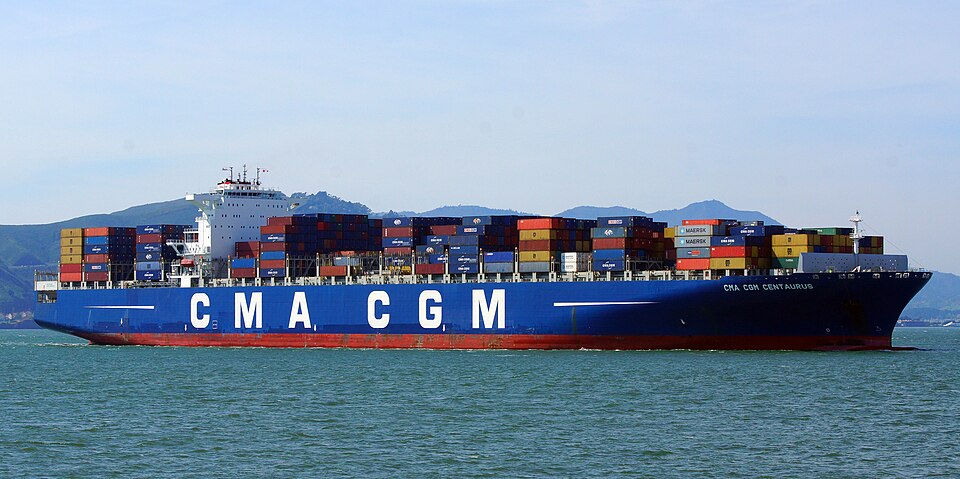
CMA CGM moved 6.5 million TEU in the third quarter of 2026. That was 5.5% more than a year earlier. Hapag-Lloyd reported a day before and carried 3.38 million TEU, against 3.40 million a year earlier. Container Trades Statistics put global growth at about 5%, so standing still meant losing share.
The two carriers got almost the same price. CMA CGM's shipping business collected $1,891 per TEU, up 30%. Hapag-Lloyd's average freight rate was $1,808, up 28%. The two companies define these figures differently, but the rise is close to the same. When rates move together like that, the gap in volume has to come from somewhere else.
It came from space on the ships. Hapag-Lloyd said utilisation on its main East-West headhaul legs stayed above 98%, and its capacity was about the same as last year. At that load factor the allocation desk sets the volume, and it is rationing.
So where did CMA CGM find room for roughly a third of a million extra TEU? It found it on more ships. CMA CGM has been the fastest-growing of the large carriers this year. Most of its 5.5% was settled when those ships were ordered.
Hapag-Lloyd made a different trade, and it is a defensible one. Gemini, its network with Maersk, is built around schedule reliability, and reliability needs slack. Gemini ran at 80% reliability in the quarter, against an industry average of 58%. Hapag-Lloyd sold the same slots for 28% more. Its liner business earned about $310 of EBIT per TEU, against about $65 a year earlier.
That slot limit is now easing. Gemini has started moving services back through Suez, and Hapag-Lloyd expects to be close to fully back by the end of the first quarter. That frees a little more than ten ships. Hapag-Lloyd gets that capacity without placing an order.
CMA CGM goes into that period with new ships still arriving. The rest of the market gets its Cape tonnage back over the same months. Hapag-Lloyd's slides show capacity routed through the Red Sea climbing from near zero to about 4 million TEU by early 2027.
The quarter to watch is the first of 2027, when most Gemini ships are back on the short route. If Hapag-Lloyd's volume comes back with its ten ships, the third-quarter gap came down to slots. If CMA CGM keeps its volume lead while collected rates hold, its fleet growth paid off.
Primary sources
- officialHapag-Lloyd further raises its earnings outlook for the current financial year Hapag-Lloyd AG (EQS ad hoc disclosure), 2026-11-11