Maersk opens a 140-plug reefer depot in Montevideo, Uruguay
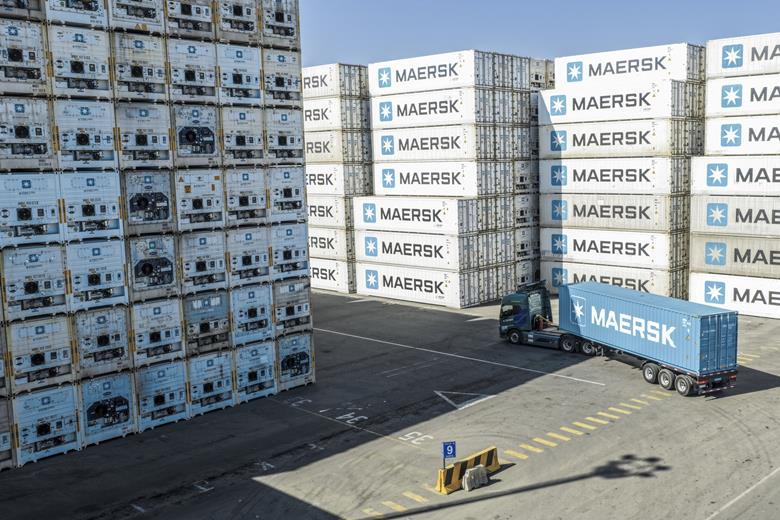
One delayed or skipped ship and these plugs fill up in a day or two.
Next to Uruguay's meat exports and Hamburg Süd's history on the River Plate, the plug count looks small, until you follow a reefer from the plant to the ship and see where it actually needs power.
Maersk has opened a logistics centre in Montevideo, Uruguay, with 140 plugs for refrigerated containers. Uruguay's meat exports run from the plant to the port terminal, so the depot's plugs only hold boxes waiting in between. For that job 140 is a sensible number while boxes move quickly, and it says little about Maersk's reefer business.
Maersk has opened a logistics centre in Montevideo, Uruguay's capital and main port, with 140 plugs for refrigerated containers. The company says the site cost more than $20m. Meat is Uruguay's main refrigerated cargo, and the plugs are where the site meets it.
I worked at Hamburg Süd, whose strength on the River Plate was refrigerated cargo, so 140 is the number that made me look twice. Uruguay exported 693,528 tonnes of meat in 2025, according to its national meat institute. At around 26 tonnes to a 40-foot reefer, that is roughly 26,000 boxes a year. Across every carrier, that is about 500 a week. The depot could not hold one week of it at once.
It does not have to, because the meat barely stops there. The plant stuffs and seals the box, a truck takes it to the terminal, and the terminal keeps it powered until loading. The terminal's plugs carry the export volume.
So what are the depot's plugs for? They hold boxes that are waiting somewhere between the plant and the terminal. Every empty reefer released to a meat plant has to pass a pre-trip inspection, running on power while it does. Plants stuff on the slaughter schedule, and ships arrive on their own schedule. When the terminal opens reefer receiving only a few days before the vessel, a stuffed box needs power somewhere else. Bonded and import boxes also wait on power while their paperwork clears.
Each plug, then, is a time slot. If a full box holds one for two days, 140 plugs pass about 490 boxes a week. That is close to the whole country's weekly meat export, and one carrier's share is a fraction of it. So 140 is enough to buffer Maersk's share and still run an inspection lane. The two-day dwell is my assumption, and the sum depends on it.
The same sum shows the risk. A vessel that is delayed or skips Montevideo leaves stuffed boxes on the plugs, and a buffer this size fills in a day or two.
None of this says much about the reefer business Hamburg Süd built. That business lives in the equipment pool, the plugs on the ships calling the River Plate and the contracts with the meat plants. Maersk has owned all three since buying Hamburg Süd in 2017.
What the count can show is the depot's own role. If Maersk adds reefer rows before the next meat and fruit peak, the depot is joining the reefer chain. If it stays at 140 through 2027, it is an equipment and warehousing yard with an inspection lane.
Primary sources
- officialPresidente Orsi participó en inauguración de centro logístico en Montevideo Presidencia de la República, Uruguay, 2026-11-11