Gulf container rates: Korea's data says 1.7%, Maersk adds up to $4,800
What if the number everyone quotes is already a month behind the real cost?
A line-by-line read of what is actually on a Gulf container quote, and why the published average is measuring something else.
South Korea's customs data shows the cost of a 40-foot container to West Asia up 1.7% in August and up 133.7% on the year. That average comes from cargo that actually shipped, so it misses the emergency charges carriers added in September and the bookings they suspended. Use the year-on-year figure, and treat the monthly move as a lagging record rather than a price signal.
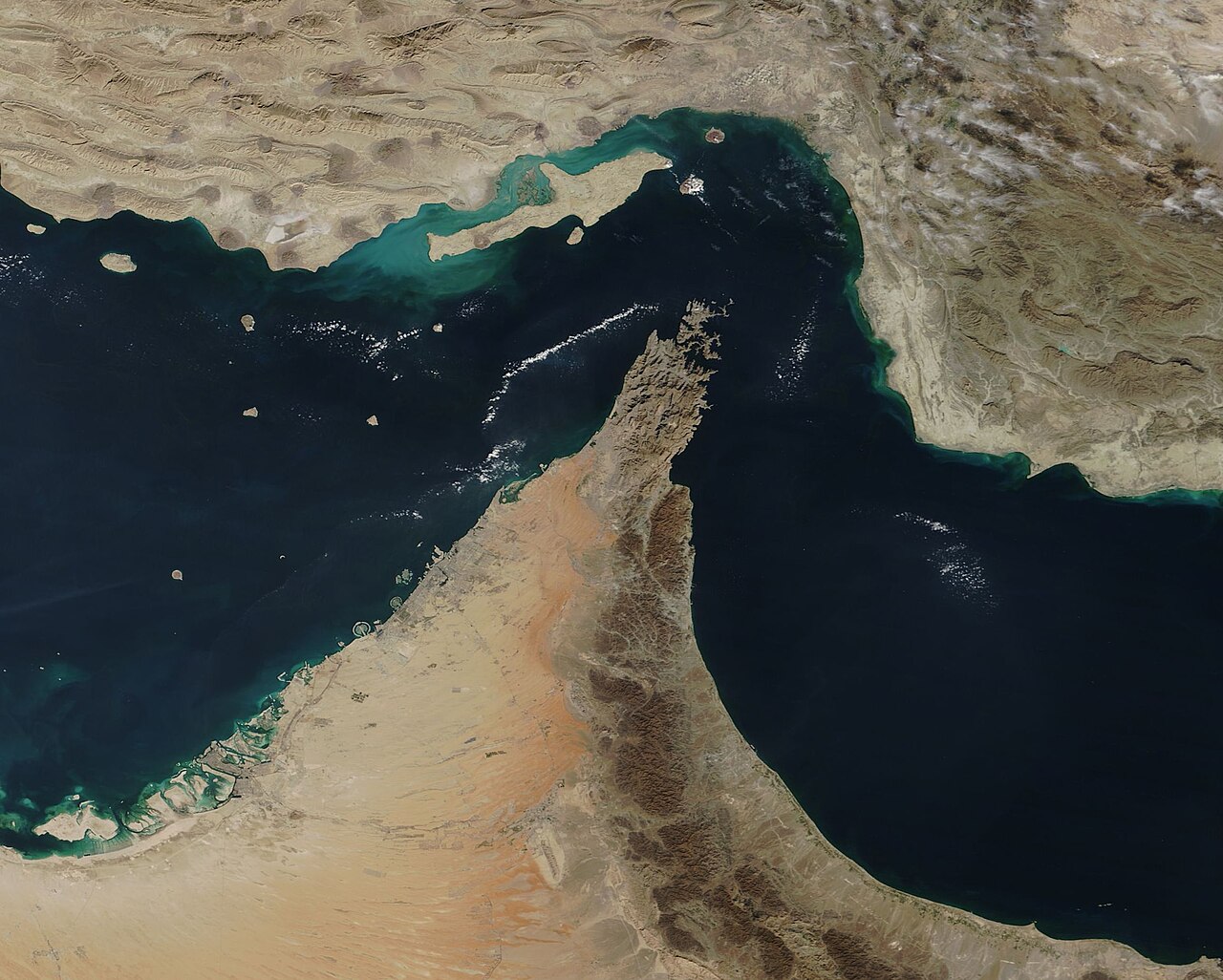
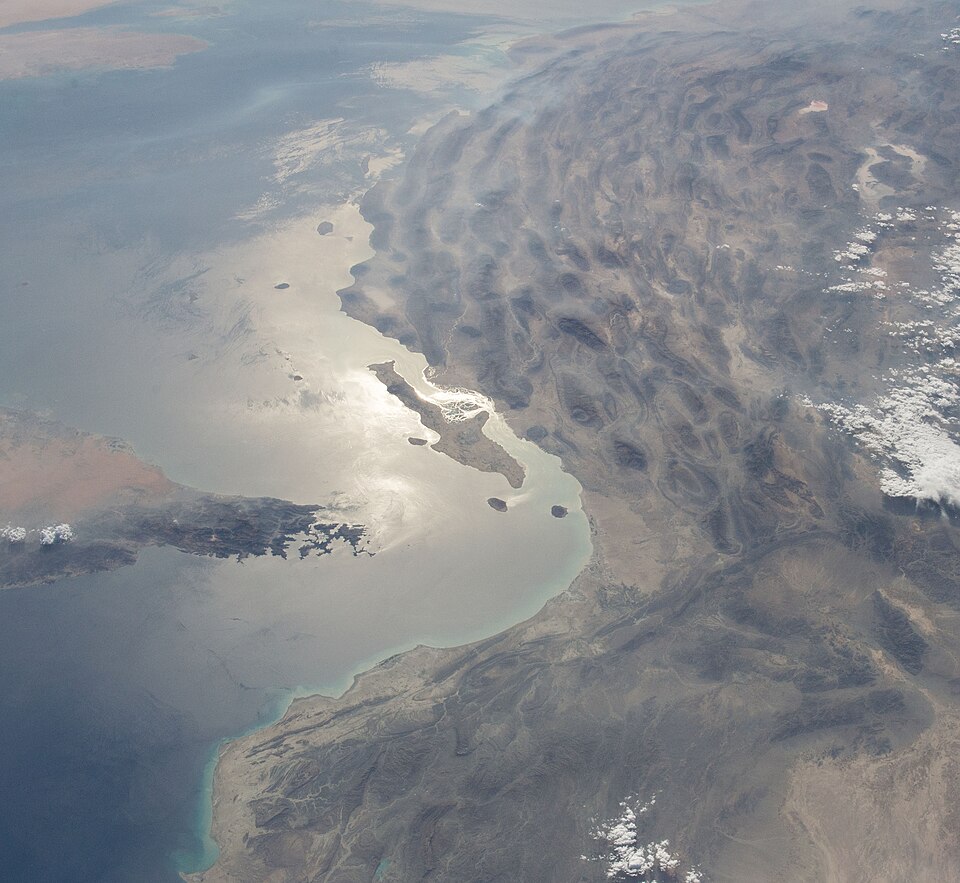
The Strait of Hormuz has been effectively shut to container traffic since 28 February 2026. South Korea's customs service put the average cost of shipping a 40-foot container from Korea to West Asia at 8.83 million won in August, about $6,544. That is up 1.7% on July. Four weeks later Maersk put as much as $4,800 of emergency charges on a single box moving into the same region, which is most of the published average again.
The same 8.83 million won is up 133.7% on August last year. That is the steepest year-on-year rise of the seven export lanes the service tracks, and the sixth consecutive monthly increase. The figure was published on 15 September. It covers freight, commissions and other charges as declared by Korean exporters themselves, on cargo that actually shipped.
Read the rest of the table and West Asia was the quiet lane. The US East Coast rose 24.8% in the same month, to 9.97 million won. The US West Coast rose 0.5%. The European Union fell 9.4% and China fell 22.4%. The headline story for August, on the Korean data, was the US East Coast. West Asia extended its run of monthly rises by another 1.7%.
The three lines on a Gulf quote, and who owns each one
Nothing about the Gulf itself was quiet in August. Jebel Ali in the United Arab Emirates, the region's largest container port, handled 374,000 TEU in the second quarter. That is down about 90% year on year, at a port that normally works more than 80 scheduled services a week. DP World is spending roughly $100 million a month keeping the terminal able to restart inside 48 hours.
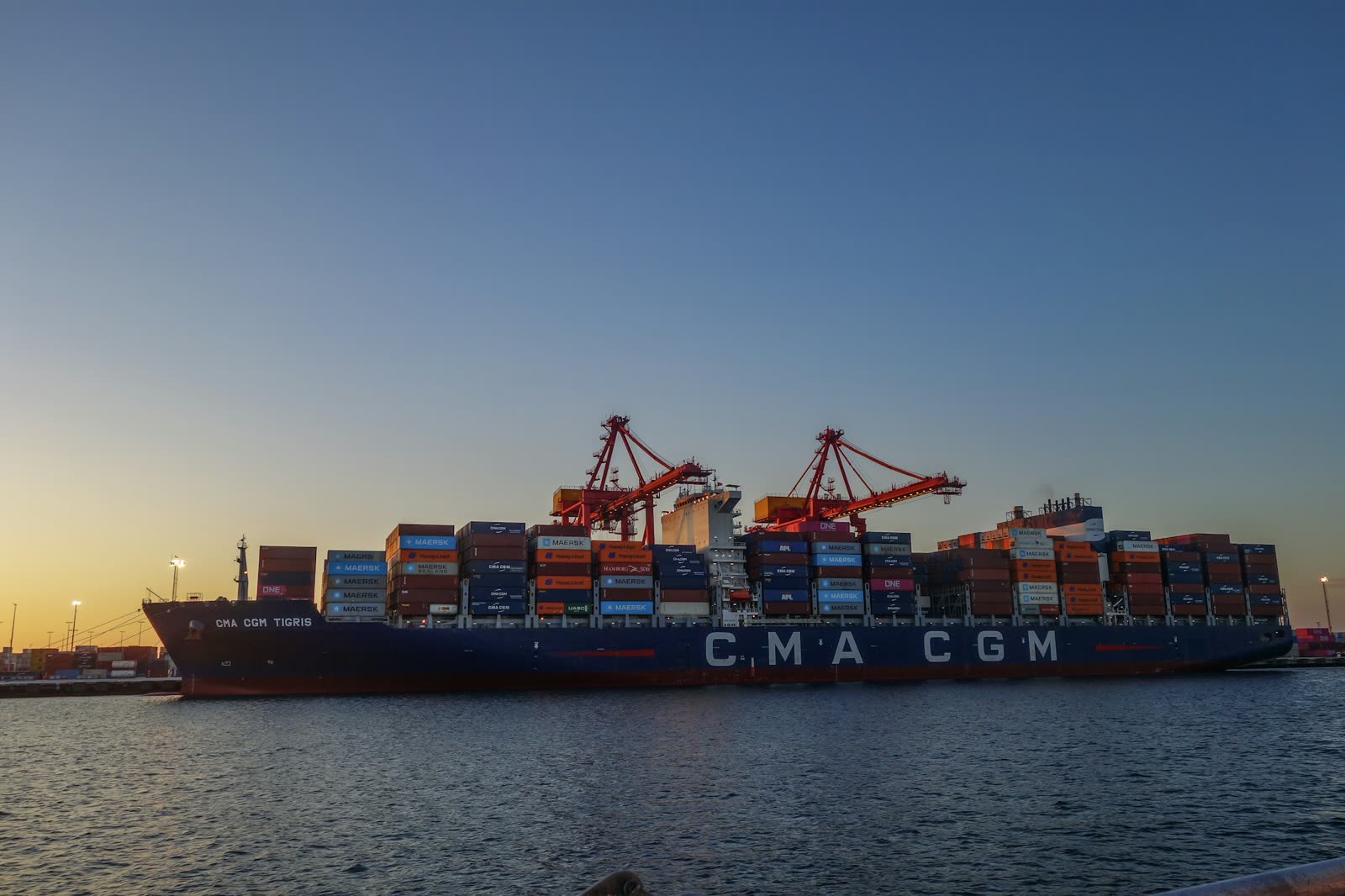
On 11 September Maersk applied an emergency freight rate to cargo loading from or bound for Iraq, Kuwait, Bahrain, Qatar, the UAE, Dammam and Jubail in Saudi Arabia, and Oman excluding Salalah. The rate is $1,800 per 20-foot dry container and $3,000 per 40-foot dry. Reefer, special and dangerous goods pay $3,800. Any vessel that actually transits Hormuz adds $1,000 per container on top, which takes some boxes to $4,800 in event charges.
Three of the four lines an operator expects are visible in that, and they do not come from the same desk.
Base rate. Owned by trade management and the pricing desk. On regulated trades it sits in a filed tariff with a notice period. On everything else it moves when the lane moves. This is the only line a commercial argument can actually win.
War risk. Not a commercial decision at all. The hull war premium is quoted by the underwriter against the listed areas of the Joint War Committee at the Lloyd's Market Association in London. Those areas were rewritten twice this year. Circular JWLA-033 of 3 March added Bahrain, Djibouti, Kuwait, Oman and Qatar. JWLA-034 of 29 July amended Saudi Arabia and the Persian/Arabian Gulf boundary, and deleted Pakistan. Reported additional premiums have run from roughly 0.25% of hull value before the war to 7.5% to 10% at the July peak.
The crew half of the same line is fixed somewhere else again. The International Transport Workers' Federation and the Joint Negotiating Group designated Hormuz a high risk area on 2 March and a warlike operations area on 5 March. Seafarers on ships covered by the International Bargaining Forum agreement are then owed a bonus of 100% of basic wage for a minimum of five days, and for each further day in the area. Death and disability cover doubles. Crew may refuse the voyage, with repatriation at the company's cost plus two months' basic wage. The designation is reviewed weekly. Marine risk and crewing sign this line off, and the insurer and the union set the number.
Routing. Owned by network and operations. Maersk's own wording is that the emergency freight rate covers alternative routing to final destination, including potential storage and additional charters. In practice upper Gulf cargo moves via Salalah in Oman and Khor Fakkan in the UAE, then overland to Sharjah and onto the feeder network. Saudi cargo goes through Jeddah. Semafor reports turnaround on that east coast routing at about 12 hours, against 27 minutes at Jebel Ali, and the overland leg costing four to five times a Hormuz transit.
The fourth line, equipment imbalance, is not published separately on this lane and I am not going to pretend it is. With most upper Gulf dry bookings suspended, the repositioning cost is real, but carriers have folded it into the routing charge rather than naming it. If a separate equipment line appears later, that is a sign the disruption is being treated as the new normal rather than an event.
Why the customs average trails all of that
Three clocks feed that one invoice. The insurance and crew lines can change inside a week on a committee circular. The routing charge changes when the network changes. The base rate changes at contract renewal. None of those is the clock the customs figure runs on.
The Korean number is a declared cost on cargo that shipped. That makes it an achieved average, which is the honest measure the trade press usually cannot get, and it is why the year-on-year 133.7% is the figure I would quote. It also makes it structurally late in three separate ways.
It is late by publication. August data appeared on 15 September, so Maersk's 11 September charges cannot reach it until the mid-October release at the earliest.
It is late by contract. A service contract pays only what it says is applicable. An emergency charge announced in September bites spot cargo immediately and contract cargo at renewal or on the specific clause. The blended average moves slowly by design.
It is late by composition, and this is the one that catches planners out. When dry cargo bookings to most UAE, Iraqi and Saudi ports are suspended, the cargo that still ships is not a sample of the cargo that wanted to. South Korea's HMM stopped Arabian Gulf, Red Sea and East African bookings in March and put $1,000 per container on cargo already in transit. Take the expensive, awkward, upper Gulf boxes out of the denominator and the surviving average can look almost stable while nobody can get a booking at all. A near-flat month on a lane with a booking stop on it carries no price signal.
What to check on a Gulf invoice before the next release
If your rate benchmarking, your accrual model or your customer reporting is keyed to a national statistical average, you are describing a lane that has already moved. Four things have to be true on anything you are quoting, budgeting or disputing on the Gulf right now.
- The surcharge has to be named on the booking, not inferred. Emergency freight rate, Hormuz transit fee and any operational cost recovery are separate lines with separate triggers, and one of them only applies if the ship actually transits.
- The unit has to match the exposure. $1,800 per 20-foot and $3,000 per 40-foot is not a per-TEU charge, and a shipper moving 20-foot heavies pays more per TEU than the headline suggests.
- Regulated trades need the notice. Maersk has scheduled at least one Gulf cost recovery later for regulated countries than for the rest.
- The crew bonus has to be in the manning accrual, not discovered at payroll. A minimum five days at 100% of basic wage on every entry, plus the right of refusal, lands on crewing and relief planning before it lands on cost.
Berth planning barely features in any of that. There is no berth window fight at Jebel Ali when the port is at a tenth of its throughput. The constraint has moved to feeder slot allocation out of Salalah and Khor Fakkan, and to trucking capacity on the landbridge, which is a different planning system and usually a less instrumented one.
The mid-October release, and the two documents behind it
The mid-October Korean release is the first month that will contain the 11 September charges. If West Asia jumps then while Hormuz stays shut, that confirms the customs average as a roughly one-month-lagged achieved rate, and makes it usable as a settlement benchmark. If it stays near flat, the booking stops are still hollowing out the sample, and the series should not be used on this lane at all.
After that, watch two documents. The next Joint War Committee circular resets the insurance line without any carrier announcing anything. And the warlike operations area review matters because the day Hormuz comes off that list is the day the $1,000 transit fee loses its stated justification. Event charges are meant to disappear. Whether this one does is the test.
Primary sources
- Joint ITF-JNG Statement: Warlike Operations Area in Strait of Hormuz continues under weekly review ITF / Joint Negotiating Group, 2026-06-30