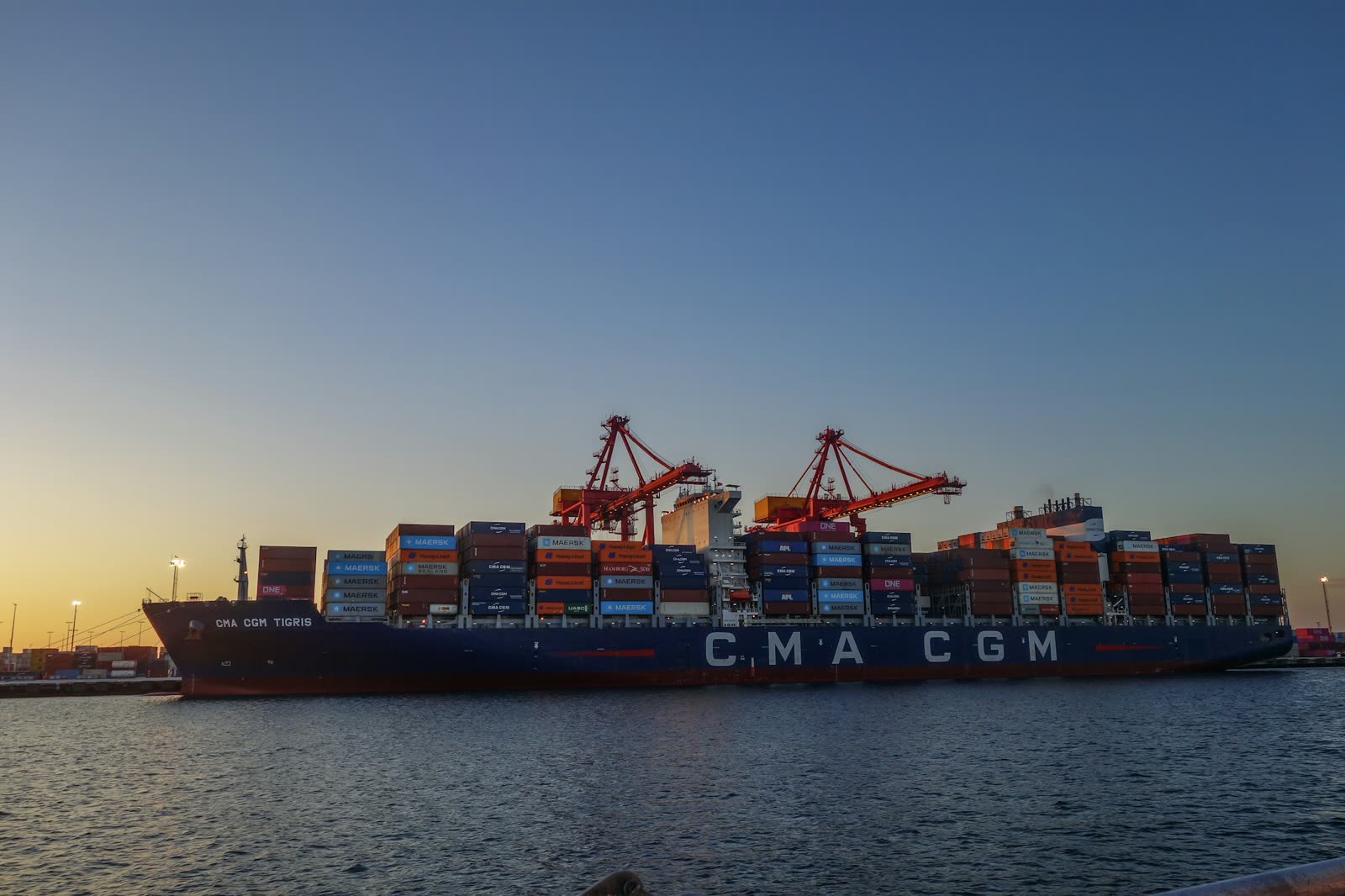
Maersk and Hapag-Lloyd move back to Suez one loop at a time
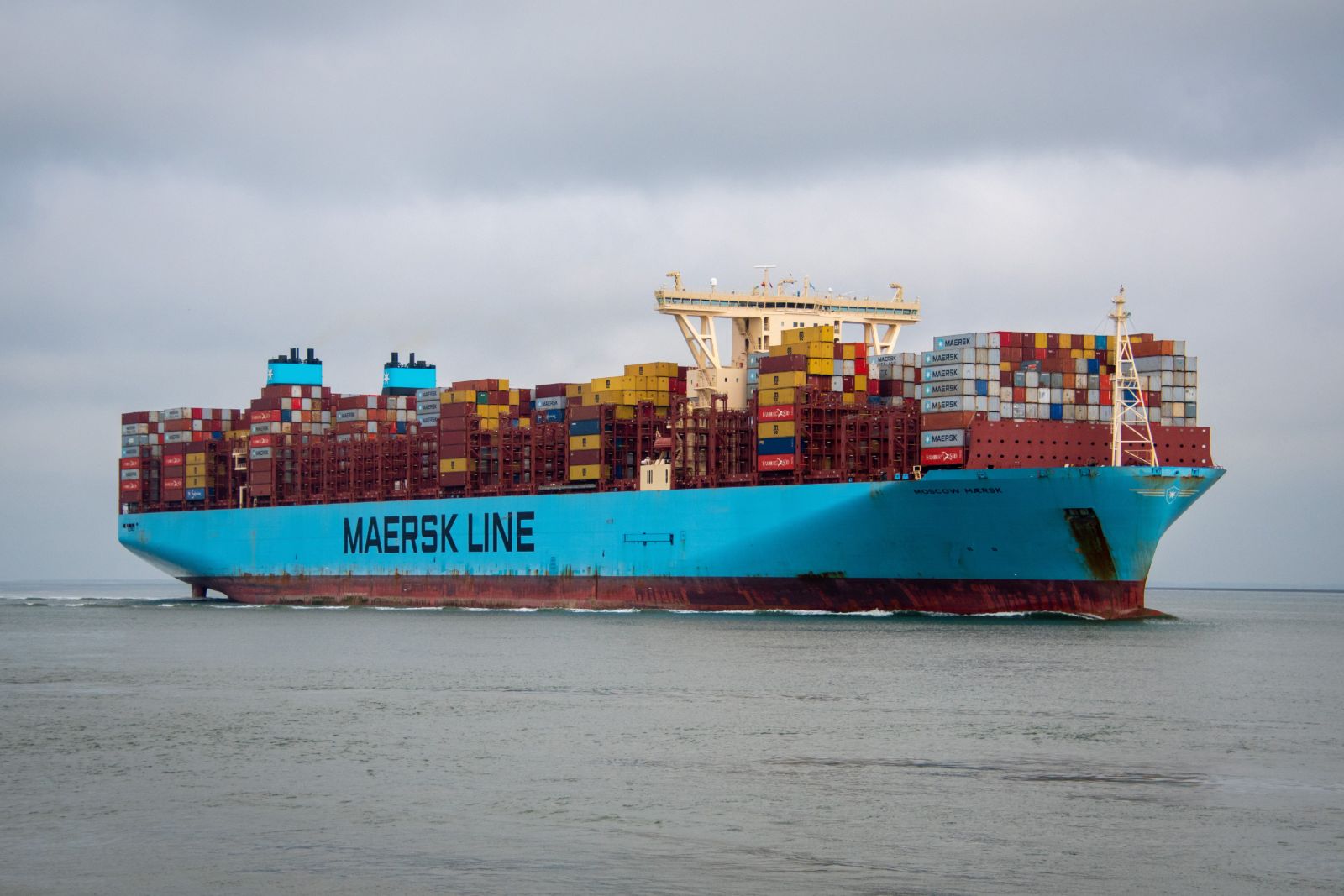
Every loop still on the Cape has a switch to come. Which ones have a dated first transit?
Why each service switch puts a Cape ship and a Suez ship into the same European berth week, and how the carriers keep that overlap small.
Maersk told Egypt's Suez Canal Authority it hopes to have all its services back through the canal by March 2027. Each service switches on its own, because the first ship on the shorter route catches up with ships still sailing round Africa. Spacing the switches spreads those double arrivals out, for as long as the Red Sea stays calm.
Maersk has told Egypt's Suez Canal Authority it hopes to have all its services back through the canal by March 2027, as long as the Red Sea stays stable. Several loops of the Gemini Cooperation, its partnership with Hapag-Lloyd, have already switched. The rest still sail round the Cape of Good Hope, and each one has to move on its own.
The reason is in the distances. Sea-Intelligence puts the Suez saving at roughly 14 days against the Cape. So the first Suez sailing on a loop leaves Asia after the last Cape ships and catches up with them. For about two weeks, that service lands two ships a week in Europe instead of one.
Sea-Intelligence modelled every carrier switching at once. Arrivals from Asia doubled for two weeks. European port workload ran 39% above the March 2025 record, and that record already meant congestion. Spread over eight weeks, the excess fell to about 10%. That is why the carriers are moving one loop at a time.
Spacing keeps the total down. Each switch still puts its own overlap on one terminal. A European terminal holds a weekly mainline service in a fixed berth window. In an overlap week, a second ship from the same service wants that window. It gets another berth or waits at anchor, and the yard takes two ships of imports in one week.
So who pays for that week? The carrier has three choices. It can let the ships arrive together and pay in waiting time. It can blank a Cape sailing in Asia before the switch, which moves the gap to origin. Or it can slow the first Suez ships into the old slot and give up the saving on those voyages.
The overlap reaches the cargo too. Boxes that left Asia two weeks apart now land in the same week. Free time, haulage and warehouse slots planned off the old pro-forma will be wrong for them. In the planning systems, each service in the changeover carries two pro-formas at once, cut over at a voyage number. A tool that quotes transit time from the pro-forma instead of the voyage schedule will be wrong on exactly those voyages.
So the thing to watch on each loop still on the Cape is a dated first transit with a vessel name. AE12 shows why. Reports in late September gave it a Suez start of 27 October. On 21 October, EnterpriseAM reported that Maersk had not yet dated its first transit. Until a loop has that date, its Suez rotation exists only on paper.
Primary sources
- Sea-Intelligence: Impact of a potential Red Sea re-opening Sea-Intelligence (via World Ports Organization), 2025-10-23