Saudi Aramco and Abu Dhabi's ADNOC sell crude delivered to Asia
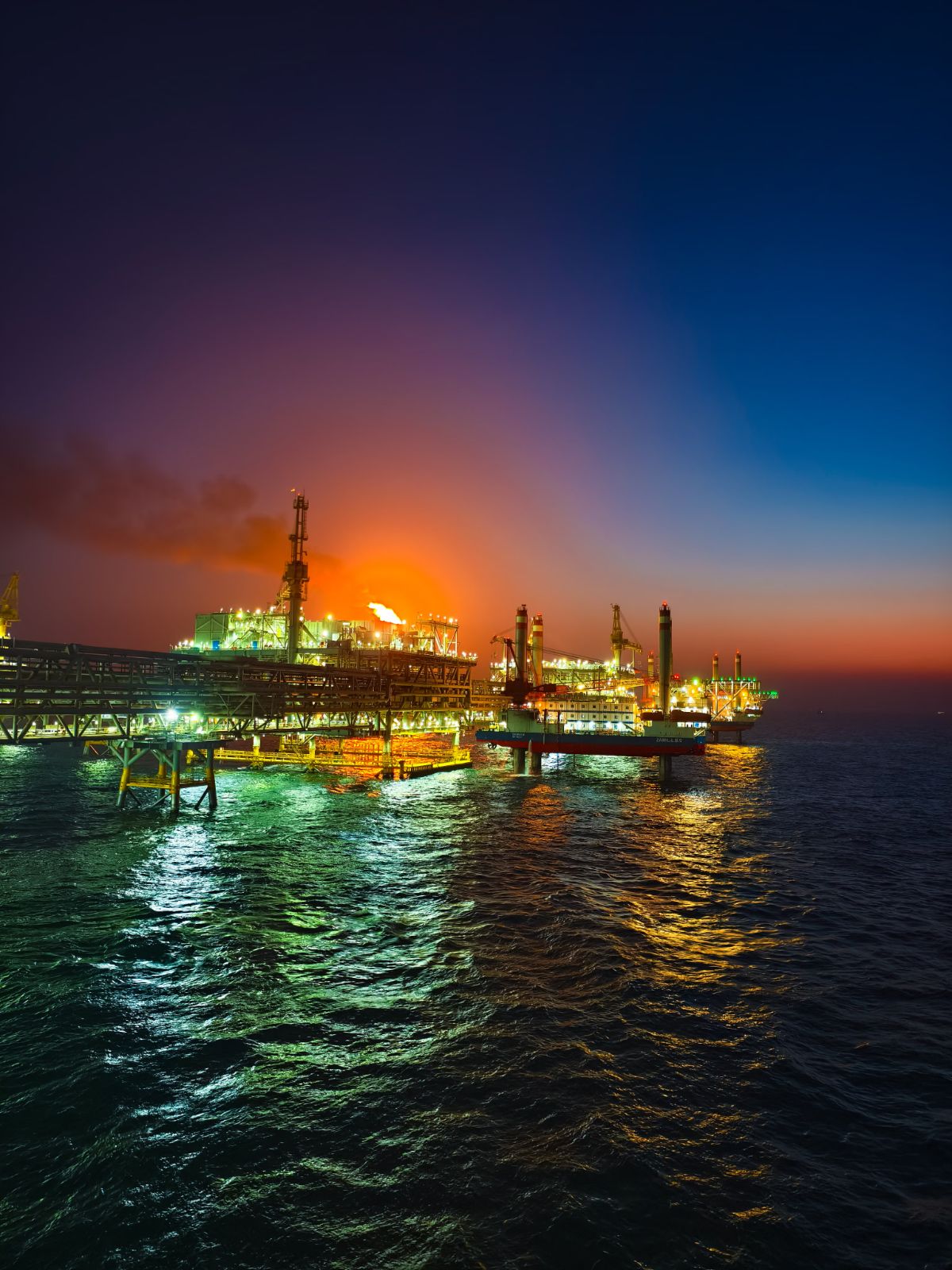
Who pays for ten days at anchor off Oman now?
When a Gulf producer sells crude delivered, it charters the tanker, and the contract term decides how much of the Hormuz risk goes with the ship.
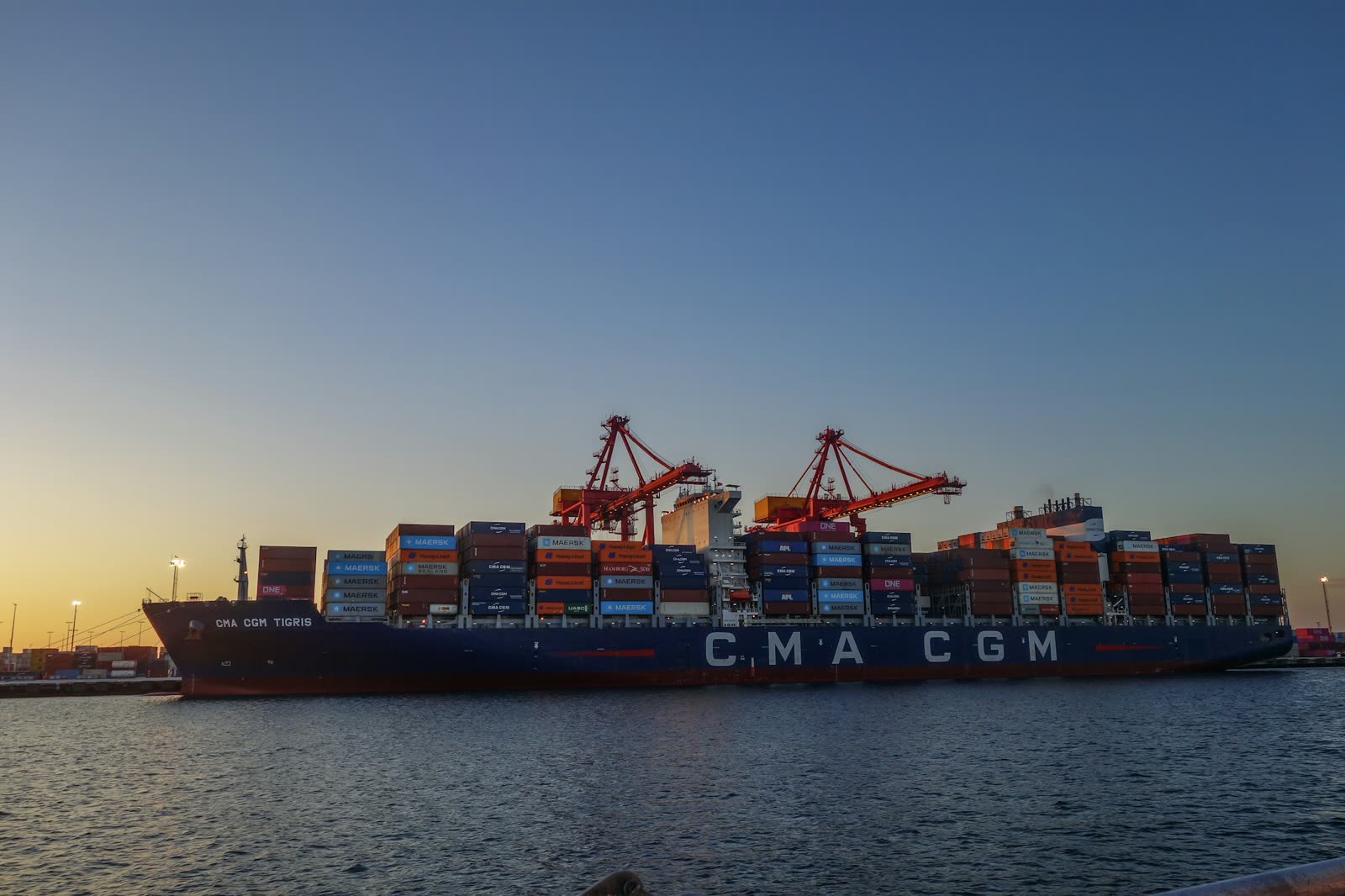
Gulf producers are using so many supertankers to move crude past the Strait of Hormuz that Asian refiners are switching to smaller tankers and buying Gulf crude delivered. On a delivered cargo the producer books the ship and carries the rate risk. The refiner still pays freight in the price, and the contract decides who owns the cargo at sea.
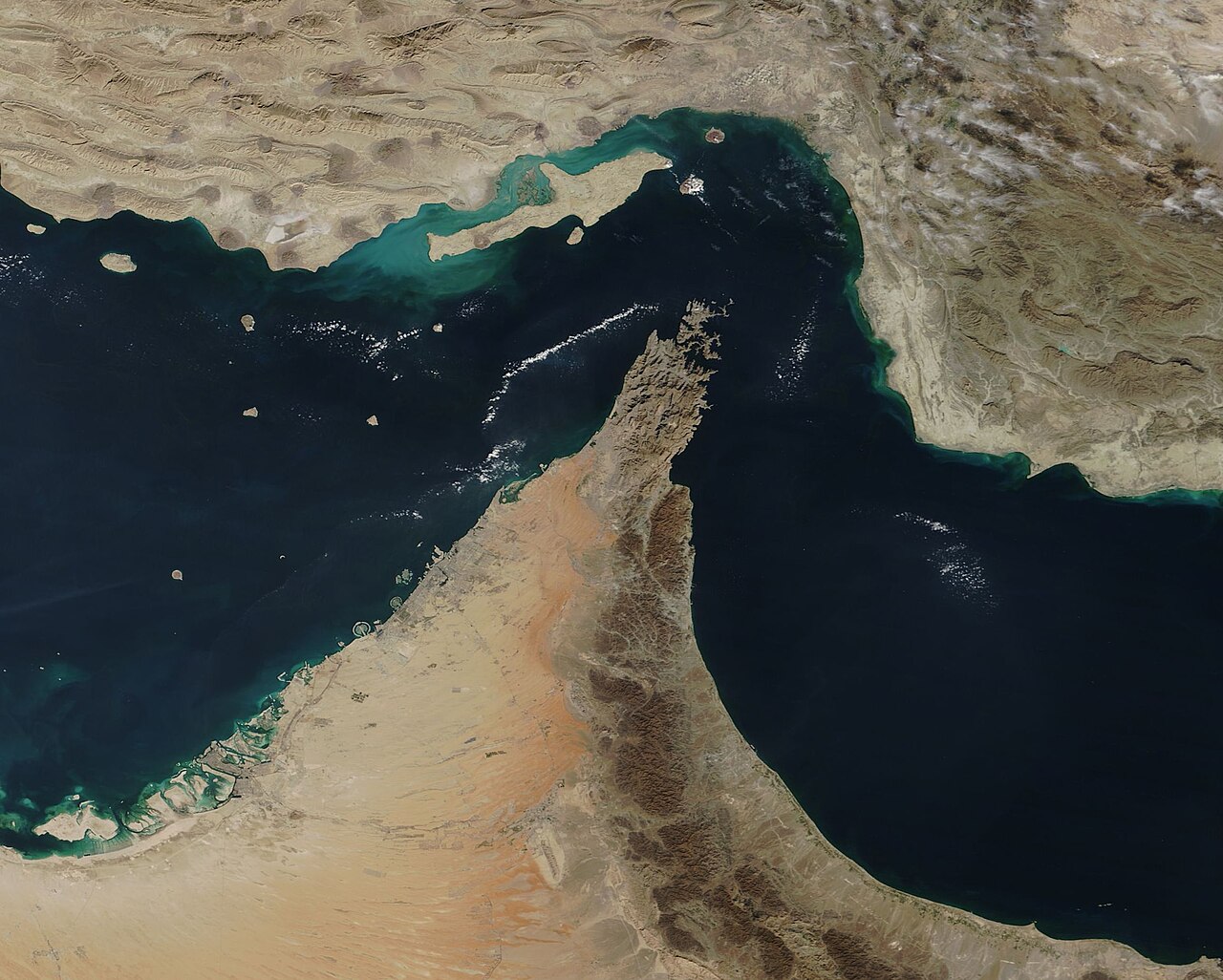
Saudi Aramco and Abu Dhabi National Oil Co (ADNOC) have sold crude to Asian refiners on a delivered basis, Reuters reported on 20 October. ADNOC's cargoes go to China and India over the next two months. Aramco's are for November. The reason is the ship. By Vitol's count, Gulf producers have tied up about 80 very large crude carriers (VLCCs, about 2 million barrels each) in a shuttle out through the Strait of Hormuz, and freight has gone to record levels.
On a delivered cargo the seller books the tanker. The refiner still pays for it.
Before the US-Israeli war on Iran, most Gulf crude other than Iran's was sold free on board (FOB) at the load port and lifted in the buyers' own ships. On an FOB cargo the refiner's chartering desk fixes the ship. It owes the owner demurrage while she waits, then recovers what it can from the seller. In the shuttle, a ship-to-ship transfer in the Gulf of Oman now takes nearly ten days, against five to seven before. Ten days in a queue off Sohar in Oman at near-record hire would land on the buyer first. On a delivered cargo it moves to the seller. Anyone who has run a liner desk knows the pattern: whoever books the freight controls the space and carries the rate.
The refiner still pays the freight, because it sits inside the delivered price. Traders told Reuters the producers are absorbing the shipping cost. You can test that. Compare the delivered price with the FOB official selling price plus market freight.
The rate is one risk. The cargo is another. Windward, a maritime analytics firm, counted 45 ships targeted by Iran in the third quarter, and 93% of the strikes were inside the Strait.
So who owns the oil if a tanker is hit there? That depends on the term. Under cost and freight (CFR), the seller pays the freight, but the risk passes to the buyer once the oil is loaded. Under delivered at place (DAP), the seller keeps the risk until the cargo reaches the buyer at destination. In January 2025, Indian refiners asked ADNOC for delivered pricing and named DAP as the model. In June, ADNOC was offering CFR. Which term the October cargoes carry is unconfirmed.
So far these are spot and next-month sales. ADNOC sets its official selling prices on an FOB basis. In January 2025, traders said it had rarely, if ever, sold term supplies to Asian buyers delivered. The thing to watch is delivered pricing in the 2027 term contracts. If it shows up there, the chartering moves from Asian refiners to Gulf producers for the length of the contract, and the rate risk moves with it.