Asia schedule reliability falls to 32% in August
Weekly services a week delayed
What an average late arrival of more than seven days does to a weekly service, a berth window and the schedule sitting in the booking system.
Only about a third of container ship arrivals in Asia were on time in August, Sea-Intelligence says, and the late ones averaged a week behind. On a weekly service that puts each ship in the next one's slot, so ships arrive in pairs and berths jam further. Recovery now depends on carriers cancelling sailings after Golden Week.
Container ship schedule reliability in Asia fell to 32.3% in August, according to Sea-Intelligence, the Danish analyst whose monthly count is the industry's reference. Roughly two in three arrivals in the region missed the schedule the carrier had published. The ships that were late averaged 7.28 days behind. Worldwide the figure was 49.9%, the lowest since September 2022.
The week is what matters. Almost every liner service calls weekly, so a ship seven days late arrives in the slot of the ship behind it. Until carriers pull those pairs apart, the network cannot recover.
The global number comes from Sea-Intelligence's Global Liner Performance report, issue 181, published on 29 September. The report covers 34 trade lanes and more than 60 carriers. Reliability fell 5.9 percentage points in a month, after a 6.1 point drop in July. None of the top 13 carriers improved.
The Asia figure came a day later in a separate release, which gives the two headline numbers. Sea-Intelligence counts an arrival as on time when it lands within one calendar day of schedule.
The typhoons at Shanghai and Ningbo
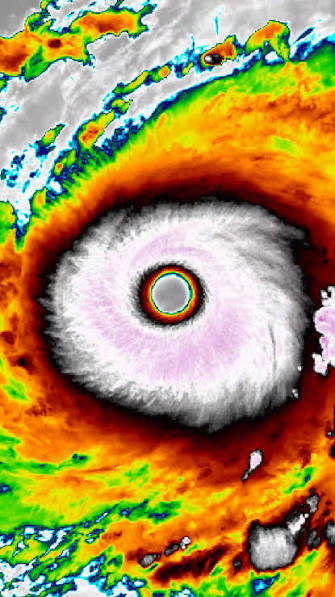
Sea-Intelligence names the cause directly: "a continuing stream of typhoons impacting major ports in Asia". Typhoon Bavi hit Shanghai and Ningbo in July. Typhoon Saudel followed in late August.
Shanghai's on-time figure was already down to 21.0% in July. For August, Lloyd's List reported Shanghai and Ningbo at 12% to 17%. Late arrivals there were eight to nine days behind. WorldCargo News reported waits of seven to eleven days at Shanghai's Yangshan terminals in late August for ships outside the Gemini alliance network.
A typhoon closes a port for days. The ships were more than a week late. The gap between those two numbers is the queue, and the queue has its own mechanics.
What a seven-day delay does to a weekly service
A liner service is built on a fixed-day weekly call. A ship running seven days late therefore arrives on the day the next ship in the string is due. To the shipper that looks like two sailings in one week after a week with none.
Sea-Intelligence has counted it. Its analysis of 23 September looked at the two weeks around Golden Week, China's national holiday from 1 to 7 October. It found 12 double sailings scheduled on Asia to North Europe. Capacity offered in the holiday week itself was up 63% on last year.
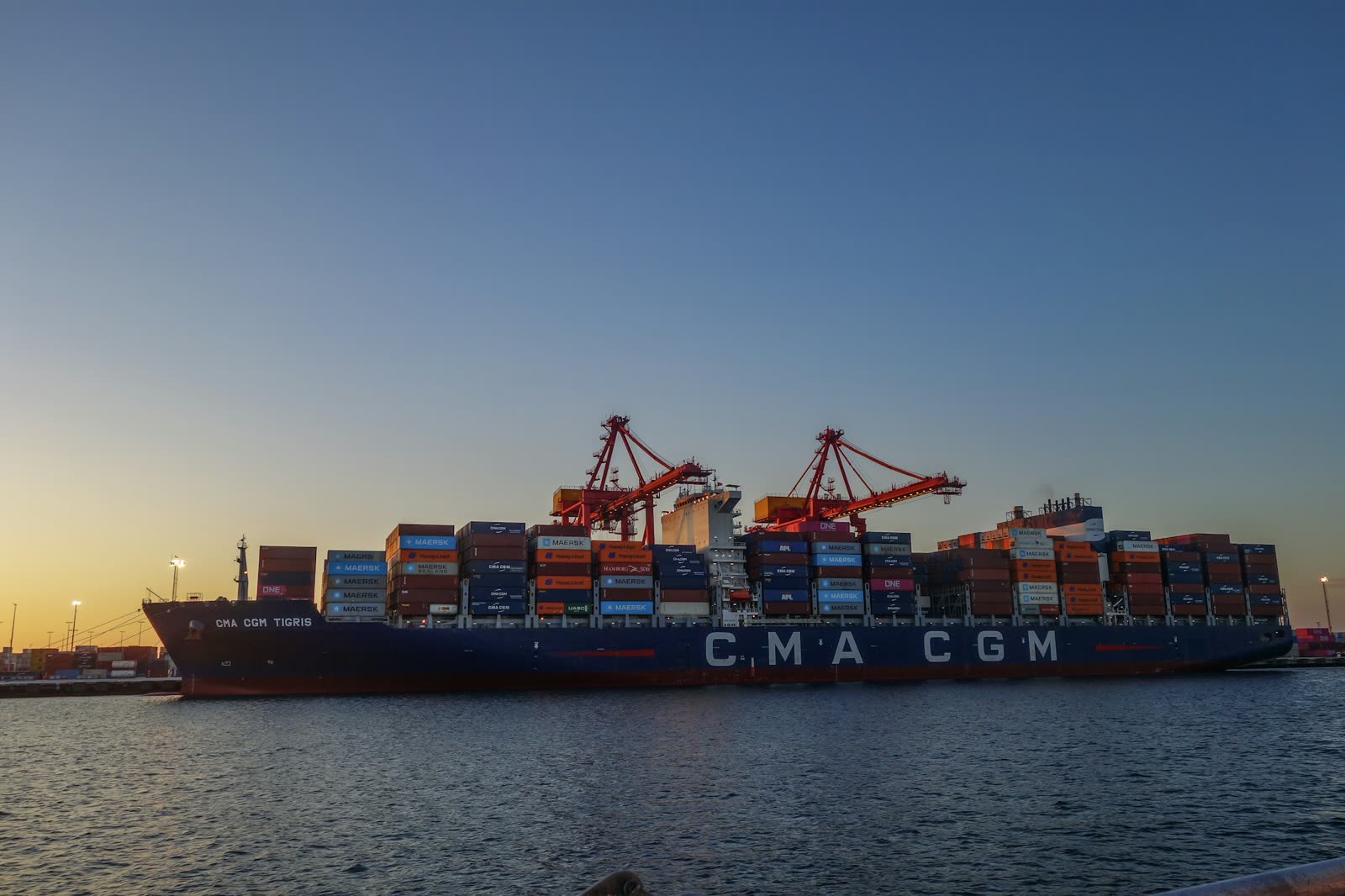
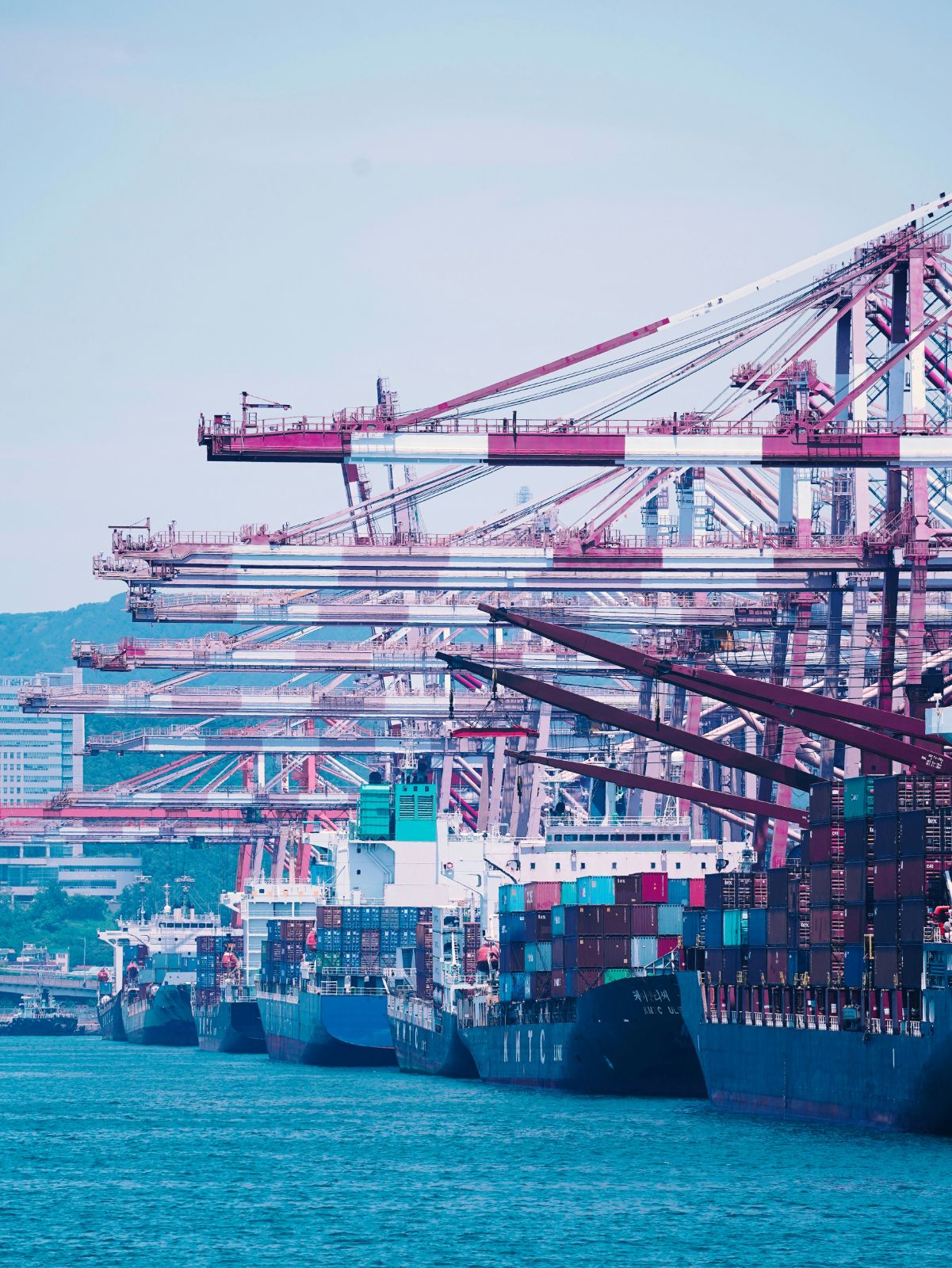
The terminal takes the same hit from the other side. A berth window is a reserved slot on a fixed day. A ship a week late has lost its window and berths when the line-up allows. When two ships of one service arrive together, the terminal needs a second berth, a second set of cranes and yard space for two export loads. It planned for one.
So bunching that started as a result of congestion becomes a cause of it. Reliability keeps falling after the weather has cleared.
The carrier table shows how unevenly that has landed. Maersk led at 67.3% and Hapag-Lloyd followed at 61.5%. Wan Hai was last at 23.2%.
The alliance table shows how much network design matters here. For July and August, Gemini scored 77.8% and MSC 70.1%. Ocean Alliance scored 48.3% and Premier Alliance 43.2%. The alliance measure is built on a different base from the carrier table, so the two should not be set side by side.
Gemini's mainline strings make fewer direct calls and feed the rest through hubs. Fewer calls means fewer windows to lose. WorldCargo News also reported Gemini ships over 366 metres waiting five to seven days at Yangshan while others waited seven to eleven.
The sailings after Golden Week
Alan Murphy, Sea-Intelligence's chief executive, told shippers to treat mid-to-late October schedules as "highly volatile placeholders".
On a schedule desk that has a direct cost. Cut-offs, transhipment connections and equipment plans are calculated from an ETA. With two in three arrivals off the published one, those dates have to come from the working schedule. A planning tool that still reads the long-term schedule will set a cut-off for a ship that is not coming that day.
The ways back are the usual ones: omit a port, turn the ship short, or blank a sailing so the string slides back into position. Maersk and Hapag-Lloyd were already omitting calls on named ships in late August.
What decides the recovery is whether carriers take the bunched sailings out. Factories are shut for the holiday, so the cargo for a double sailing in late October will be thin. A carrier that blanks one of the pair resets its string. A carrier that runs both keeps the bunching for another round trip. Sea-Intelligence expects last-minute cancellations through late October.
Even then the clock is tight. The delays hold ships out of use. Sea-Intelligence estimates 8.5% of the global fleet, about 3 million TEU, is tied up this way. The 2011 to 2019 average was 2.2%.
Sea-Intelligence puts the recovery at 0.5 to 0.6 percentage points of fleet a month. That is seven to ten months to get back to the level of June 2025. Chinese New Year falls on 6 February 2027, so the pre-holiday rush will meet ports that are only partly cleared.
I would watch three numbers. The first is the count of blank sailings announced for the second half of October. The second is Shanghai and Ningbo in the September report. The third is the average delay for late arrivals in Asia. Once it drops under seven days, a late ship is back inside its own week, and the pairs start to separate.
Primary sources
- officialAugust 2026 Reliability in Asia at 32.3% Sea-Intelligence, 2026-09-30
- officialGlobal Schedule Reliability Continues to Plummet in August Sea-Intelligence, 2026-09-29
- officialGolden Week Capacity Distortions Sea-Intelligence, 2026-09-23