Singapore's LNG terminal joins CMA CGM bio-methane study
Will a bio-methane stem bought in Singapore count under FuelEU?
Bio-methane changes nothing on the ship or the bunker vessel, which leaves the certificate, and where it is accepted, as the part this agreement has to settle.
Singapore's port authority, CMA CGM and the Singapore LNG terminal will study bio-methane as a ship fuel. It is the same molecule as LNG, so CMA CGM's dual-fuel ships and Singapore's bunker vessels can handle it today. Its value depends on whether regulators, mainly the EU, accept a certificate for fuel blended in shared tanks.
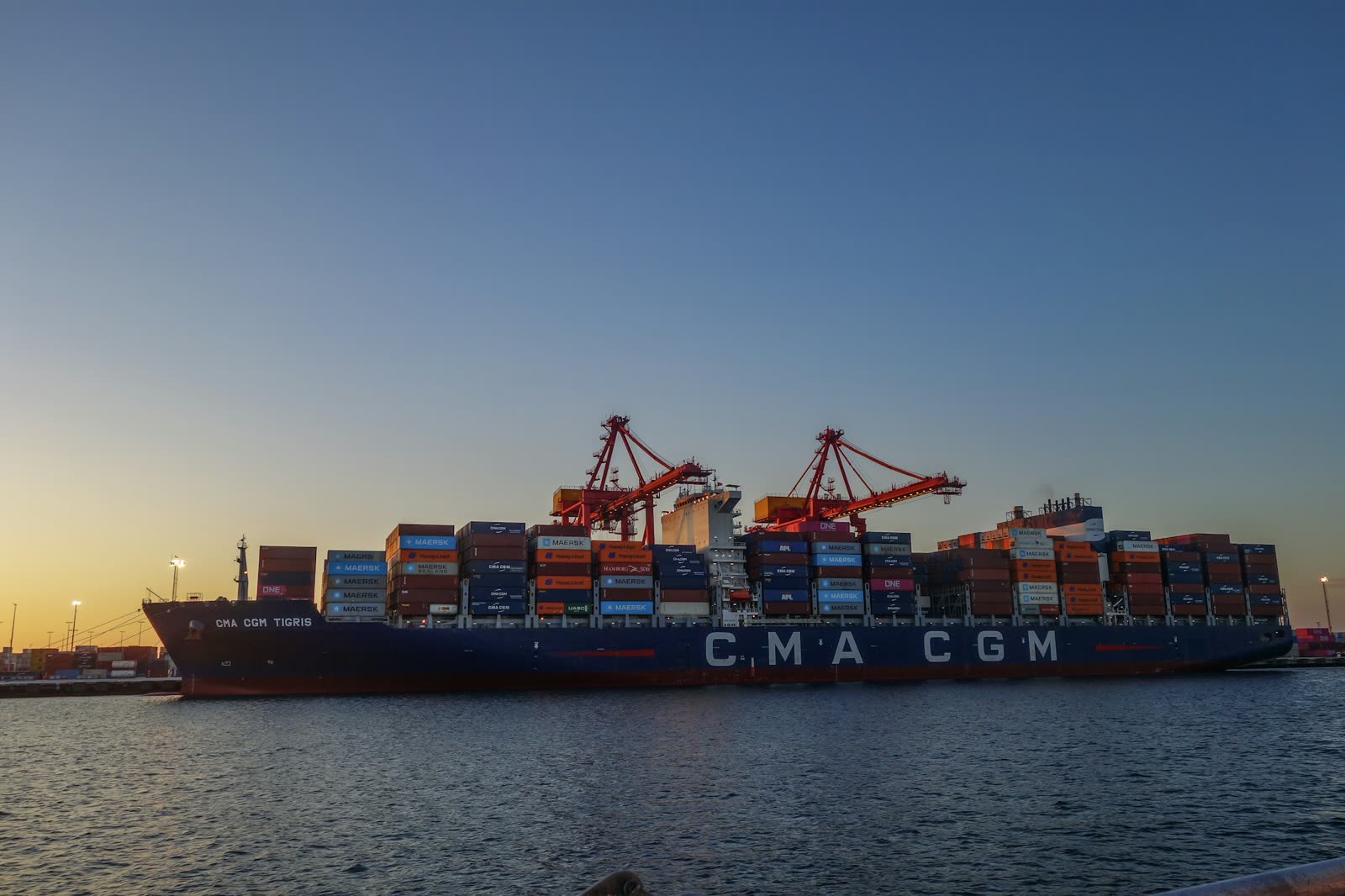
Singapore's Maritime and Port Authority (MPA), CMA CGM and Singapore LNG Corporation (SLNG) signed a memorandum of understanding on 14 October to study liquefied bio-methane as a bunker fuel. SLNG runs the country's LNG import terminal on Jurong Island. Pilots and trials are planned, but the parties named no volume, no date and no vessel. One clause carries the weight. It covers how the fuel's emissions savings are credited when it is blended with fossil LNG in shared tanks.
On the ship and the bunker vessel, nothing changes. Bio-methane is methane. It goes into the same tanks and burns in the same engines, and CMA CGM expects to operate 81 LNG dual-fuel vessels by the end of this year. Under mass balance, the bio-methane a ship buys in Singapore will physically be whatever LNG is in SLNG's tanks that day. It loads onto the same bunker vessel and comes alongside in the same window as a fossil stem. To the chief engineer, the bunker desk and the terminal planner, the two deliveries look the same.
One document tells them apart. A bio-methane stem comes with a Proof of Sustainability under ISCC EU, a certification scheme recognised under EU renewable fuel rules. That certificate has to be matched to a quantity, a bunker delivery note and a voyage. For now, that matching lands on the carrier's emissions reporting team.
So what is the certificate worth? It is worth what it takes off the carrier's emissions account. For a ship trading to Europe, that account sits under FuelEU Maritime and the EU emissions trading system (ETS). In 2024 the European Commission said it intended to treat bio-methane mass-balanced through non-EU gas grids differently. Such fuel would be excluded from automatic certification in its Union Database. SEA-LNG, the LNG-fuel industry coalition, and the Methanol Institute then warned that such fuel bunkered outside Europe might not count under FuelEU or be zero-rated under the ETS.
Singapore's first supply is exactly that kind of fuel. Days before the agreement, Shell imported what it calls the first mass-balanced liquefied bio-methane into Singapore. The gas came from the United States. It was mass-balanced by pipeline to a liquefaction plant and is now stored at SLNG's terminal. The memorandum's crediting clause puts the Commission's question to the regulators again, this time from Asia.
Watch for the first bio-methane stem under this agreement, with the ship named, the tonnage stated and the trade it serves. If that ship runs to Europe and its certificate is accepted for FuelEU, Singapore has a working product. If the pilot stops at one stem with nothing said about crediting, it stays a certification exercise.
Primary sources
- officialMPA, CMA CGM and SLNG Sign Memorandum of Understanding to Advance Liquefied Bio-Methane as Marine Fuel Pathway Maritime and Port Authority of Singapore, 2026-10-14
- officialSingapore Strengthens Multi-Fuel Bunkering Capabilities and Digitalisation at SIBCON 2026 Maritime and Port Authority of Singapore, 2026-10-13
- officialSingapore Awards New LNG Bunkering Licences to Strengthen Singapore's Multi-Fuel Bunkering Hub Maritime and Port Authority of Singapore, 2026-07-30
- officialRotterdam-Singapore Green and Digital Shipping Corridor Conducts End-to-End Sustainability Certification Pilot for Liquefied Bio-methane Bunkering Maritime and Port Authority of Singapore, 2024-11-28
- SEA-LNG and MI urge EU to recognise mass-balancing of accredited non-EU bio-LNG SEA-LNG, 2024-04-17