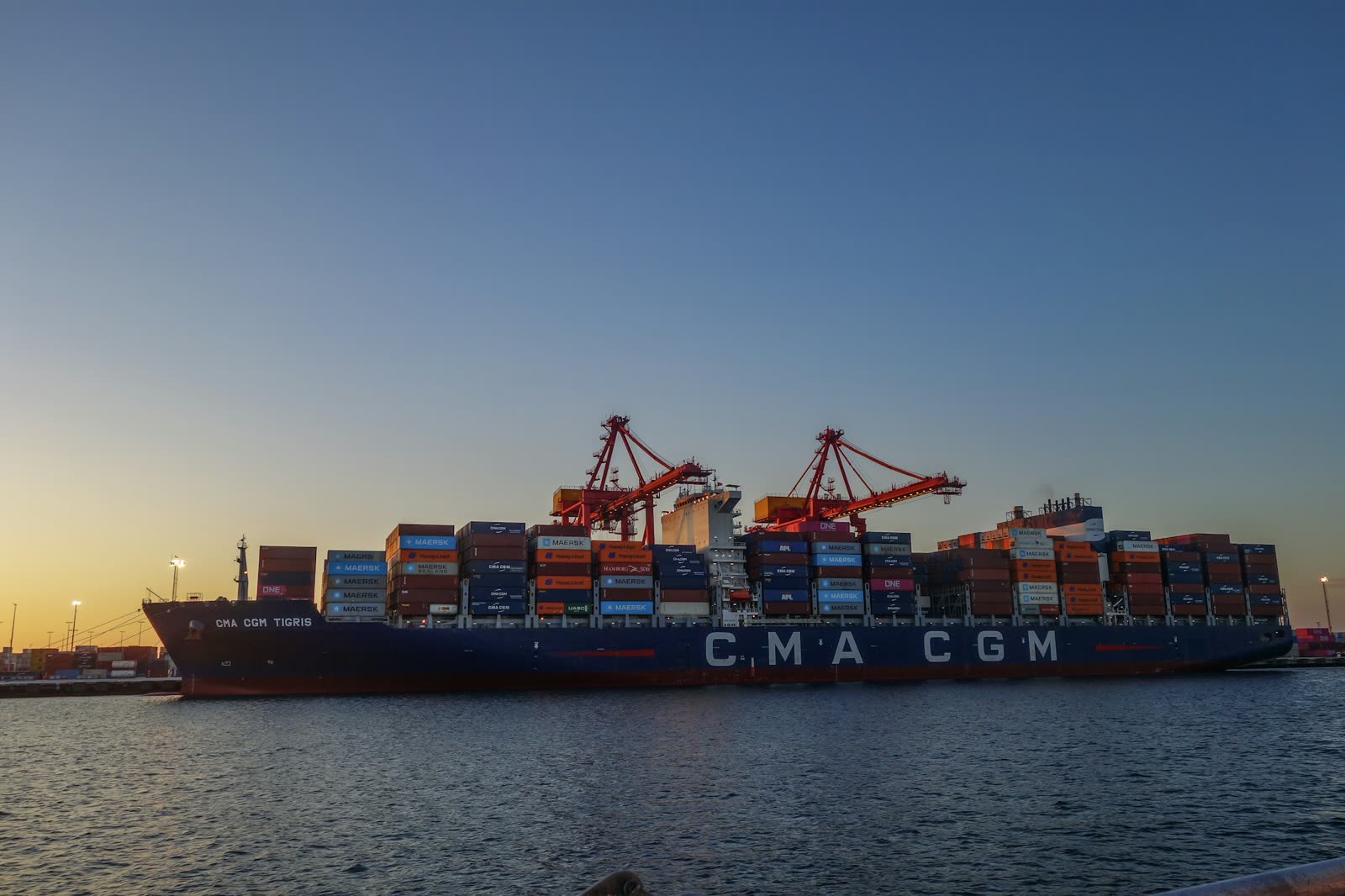
Frontline's $1.22bn half and the 22 dry-dockings it refuses to skip
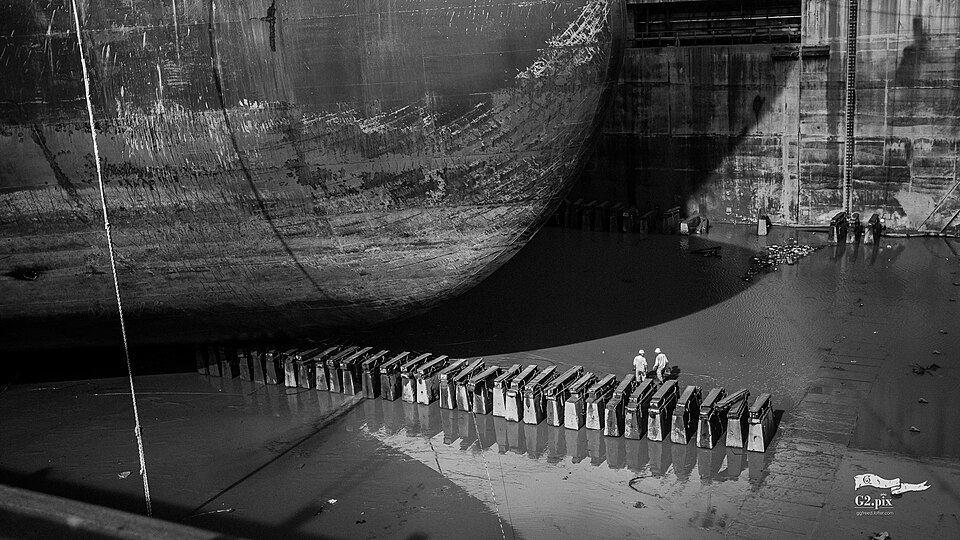
What happens when the class calendar collides with six-figure earnings?
What Frontline's own dock schedule and ship sales show about maintenance when a VLCC is earning $152,700 a day.
Frontline earned $1.22 billion in the first half of 2026 as tanker rates hit records. At those rates, a day in dry dock costs an owner about $129,000 in lost margin. Class rules allow only weeks of slack, so the work still gets done. What moves instead is the ship, and the maintenance bill goes with it.
Frontline, one of the largest listed crude tanker owners, reported a net profit of $1.22 billion for the six months to 30 June 2026. The same six months last year brought $110.8 million. Its VLCCs averaged $152,700 a day on the spot market in the second quarter, with Suezmaxes at $111,500 and LR2s at $92,400.
Circulating alongside that result is a claim that owners earning at these rates are pushing scrubber and ballast water retrofits out of the yard to stay trading. Frontline's own numbers say otherwise. It has 22 dry dockings booked for the next twelve months. What it did instead was sell ships: ten in the half year, for $583.2 million in net cash and $265.6 million of disposal gains, and two more in July.
That deferral claim is seven years old. The article making it is an Arab News page dated 19 October 2019, carrying a Reuters story about owners postponing October and November dockings. The trigger then was US sanctions on Cosco subsidiaries, which sent VLCC charters on the US Gulf to China run to a record $22 million. The deadline behind it was the 1 January 2020 sulphur cap, and the job being put off was a scrubber install needing 30 to 60 days in dock. Both of those conditions are gone. The question underneath them survives, and it is a fair one.
The arithmetic of a dock day
Frontline's published cash breakeven for the next twelve months is $23,800 a day for a VLCC. The ship earned $152,700. Every day it spends at a repair berth therefore costs roughly $129,000 in margin that does not come back.
Set a routine special survey docking of three to four weeks against that.
The owner is giving up something in the order of $2.7 million to $3.6 million. The yard invoice is a small fraction of that.
Anyone who has argued a docking date with a commercial desk knows how that conversation goes when the spot market is printing six figures.
What the class calendar allows
Very little, and that is the part the 2019 parallel misses.
Ballast water first. The phase-in of the D-2 treatment standard was tied to the oil pollution prevention (IOPP) renewal survey, and it ended on 8 September 2024. Every ship in scope was supposed to be compliant by then. There is no retrofit left to postpone. A tanker without a working treatment system in 2026 is a port state control and vetting exposure, which is a different problem on a different clock.
Scrubbers next. With the 2020 deadline behind the fleet, fitting one is a pure fuel-spread calculation with no date attached. An owner who decides the spread does not pay simply does not fit it. Nothing is being deferred there either.
What is left is the survey cycle, and it is rigid. A ship needs two examinations of the outside of the bottom in each five-year class period, the renewal one in dry dock, with a maximum interval of 36 months between them.
An in-water survey can stand in for the intermediate examination. Flag and class policy, though, is to withhold that option from oil tankers of 15 years and over. The three-month extension owners reach for is a force majeure provision rather than a commercial tool.
A genuine deferral wave would need three things at once. A compliance deadline with a fixed date sitting ahead of the fleet. Class willing to move survey dates for commercial reasons. And charterers not looking. None of the three holds in 2026. Oil major vetting picks up an overdue survey or an open condition of class before the ship is ever offered, and at these earnings the last thing an owner wants is a vessel that cannot be fixed to the best cargoes.
Where the maintenance actually goes
So the work gets done. Frontline told its second quarter call it has seven VLCCs, seven Suezmaxes and eight LR2s scheduled for dry dock in the next twelve months, and that the cost already sits inside the breakeven figures above. That is 22 dockings across a fleet of 77 ships, funded and booked.
The pressure went into the sale and purchase market instead. Ten ships left the fleet in the first half. Two more, 2017-built VLCCs, went in July for $270 million, with about $179 million of net proceeds and a $110 million gain. Chief executive Lars Barstad told the call the buyers paid up because they wanted control of their own logistics through the Strait of Hormuz. That is a buyer's reason, not a seller's. On the other side, Frontline is taking nine scrubber-fitted crude carriers from Hemen affiliates for $1.22 billion, three of them delivered by 30 June.
The fleet that results averages 6.6 years old and is 69 percent scrubber-fitted. A young fleet is the one that keeps the in-water survey option open and keeps steel renewal light. None of that maintenance disappeared from the market. It went out of the door attached to twelve hulls, to owners whose survey dates and yard relationships nobody is publishing.
What the next quarterly breakeven will show
Three things, in order of how quickly they would surface.
The breakeven number itself. Frontline republishes it every quarter and it carries drydocking. If dockings slip, that figure moves in public.
Then the age of the tonnage being sold, read against its next special survey date. If the ships leaving consistently sit a year or less from a renewal survey, the survey is doing the selling, whatever the sale narrative says.
Last, repair yard lead times for tanker slots, for which I do not have a reliable 2026 number.
Booking flexibility is what lets an owner plan around a firm class date. When it goes, owners stop choosing the date and start paying for position, and the off-hire begins to cost more than the work.
Primary sources
- officialFRO - Second Quarter and Six Months 2026 Results Frontline plc, 2026-08-28
- Implementing the Ballast Water Management Convention IMO
- Rules for Ships, Pt 1 Ch 3 Sec 5, Special Survey - General, Hull requirements Lloyd's Register (via IMORules)
- Acceptance of in-water survey in lieu of dry-docking Transport Canada