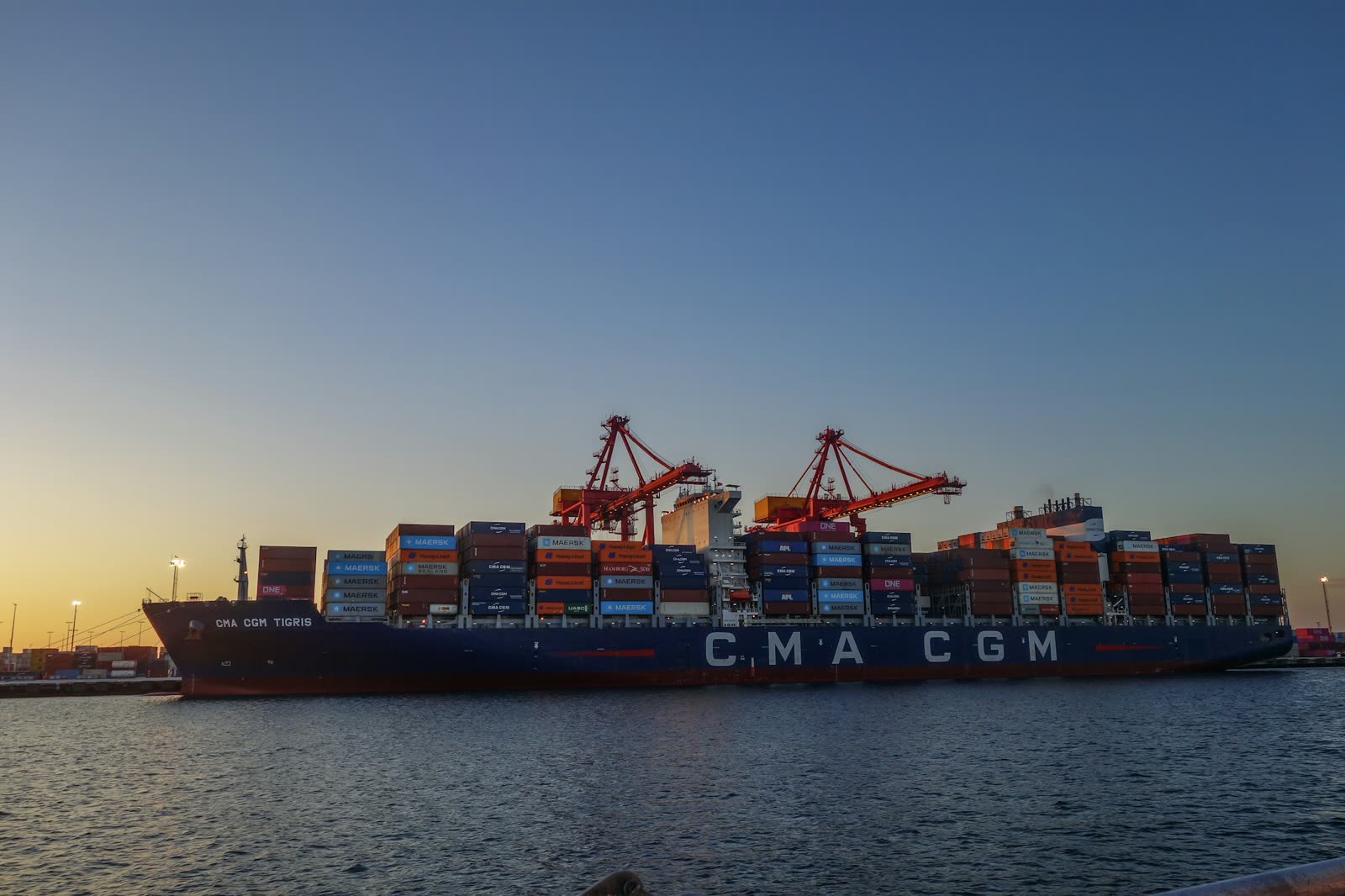
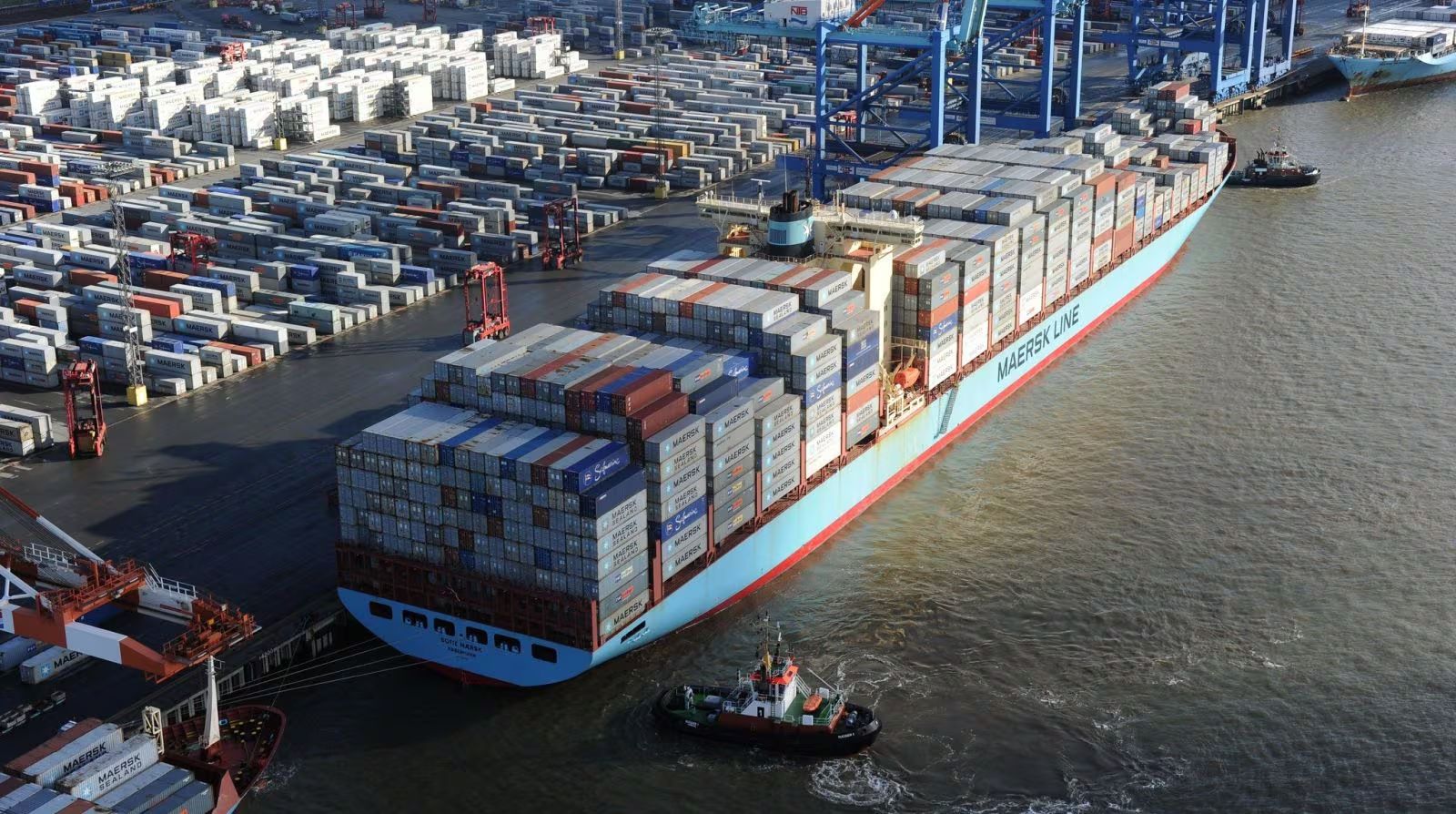
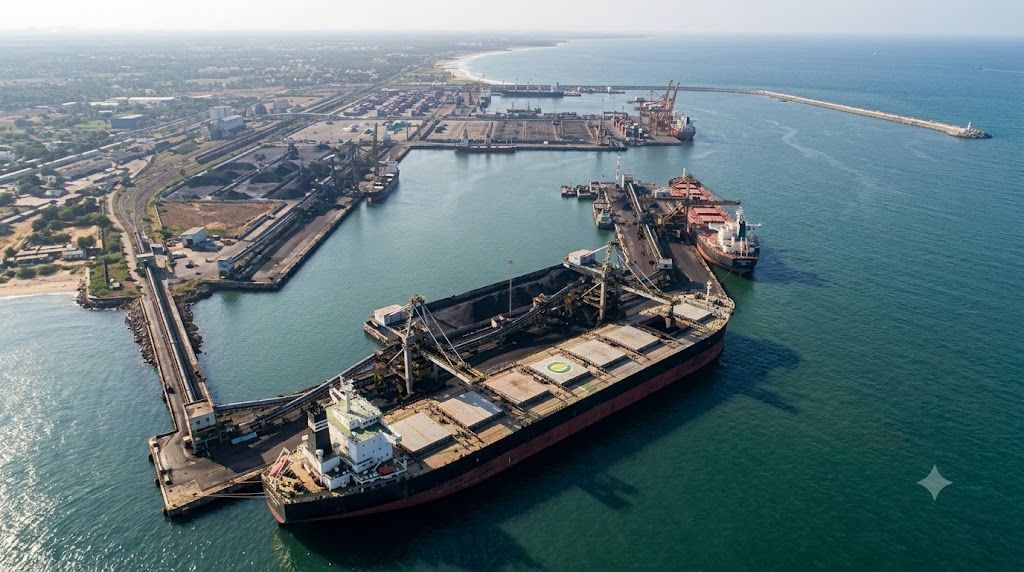
APM Terminals launches emergency plan for Liberia's Monrovia port
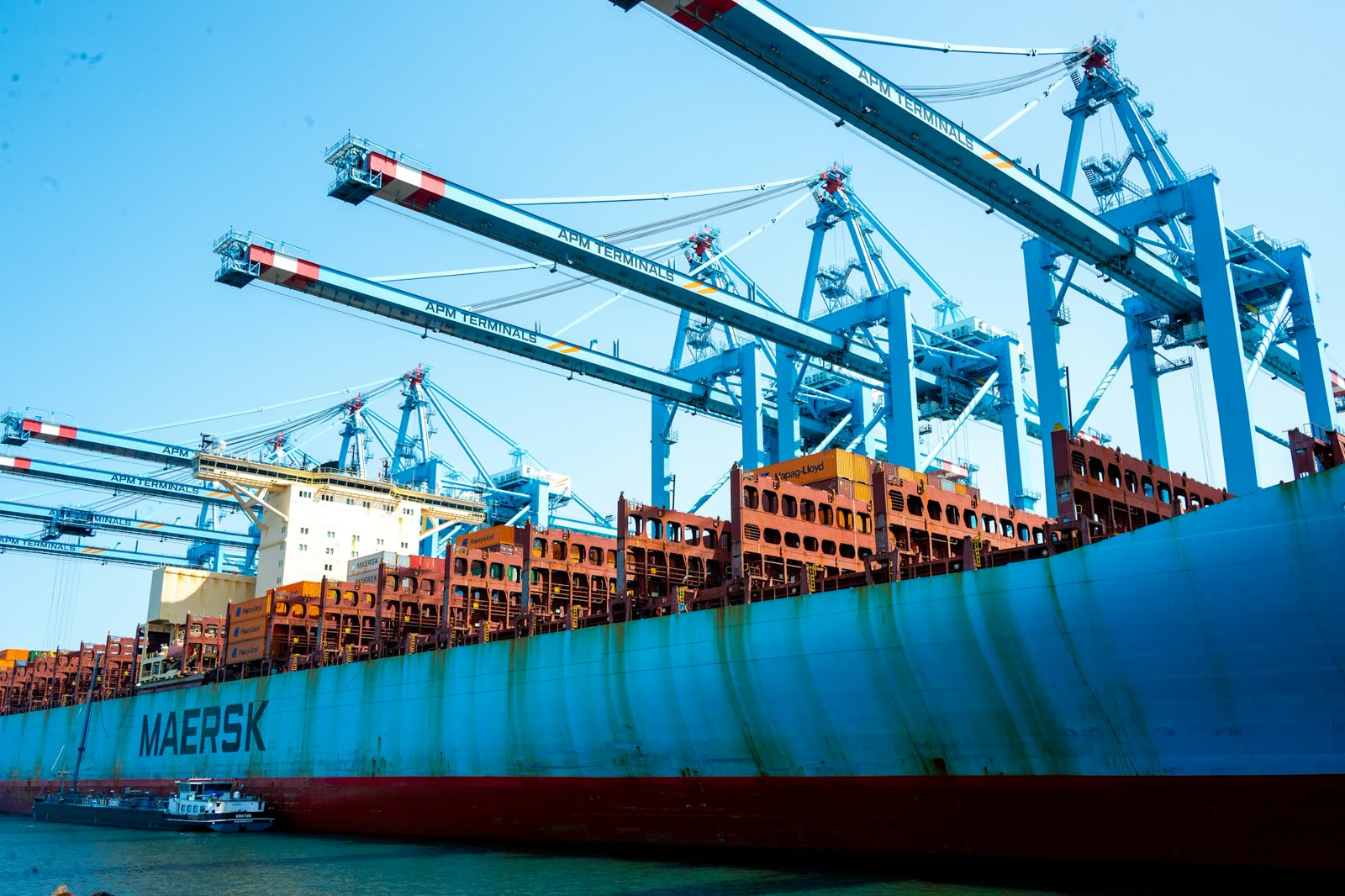
Will Maersk's direct calls from January just move the queue to Monrovia's anchorage?
APM Terminals' Monrovia measures sorted by constraint and by clock: which act on the yard, the berth or the network, and which number decides whether the queue clears.
Containers at Liberia's main port in Monrovia now sit twice as long before collection, so the yard is full and ships wait. APM Terminals is adding space within days and equipment within months, and Maersk will call directly from January. None of this raises the rate at which boxes leave the port, and that rate decides whether the queue clears.
APM Terminals runs the container terminal at the Freeport of Monrovia, Liberia's main port, and has announced emergency measures to ease congestion there. The terminal says at least 250 import containers a day have to leave the gate for cargo to keep flowing. About 170 do.
Liberian lawmakers say boxes bound for the country spend more than 30 days at sea before they berth. Most of that wait happens somewhere else. In a letter to the Senate, Senator Amara Konneh says most vessels for Liberia are routed to and queue at ports in Ivory Coast and Ghana. One measure is aimed there. In January 2027 Maersk makes Monrovia the first port of call on its W5A service, and Liberian cargo now transshipped at Abidjan will be discharged in Monrovia directly. That covers Maersk cargo only.
Most of the rest of the list works on Monrovia's yard. Average dwell went from 7 to 8 days in 2025 to 15 to 16 days in 2026. A box that stays twice as long holds its ground slot twice as long, so effective storage has fallen by almost half. The terminal cannot discharge faster than it has somewhere to put the boxes, so the surplus waits on board, offshore.
The fastest step moves hundreds of long-standing import containers out of the full import area, and APM Terminals says it will help within a week. Taking down buildings and developing unpaved ground adds more room, but only a fixed amount. With the gate about 80 boxes a day short, each thousand new positions fills in about twelve days. New space buys days. The third mobile harbour crane, due over the coming months, is a berth measure. While the stack is full, it can only discharge as fast as the yard clears.
Nothing on the list moves the 170, and APM Terminals says so itself. More capacity will not fix the congestion unless customs clearance, documentation, trucking and container collection improve. Those are in the hands of customs at the Liberia Revenue Authority, the shipping lines, brokers, the trucking union and the consignees. Collection is partly about cash. Importers petitioned lawmakers this week, saying their delivery orders expire before they can collect. A box its owner cannot yet pay for stays in the yard.
The direct call makes the gate matter more. Maersk's Liberian boxes will come sooner and in bigger parcels, so the yard needs room on the day the ship arrives. If the first call comes in January to a gate still clearing 170 a day, the wait moves from Abidjan to Monrovia's anchorage. Between now and then, watch daily import deliveries against the 250.