Maersk tests AI cameras on its container ships
Who sees the footage when a camera on your ship flags a crew member?
Where the footage goes, who on board has to act on an alert, and why the contraband role rests on rules Maersk has not published.
Maersk is testing AI cameras on ships to catch fire, mooring and contraband risks. The software reportedly runs on board and sends no live video ashore, so bandwidth is not the limit. Safety alerts work if they reach the right crew member fast. Contraband evidence must reach police, and the rules for that sit only in an email.
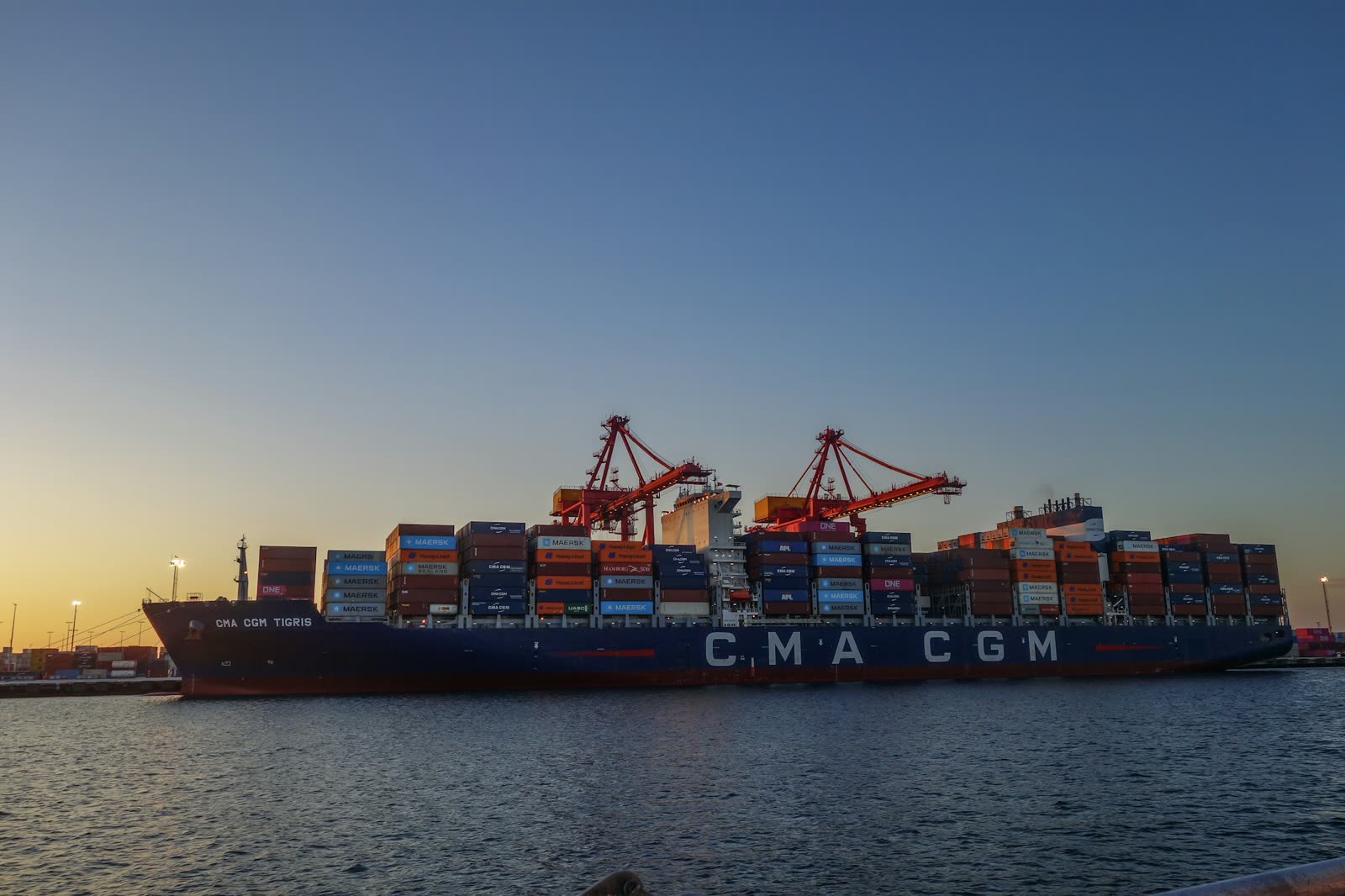
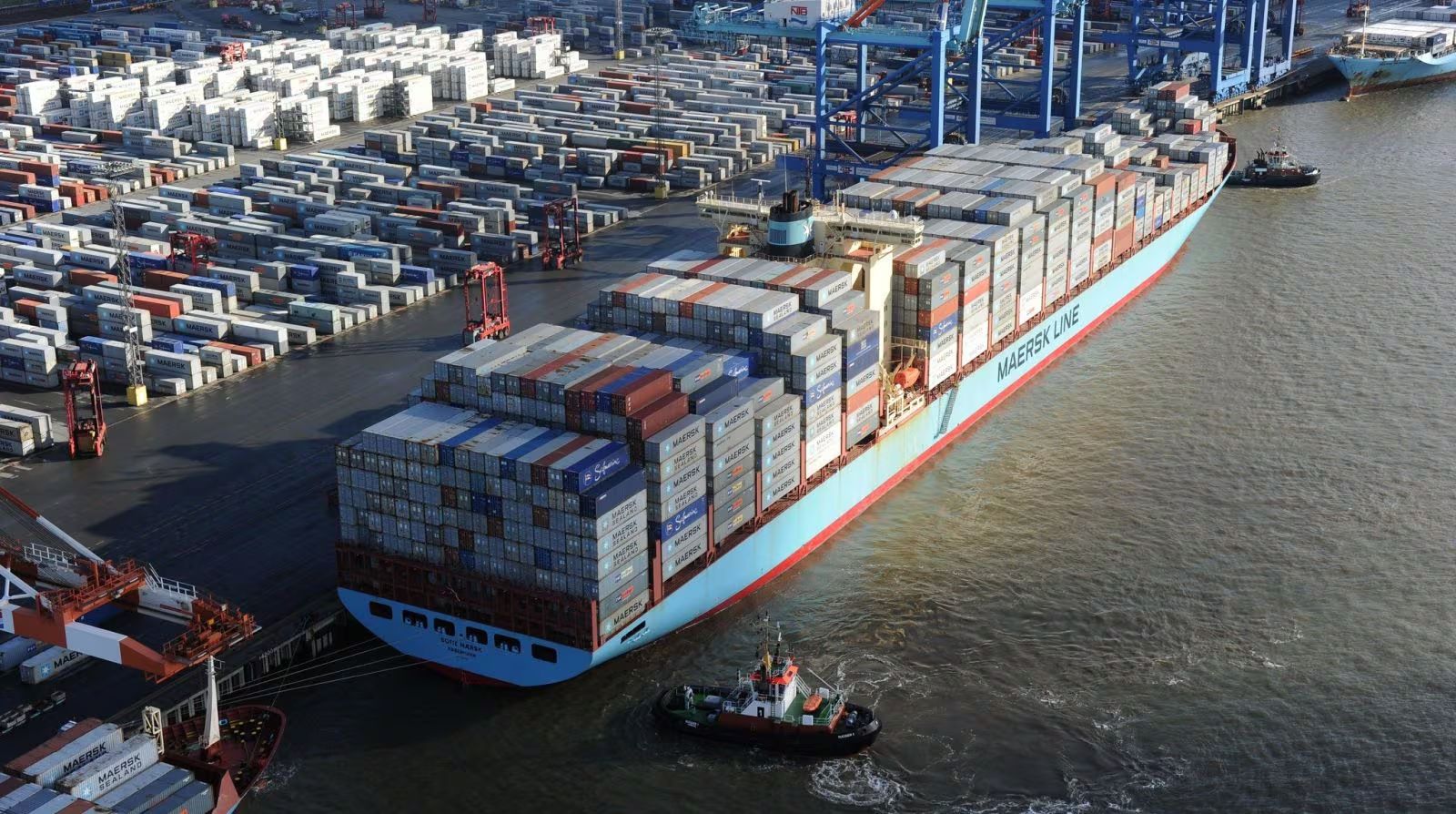
Maersk has been running AI-assisted cameras on some of its container ships since September. They watch working areas for engine room fire risks, missing safety equipment and mooring lines under strain. Maersk will also test whether they help crews spot contraband. The carrier confirmed the pilot on 26 November, in a release that gives no number of ships, no supplier and no rules on who sees the footage.
Those rules are in an email to Maersk's captains, which circulated on seafarer forums two days before the release. The trade title Digital Ship reported its contents. According to the email, a server on board runs the analysis and no continuous video is streamed ashore. Only the captain can view clips. Each clip is short and tied to an alert, with faces blurred. Clips are deleted on board within 30 days. The email says they cannot be used in appraisals or disciplinary action.
Bandwidth did not force that design. In October 2023 Maersk announced Starlink for its more than 330 owned container ships, at speeds above 200 Mbps. So keeping the analysis on board is a choice, and a sound one. The alert still fires when the satellite link drops mid-ocean. And nobody in an office ashore is watching a crew's working day.
For safety, the design works if a flag reaches someone who can act on it. An engine room hotspot at three in the morning matters only if it gets to the duty engineer. If the machinery space runs unattended at night, nobody is sitting at the camera monitor.
The security half has to leave the ship. Spotting contraband means pointing cameras at people, and what comes out is evidence. Police and prosecutors use that evidence ashore, against individuals. In August, Portuguese police boarded the container ship Maersk Nokwanda about 640 nautical miles off Portugal and found around five tonnes of cocaine. A carrier that finds drugs on board needs a way to hand evidence to the police.
The email provides one. In severe incidents such as criminal investigations, the system provider can access footage and pass it to Maersk through a lawful process. That exception is reasonable. The weakness is where it is written down. Maersk's public release contains none of these rules. A seafarer on a pilot ship can point only to an email signed by Capt. Mikkel H. Jensen, Maersk's head of nautical. The promises on blurring, deletion and discipline all rest on that same email.
The trial is planned to run about 12 months. The thing to watch in that time is whether Maersk publishes the email's safeguards as fleet policy. That costs nothing, and it is what the forum argument was really asking for.
Primary sources
- officialInmarsat Maritime signs expanded agreement with Maersk to enhance global fleet connectivity Viasat (Inmarsat Maritime), 2025-02-06