Carriers' return to Suez delays Asia cargo bound for the UK
Who pays when your UK box is dropped at a continental hub?
Why a shorter route puts two sailings into one berth window, where a UK-bound box goes when its call is dropped, and which December switches come next.
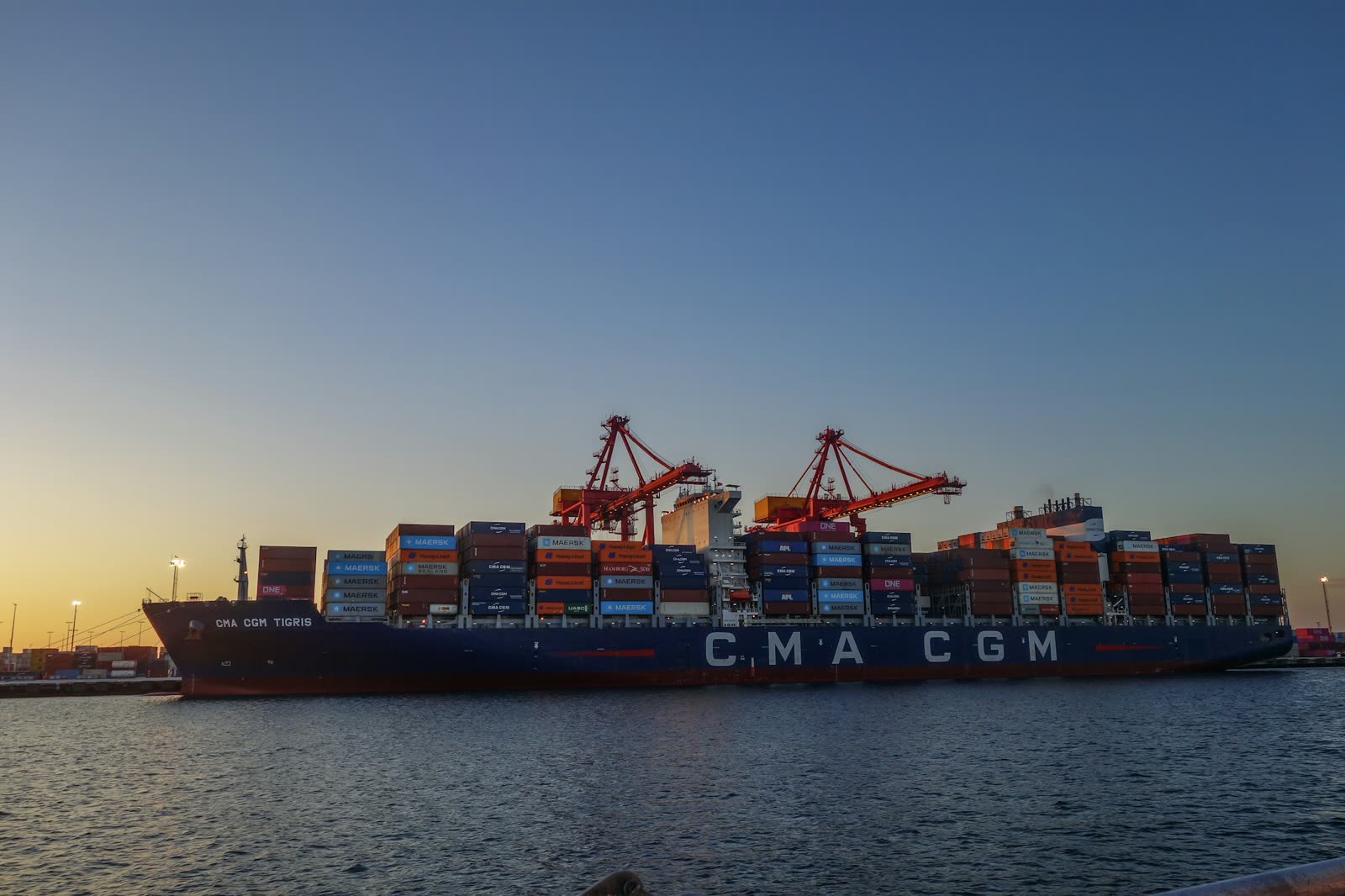
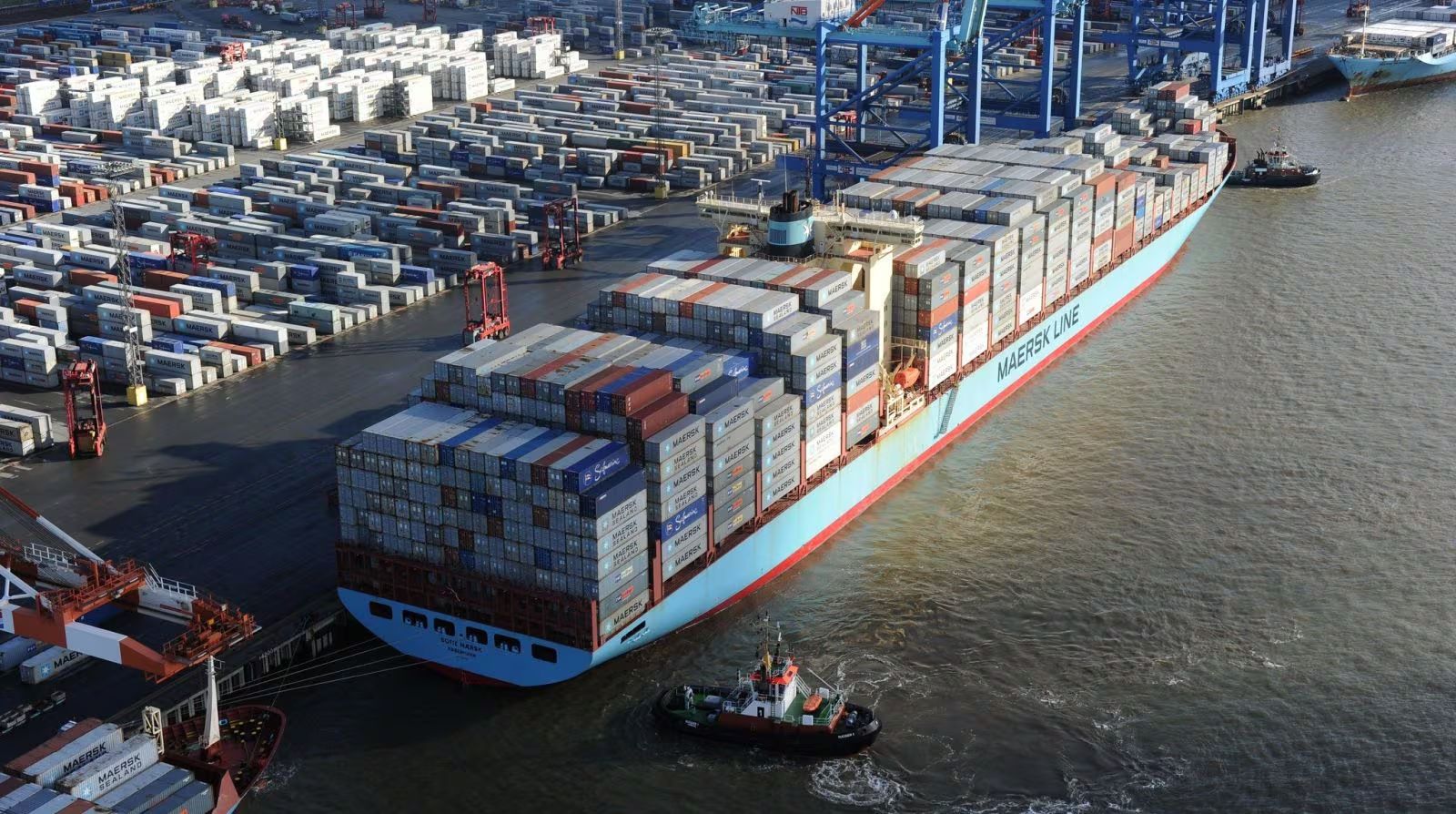
Container lines moving Asia to Europe services back to the Suez Canal are delaying UK cargo. Ships on the short route catch up with ships still sailing round Africa, so European ports get two weeks of cargo at once. Carriers are unloading some UK boxes in mainland Europe and sending them on later, and three more services switch by mid-January.
Davies Turner, one of the UK's largest independent freight forwarders, said on 25 November that the container lines' return to the Suez Canal is congesting European ports and delaying cargo from Asia to the UK. Flexport put arrivals into North Europe at 129% of normal capacity from week 45, the first full week of November. Some lines have discharged UK-bound containers at continental hubs instead of the UK ports they were booked to.
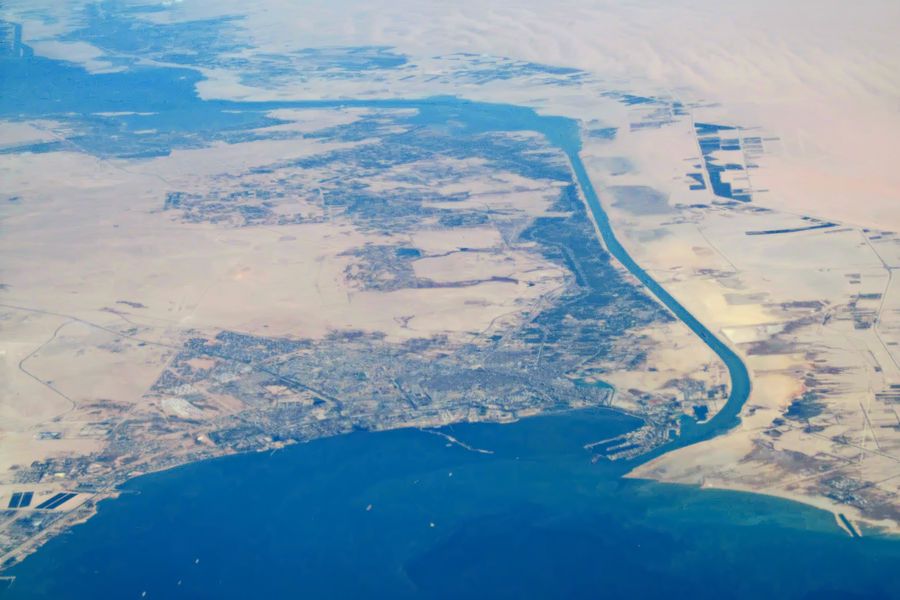
The surge comes from the shorter route. A Suez routing saves 10 to 14 days to North Europe compared with the Cape of Good Hope. On a weekly service the whole saving arrives at once. The first ship sent through the canal catches up with the Cape ship that left one or two weeks ahead of it. Both reach the same terminals in the same week, with two calls' worth of cargo for a window planned for one.
On the continent the berths are coping. Kuehne+Nagel put the average vessel wait in Rotterdam at 1.27 days for 18 to 24 November. That is under the two days at which it starts calling a port disrupted. The strain shows in the yards instead. Hamburg's CTH terminal was at 99%, and Bremerhaven was at 89%.
The UK berths are tighter. London Gateway's wait was 3.0 days in the week to 17 November, at a port already down capacity from crane maintenance and a derailment that cut its rail service. So a carrier with a late ship that cannot get the UK berth discharges the UK boxes at the continental hub where the ship is already alongside. The ship gets back on schedule, and the delay moves to the box. It becomes a transhipment box in a nearly full yard. There it waits for a feeder whose loading plan, Davies Turner says, keeps changing at short notice.
The importer carries that lost time. Davies Turner names quay rent, demurrage and detention as the charges at risk. It still advises letting the carrier's recovery plan run. Collecting the box in Europe brings carrier fees and a rate that may be repriced, and the empty then has to cross the Channel back.
More overlaps are coming. Maersk and Hapag-Lloyd are moving three more services in Gemini, their joint network, onto the canal between 4 December and 14 January. On AE1, the last to switch, London is the final call, after Rotterdam, Hamburg and Antwerp. The last call is the one most exposed when a ship runs late.
Watch the berths and the yards together. If UK vessel waits drop under Kuehne+Nagel's two-day line while continental yards stay near 90%, the backlog has moved onto the feeders. That is where the next delay will show.