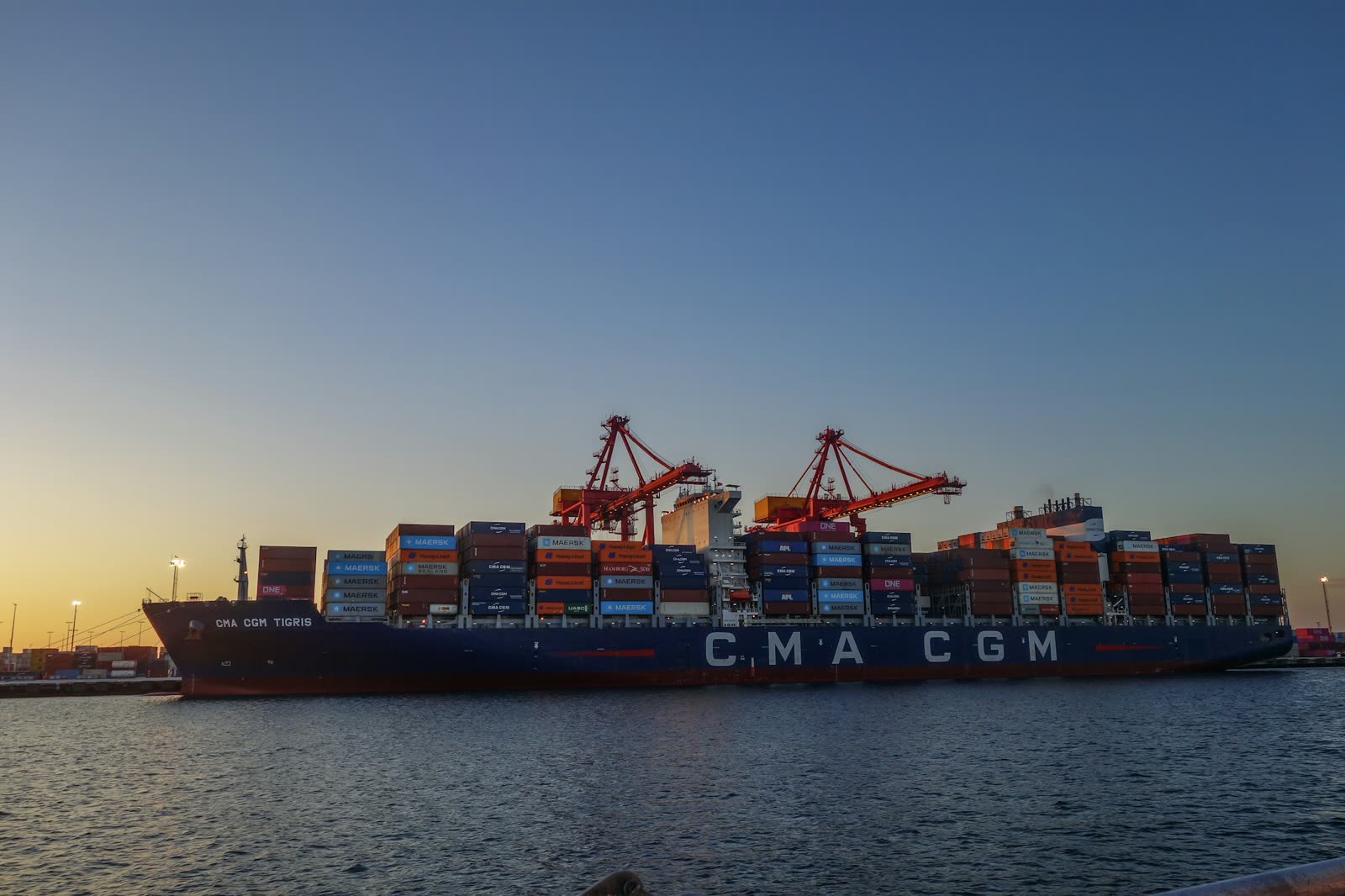
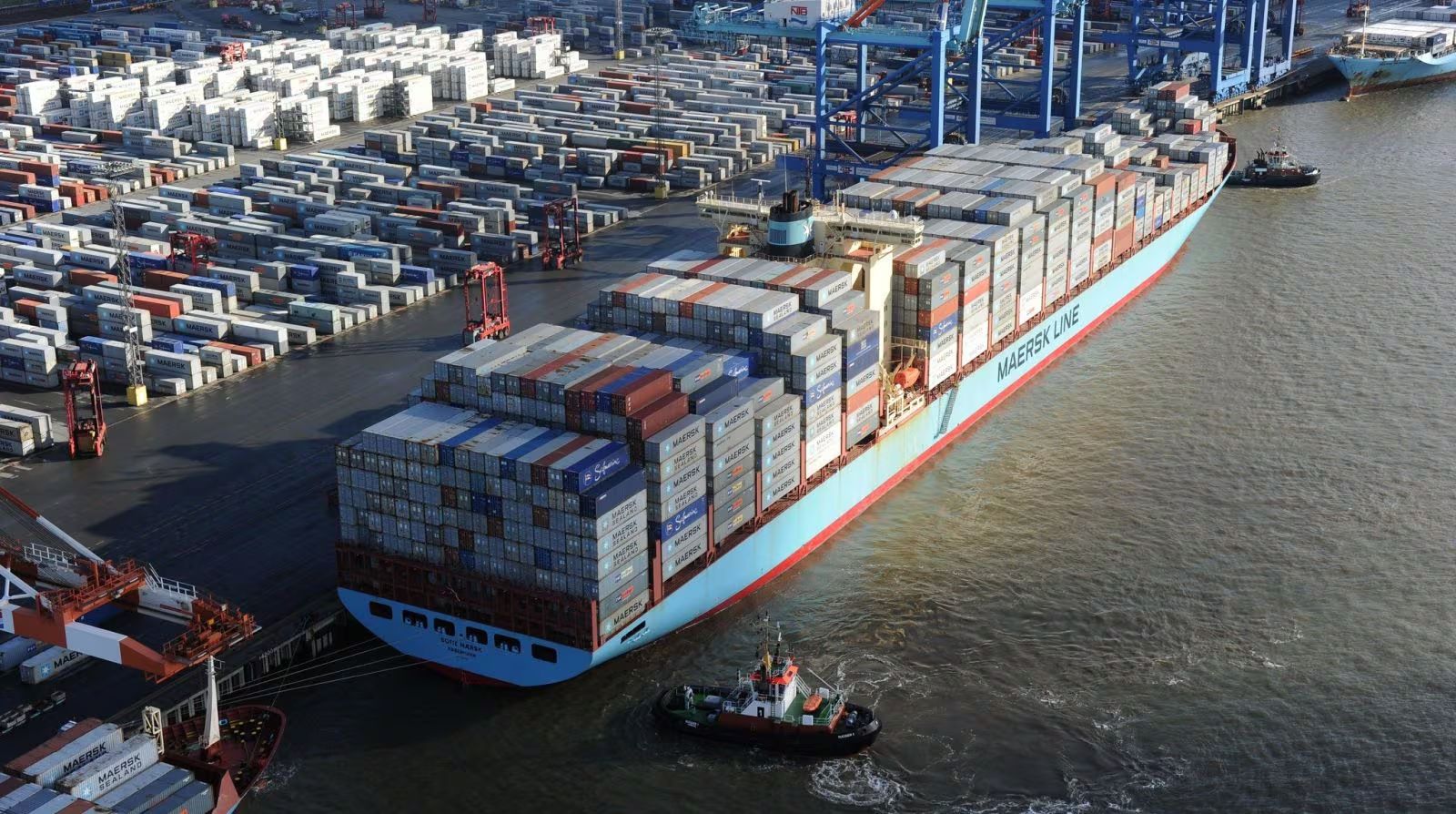
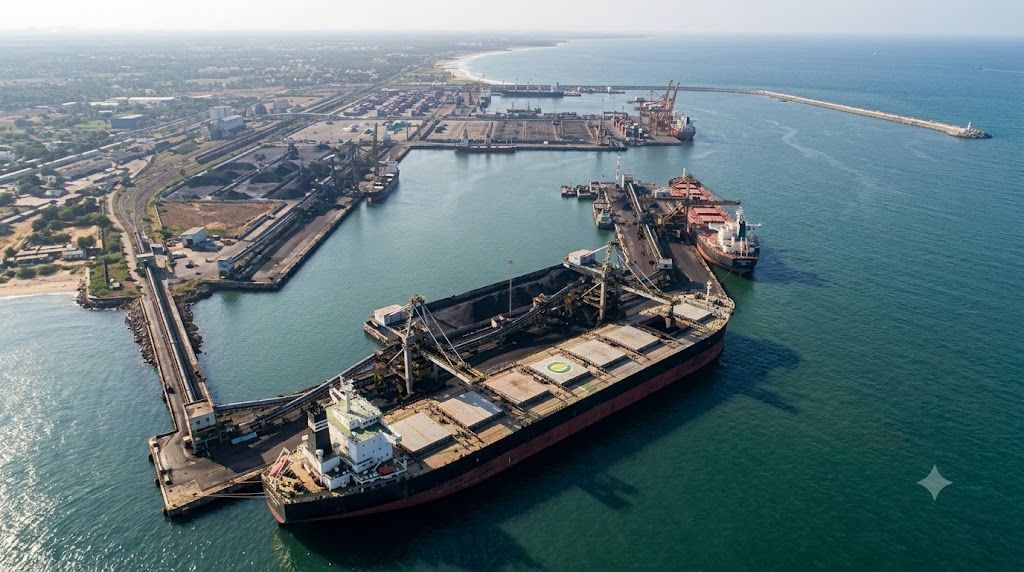
CMA CGM adds a $35 a TEU war risk charge in the Black Sea
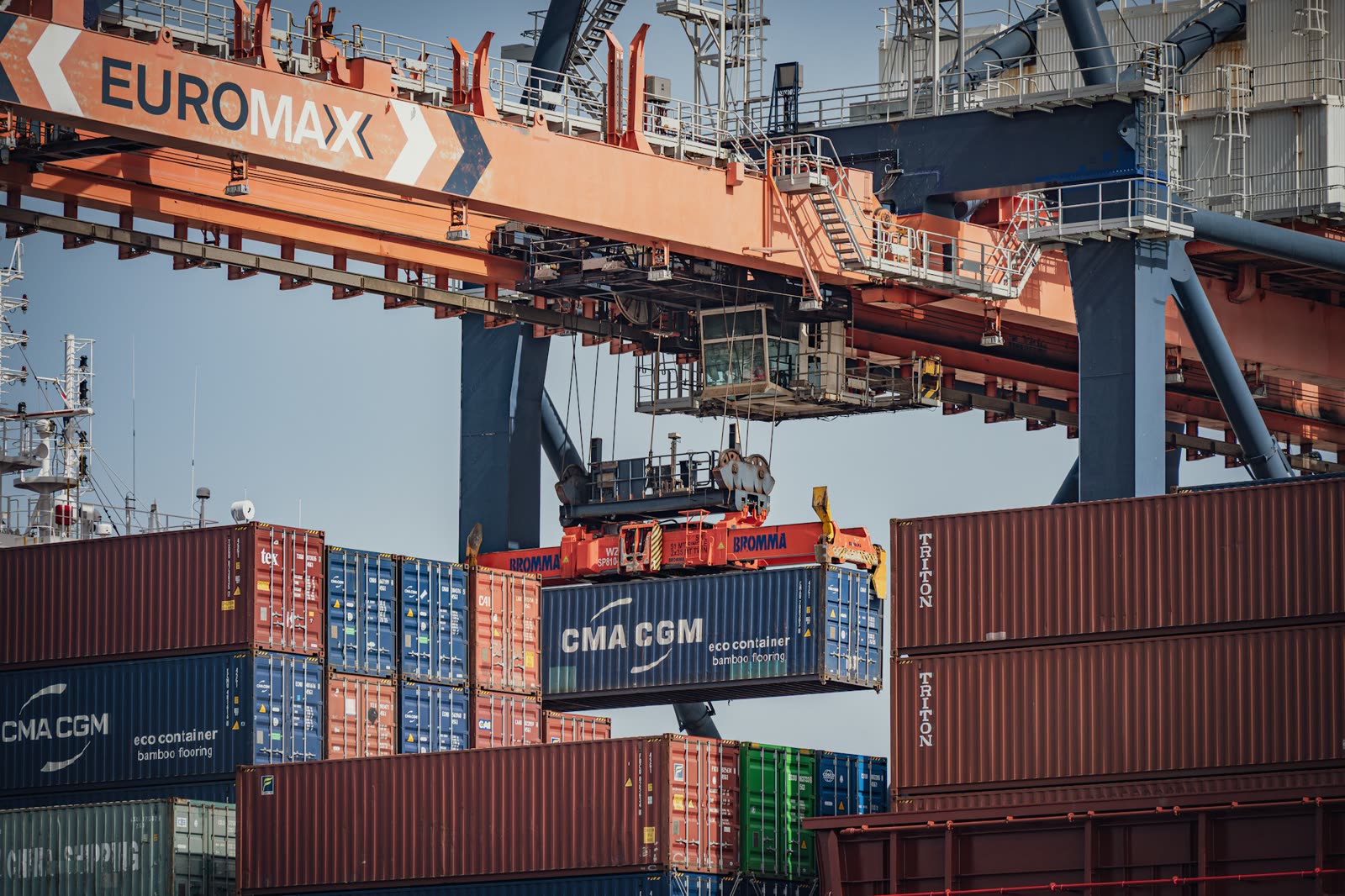
What happens to your $35 surcharge when Black Sea war premiums jump?
Underwriters bill the ship for every voyage into listed water. The carrier bills the box, and $35 a TEU has to survive that arithmetic.
CMA CGM will add $35 per TEU to Black Sea cargo from 9 November, after London underwriters listed almost the whole sea as war risk water. Insurers charge the ship for each voyage into that water, so the carrier spreads the cost across the boxes on board. The charge holds while premiums stay low and ships stay full.
CMA CGM will add a war risk surcharge of $35 per TEU to cargo moving to and from the Black Sea, on bills of lading issued from 9 November. The ports named are Constanța in Romania, Varna and Burgas in Bulgaria and Poti in Georgia. The charge follows a decision in September by the Joint War Committee, which advises the London market on hull war risk, to list almost the whole Black Sea as war risk water. Whether $35 holds depends on a mismatch between how the cost arrives and how it is billed.
Underwriters charge the ship. A vessel entering listed water notifies its underwriters and pays an additional premium. That premium is a percentage of hull value, for a set period inside the area. The number of containers on deck makes no difference to it. Whichever way the ship is run, the cost reaches CMA CGM as a lump sum per voyage. CMA CGM then recovers it per box.
So how big a ship does $35 a TEU pay for? Every 1,000 TEU loaded or discharged on a call brings in $35,000. Early broker estimates reported by Beinsure put the additional premium for the newly listed water at 0.10 to 0.20 per cent of insured value. At those rates, $35,000 covers a hull insured at $17.5 million to $35 million.
If premiums rise, that cover shrinks quickly. Brokers quoted by Türkiye Today in mid-October saw Black Sea rates moving to 0.6 to 1 per cent. At that level the same 1,000 TEU covers a hull worth only $3.5 million to $5.8 million. Neither range was quoted for a container ship calling Constanța. The numbers still show what the charge was sized for: the low end of the range, and full ships.
A per-voyage cost cannot be printed on a bill of lading, so the carrier prices a network average and accepts the spread. Averaging is the only way a charge like this can work. A well-filled call over-recovers and a thin one under-recovers. The size of the charge shows it is a pass-through. Hapag-Lloyd's war risk surcharge for the Gulf in March was $1,500 per TEU. At $35, CMA CGM is passing an insurance cost on to cargo and makes no attempt to price the risk itself.
That makes the charge easy to test. A charge that really tracks its cost changes when the premium changes, in either direction, and CMA CGM says it may revise the terms. In January, check what was actually invoiced on Black Sea bills of lading and whether it has moved from the $35 set on 9 November.
Primary sources
- JWLA-035: Why the whole Black Sea is now a listed area Ambrey, 2026-09-23
- IBF list of designated risk areas, with applicable benefits International Bargaining Forum (via ITF Seafarers), 2026-03-26
- JWLA-035 Joint War Committee Circular, JWC Listed Areas Joint War Committee (LMA/IUA), 2026-09-16