CMA CGM starts regular ethanol bunkering at Santos, Brazil
Can an ethanol transfer fit in a normal berth window, on every call?
What a regular supply of a low-flashpoint fuel asks of a container ship's normal call at Santos, and the details the partners have not yet published.
CMA CGM now takes ethanol fuel regularly at Santos, Brazil's largest container port, starting with one large ship in October. A regular supply has to go on board during the ship's normal stop, at the terminal where her cargo is handled. CMA CGM controls that terminal, and the next bunkerings will show whether the transfer fits every call.
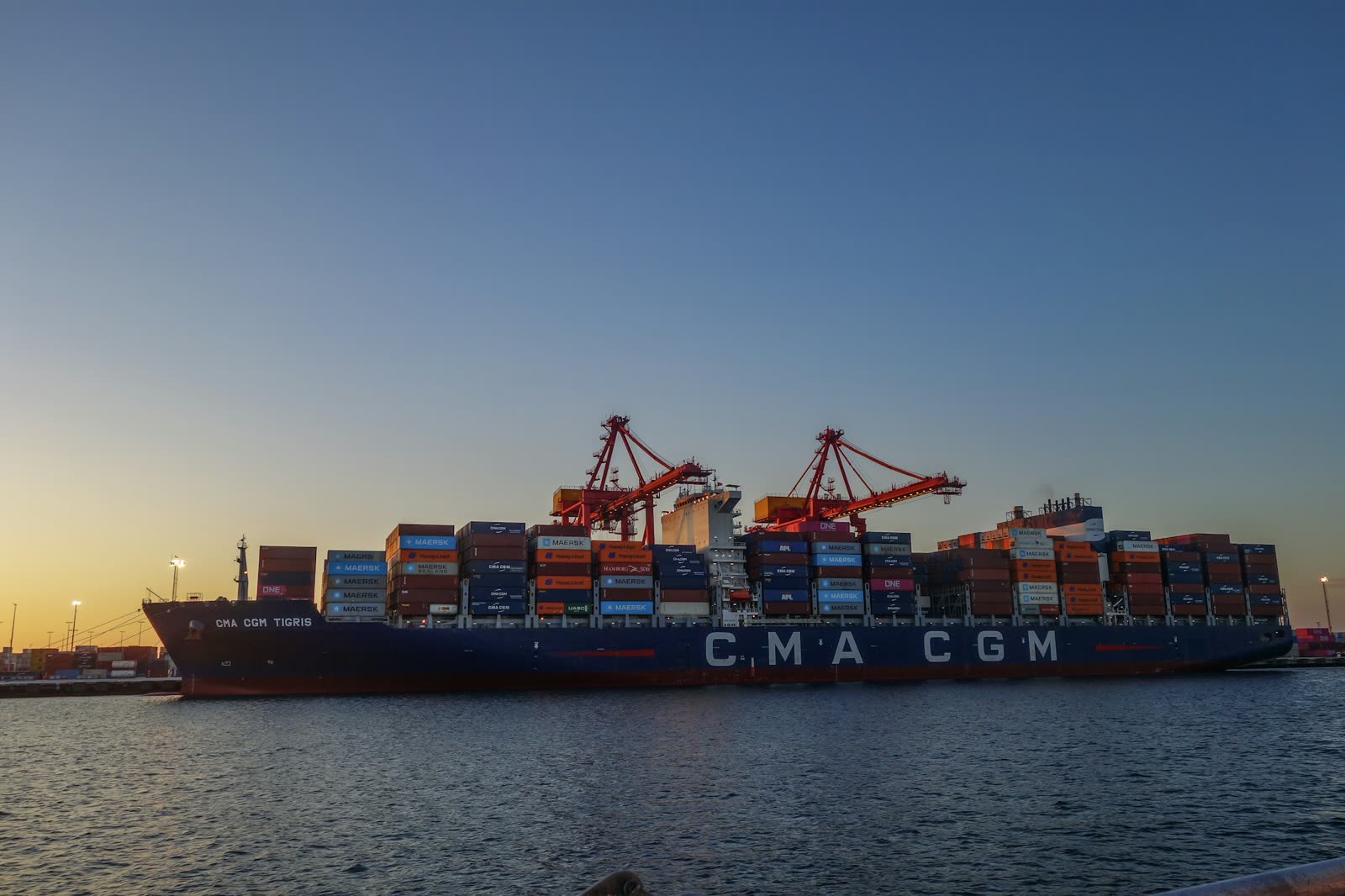
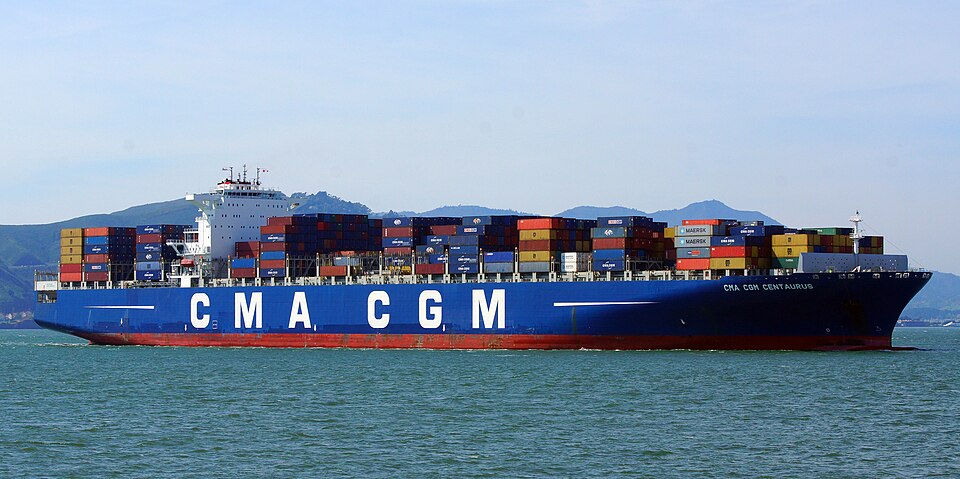
CMA CGM and its Brazilian partners have moved ethanol bunkering at Santos, Brazil's largest container port, from a trial to a regular supply. The first bunkering of the new phase was on 19 October, on the 13,000 TEU CMA CGM Iron. The fuel went on board at the Santos Brasil container terminal, during her ordinary liner call. For the supply to stay regular, it has to fit the hours she already spends on the berth, on every call.
Getting the fuel is the easy part. The ethanol comes from sugar cane and is supplied by Copersucar, a Brazilian sugar and ethanol producer. Brazil produced 37 billion litres of ethanol in the harvest that ended in March, according to UNICA, the sugar-cane industry association. A ship's bunker parcel is a small draw on that. At Santos, the thing in short supply is time alongside.
That time is fixed before the ship arrives. A liner call has a berth window, and a bunker transfer that runs alongside the cargo work costs the schedule nothing. A transfer that has to wait for the cranes to stop, or run after them, adds hours to the call. It also delays the next ship.
Whether the transfer can run alongside the cargo work depends on the safety rules for the fuel. Ethanol has a low flash point. Bunker One, which brings the ethanol alongside by barge, spent months on a dedicated protocol and crew training for that reason. No report says whether the October transfer ran while cargo was being worked.
The fuel's energy content also uses up the window. Copersucar puts it at about 1.6 tonnes of ethanol for each tonne of conventional fuel. The same voyage energy means more product through the hose. At any given pumping rate, that means more hours alongside. No volume has been published for the October bunkering, so nobody outside the partners can yet work out those hours.
Santos is a sensible place to learn this. CMA CGM has held 51% of Santos Brasil since April 2025. The ship, the fuel buyer and the terminal that plans the berth all belong to one group. Fitting a barge into the crane schedule is therefore an internal discussion.
The partners say more CMA CGM ships will bunker ethanol at Santos before the end of the year. On those calls, check the berth time. The test is whether a ship leaves on her normal window with the ethanol on board and no extra hours added for the transfer.
Primary sources
- officialFirst bioethanol bunkering for CMA CGM IRON in Santos CMA CGM, 2026-07-13
- officialCMA CGM becomes majority shareholder with a 51% stake in Santos Brasil CMA CGM, 2025-04-24