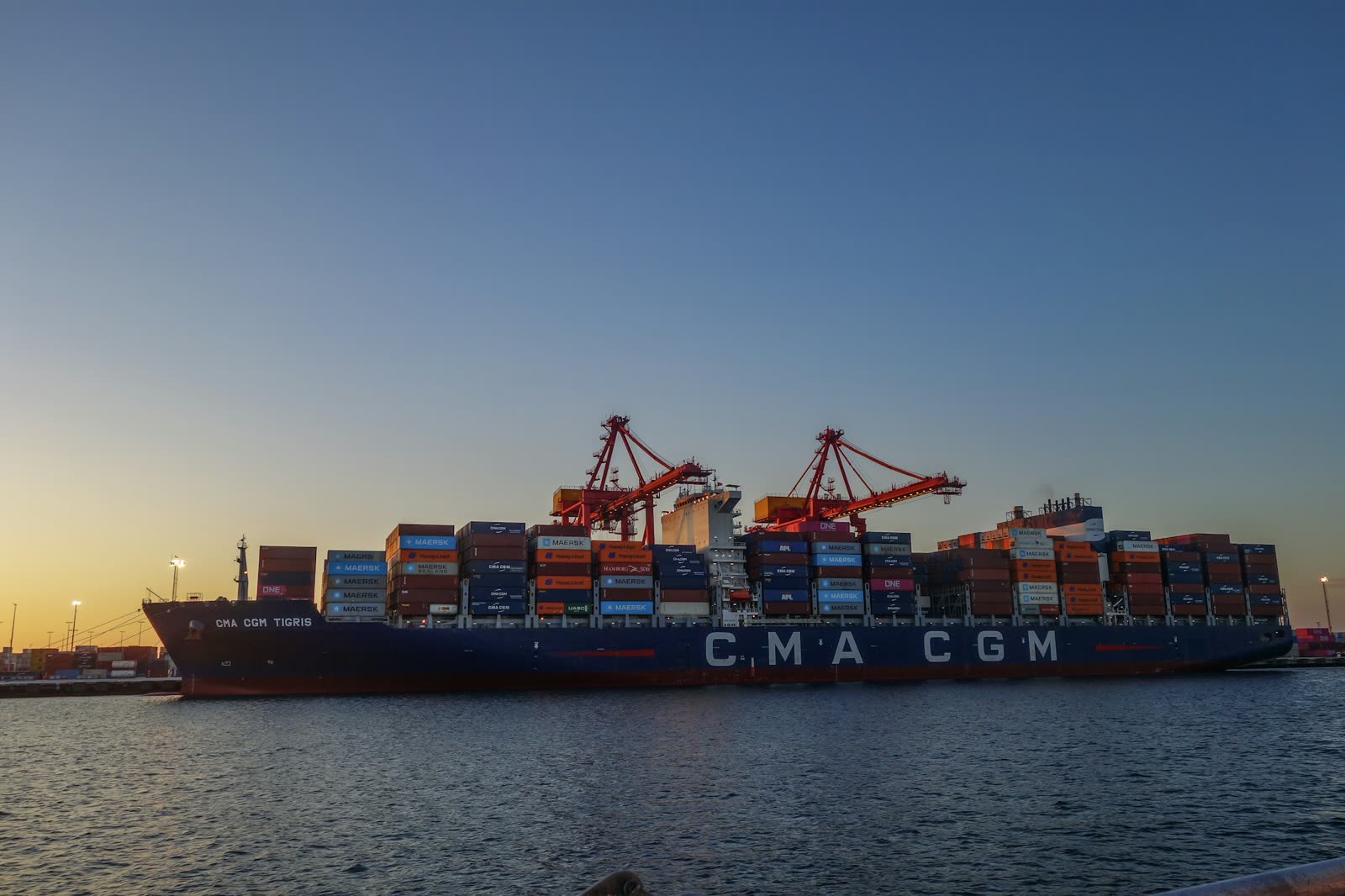
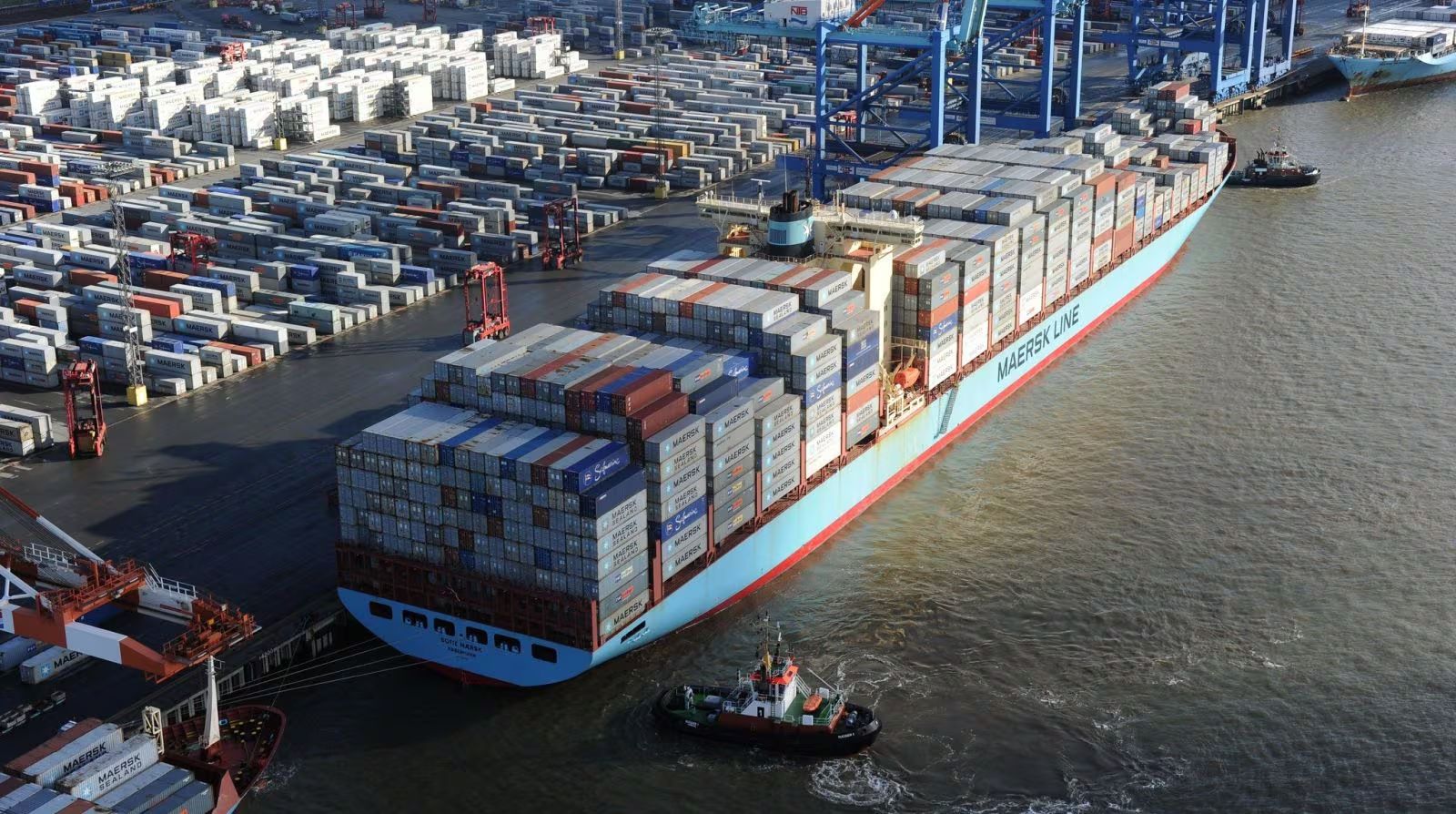
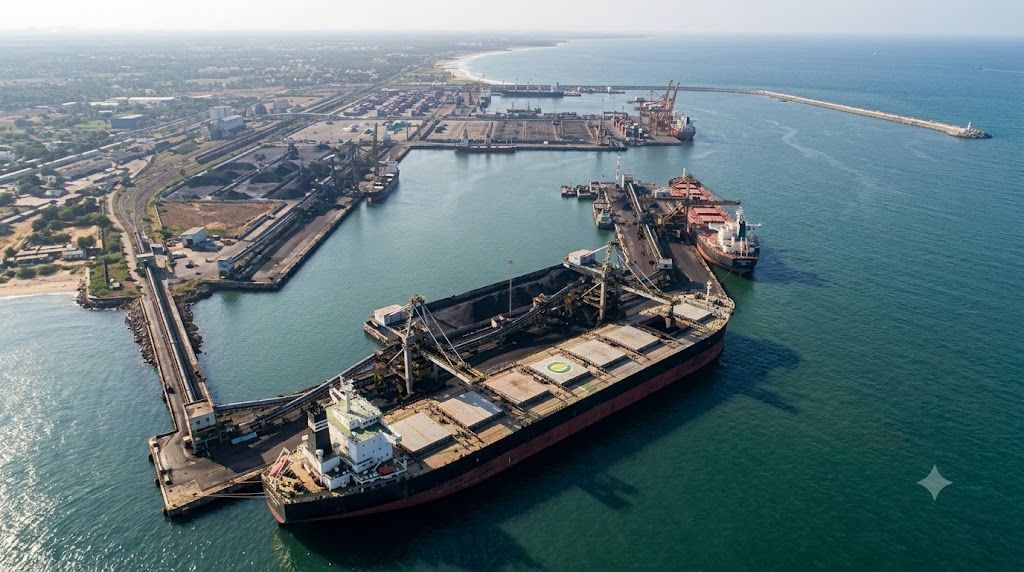
DP World adds a second weekly feeder from India's Cochin to Colombo
Does a second ship cut your seven-day wait at Cochin?
How a second weekly sailing from Kerala to Sri Lanka's hub changes an exporter's connection at Colombo, and the two details the announcement leaves out.
DP World's terminal at Cochin, India, now has a second weekly feeder to Colombo in Sri Lanka. Its transshipment trade has halved, so the Colombo link serves the local Kerala cargo it still has. A second sailing saves exporters time only if the two sailings are spread across the week and their carrier books space on both.
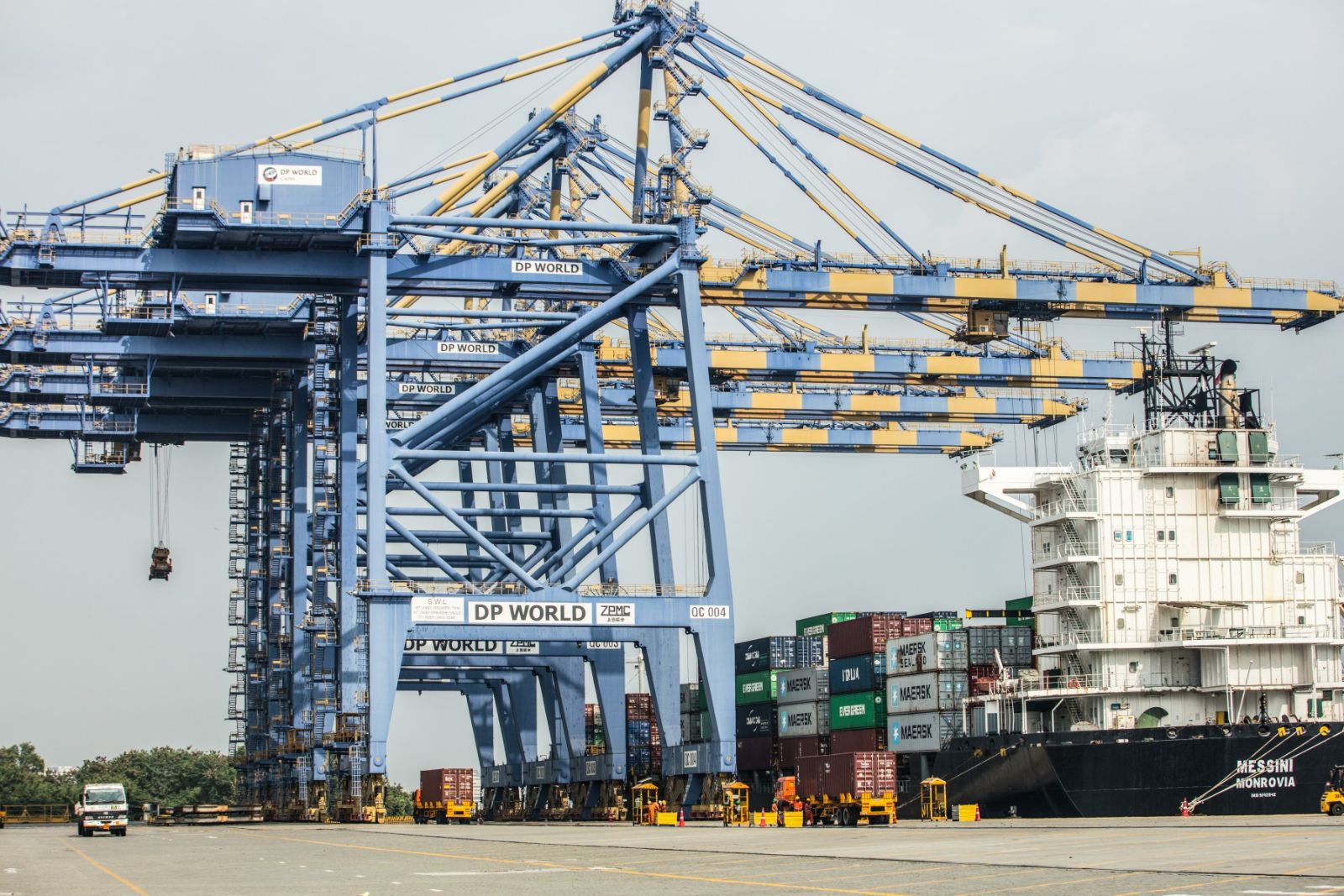
DP World's container terminal at Cochin, a port city in the southern Indian state of Kerala, now has a second weekly feeder sailing to Colombo. Sri Lanka's transshipment hub is about 300 nautical miles to the south. DP World announced the service on 17 November. For a Kerala exporter, that could mean two chances a week to make a mainline ship at Colombo. The announcement leaves out the two details that decide whether it does.
The terminal was built to win back Indian cargo that was being relayed through Colombo. Now it is promoting its link to Colombo, and its own volumes explain why. Transshipment through Cochin almost halved in the 2025-26 financial year, from 169,562 TEU to 85,911 TEU. Export and import volumes grew close to 6%. So the terminal's business is now Kerala's own trade. With few direct mainline calls, much of that cargo reaches its long-haul ship at Colombo.
The new loop is Bengal Tiger Line's South India Service. It calls at New Mangalore, then Cochin, then Colombo, with one ship, the TC Symphony, of about 1,000 TEU. Cochin is the last call before Colombo, so export boxes go straight across in about a day. The sea leg is the short part. The time an exporter loses comes before and after it.
The first wait is at Cochin. With one sailing a week, a box that misses the cut-off waits seven days. With two sailings spread across the week, the worst case falls to three or four days. If the two ships leave a day apart, the shipper gets more slots and almost no time back.
The second wait is at Colombo. A feeder is timed to land its boxes ahead of the cut-off for particular mainline services. A second feeder earns its place when it lands ahead of a mainline the first one misses. If it does not, the box sits in the Colombo yard, and that dwell replaces the wait at Cochin.
Who gets to use the second ship? Usually not the exporter's choice. He books with the mainline carrier, and the carrier routes the box over the feeders it holds slots on. Two sailings are two chances only if that carrier buys space on both.
The calendar will show it first. When both services publish fixed days at Cochin, compare them. Three or four days apart gives the exporter a second chance in the week. If they leave a day apart, he has a second ship and almost no time saved.
Primary sources
- officialPort of Colombo records historic high of 8.29 million TEUs in 2025 Sri Lanka Ports Authority, 2026-01-01