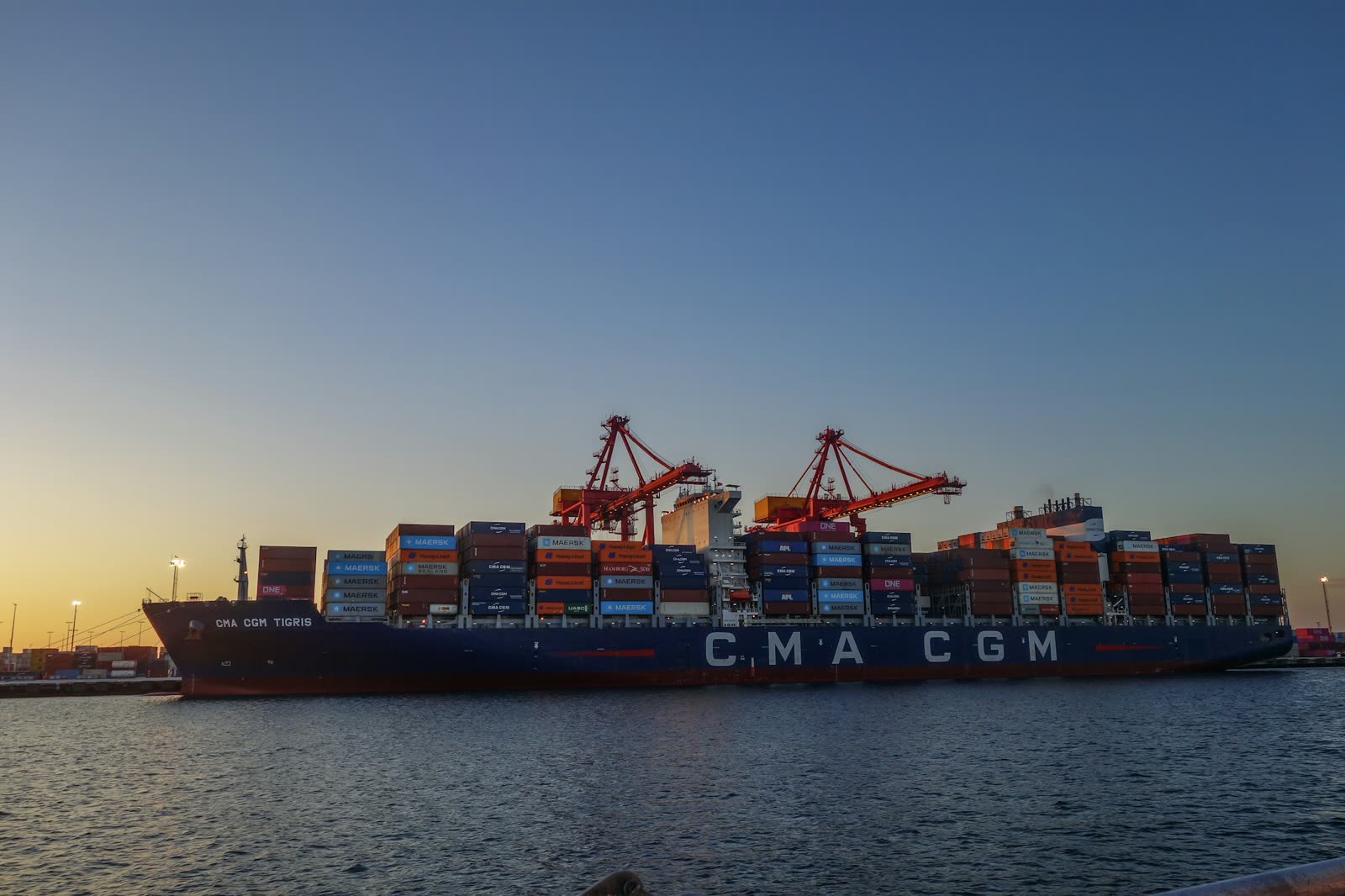
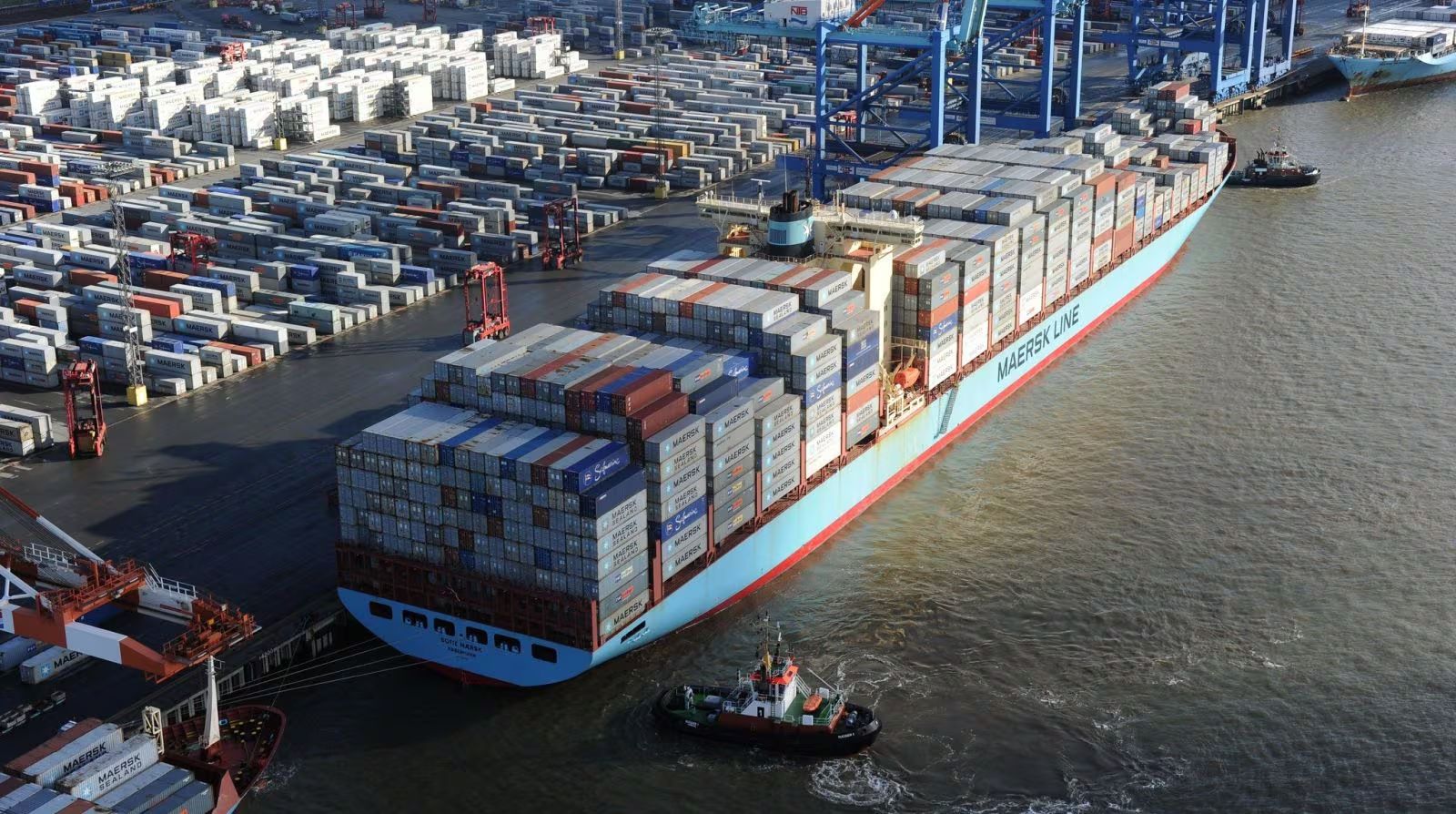
Evergreen sends its container ships back through Suez
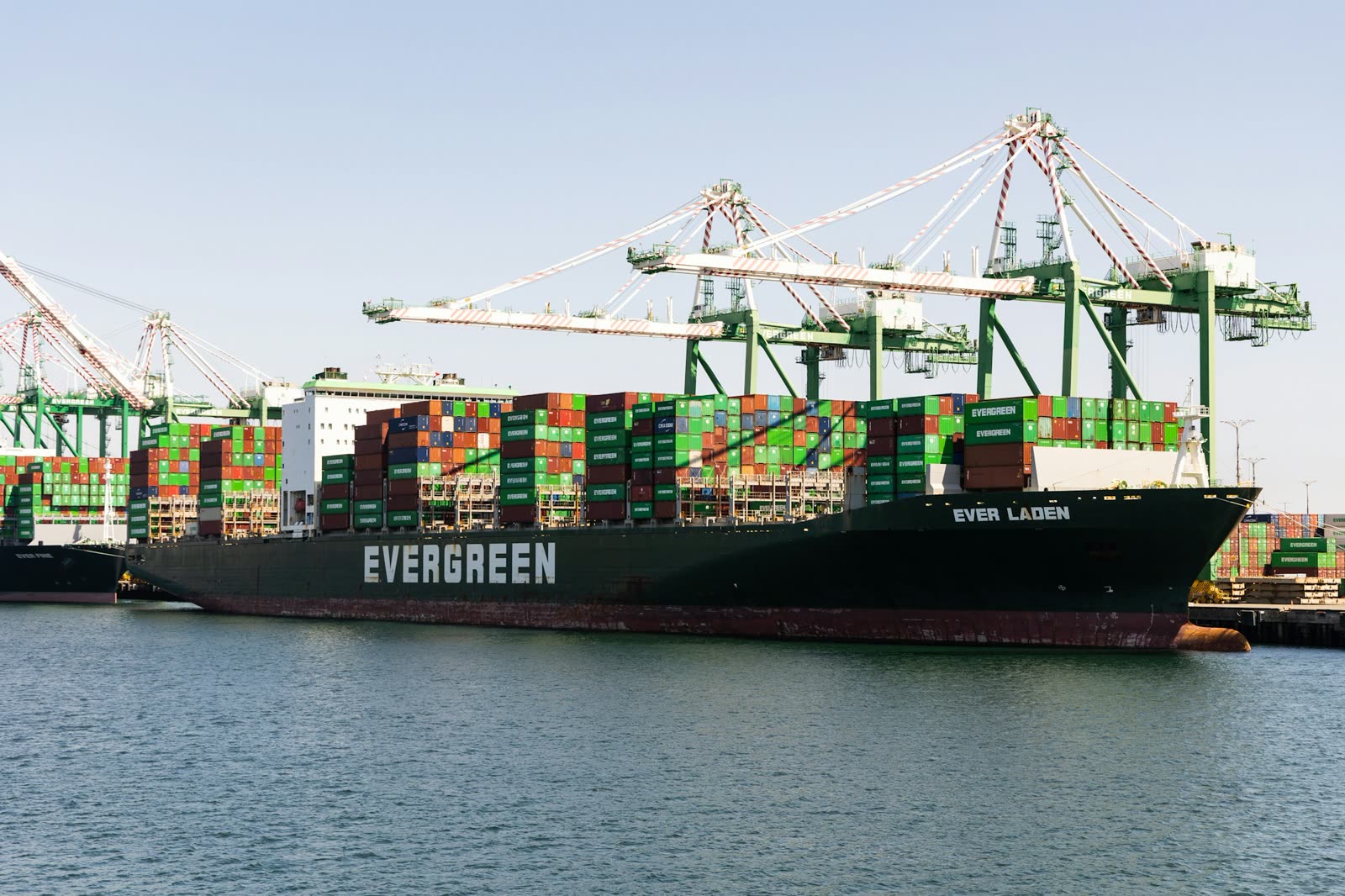
Who decides when ZIM's ships can follow?
Evergreen followed its alliance back to the canal, while ZIM's routing sits with underwriters, crews and the owners of the ships it charters.
Evergreen is sending ships back through Suez because its alliance partners already had. ZIM, the Israeli carrier, stays on the Cape. The Houthis call Israeli-linked ships targets, and on the ships ZIM charters, the insurance, the crew and the right to refuse belong to the owners. Its pending sale to Hapag-Lloyd may split that question.
Evergreen sends its first container ships through the Suez Canal this week. They are its first Red Sea transits since 19 December 2023. Evergreen was the last Ocean Alliance carrier still sailing round Africa. Its return leaves ZIM, the Israeli carrier, as the one major line still on the Cape.
Evergreen went back because its partners CMA CGM, COSCO and OOCL already had. An alliance loop is one weekly product built from several carriers' ships. A ship still going round the Cape cannot hold its slot in that loop. With the loops back in the canal, Evergreen's choice comes down to arithmetic: the war risk premium and the crew bonus against the days and fuel saved. It can put a number on both.
ZIM can't. In June the Houthis declared a total ban on Israeli and Israeli-linked ships in the Red Sea and called them legitimate military targets. In March, BIMCO's Jakob Larsen had already said ships with Israeli or US links "are probably not going to be able to get insurance." If nobody will quote a premium, it never reaches a voyage estimate.
Who, then, decides whether a ZIM ship goes back through Bab el-Mandeb, the strait at the Red Sea's southern end? On a chartered ship, the owner does, largely. ZIM runs 115 container ships, and most of them are chartered in. ZIM orders the voyage. The owner holds the hull war cover and employs the crew. The war clause in the charterparty lets the owner refuse a voyage into a listed area.
ZIM has said as much itself. In November 2025, before the ban, its chief executive said ZIM would return once insurers and the owners of its chartered ships formally approved. The owners' caution is fair. While a ship sails under a ZIM charter, it is hard to argue that it is anything other than Israeli-linked.
That link could be split up. In February Hapag-Lloyd agreed to buy ZIM, and ZIM's international business would pass to Hapag-Lloyd. Hapag-Lloyd sails in Gemini with Maersk, and Gemini has moved all its Asia-Mediterranean services back to Suez. Under the revised plan, a separate Israeli company would take 16 ships. If the deal closes, the ships passing to Hapag-Lloyd would be routed by a carrier already back in the canal, provided underwriters stop treating them as Israeli-linked. The 16 keep the Israeli profile, and the Cape, for as long as the June ban stands.
Statements from the Houthis in Sana'a will come first and count for less. Watch for a priced war risk quote for an Israeli-linked hull in the southern Red Sea. Until an underwriter writes one, ZIM stays on the Cape.
Primary sources
- officialZIM Reports Strong Results for the Second Quarter of 2026, Benefiting from its Leading Transpacific Position, Agile Commercial Approach and Efficient Cost Structure ZIM Integrated Shipping Services, 2026-08-19
- Another Hormuz? What to know about the Houthi threat to the Red Sea Council on Foreign Relations, 2026-10-08