Goldman puts Maersk price target 24% below the shares
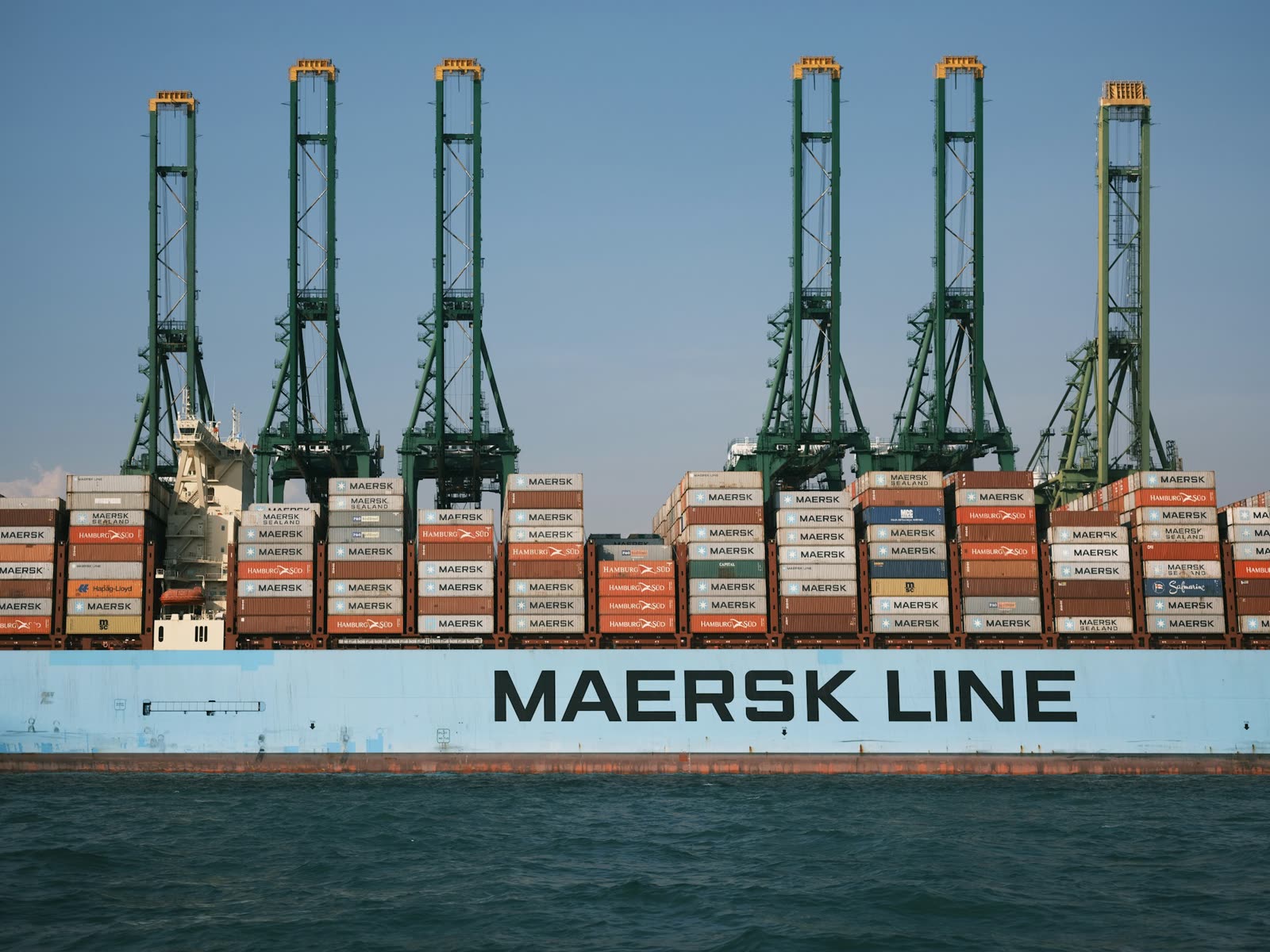
Is your rotation ready for Suez ships arriving up to two weeks early?
What moving loops back through Suez does to Maersk's rotations, why that is the core of Goldman's sell case, and where the March 2027 date actually came from.
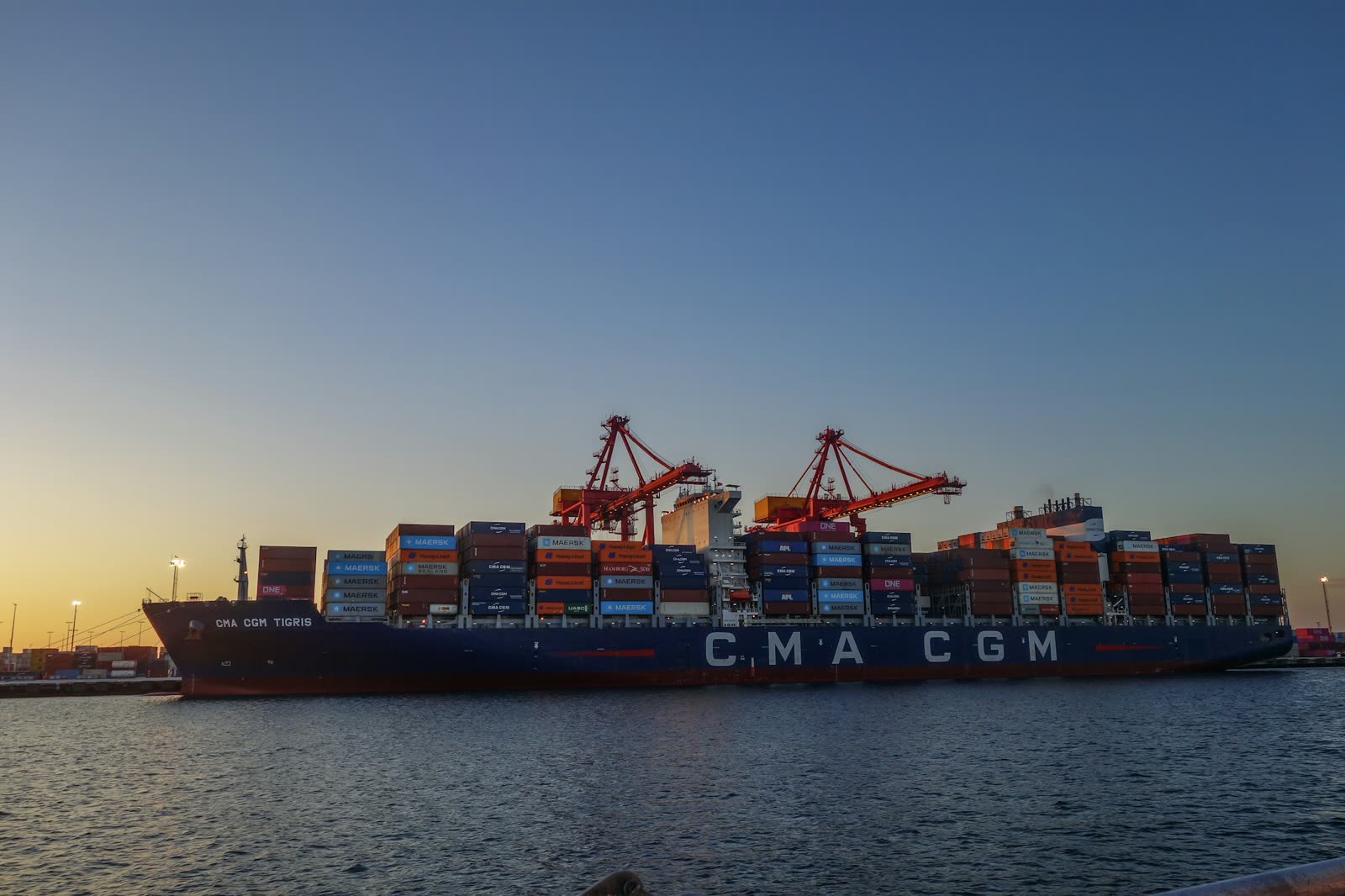
Goldman Sachs now rates Maersk a Sell, saying the supports under container shipping are fading. The biggest is the long route around Africa, and Maersk is moving its services back through Suez. Shorter voyages free up ships just as many new ones arrive. Both the sell case and the return still depend on Red Sea security.
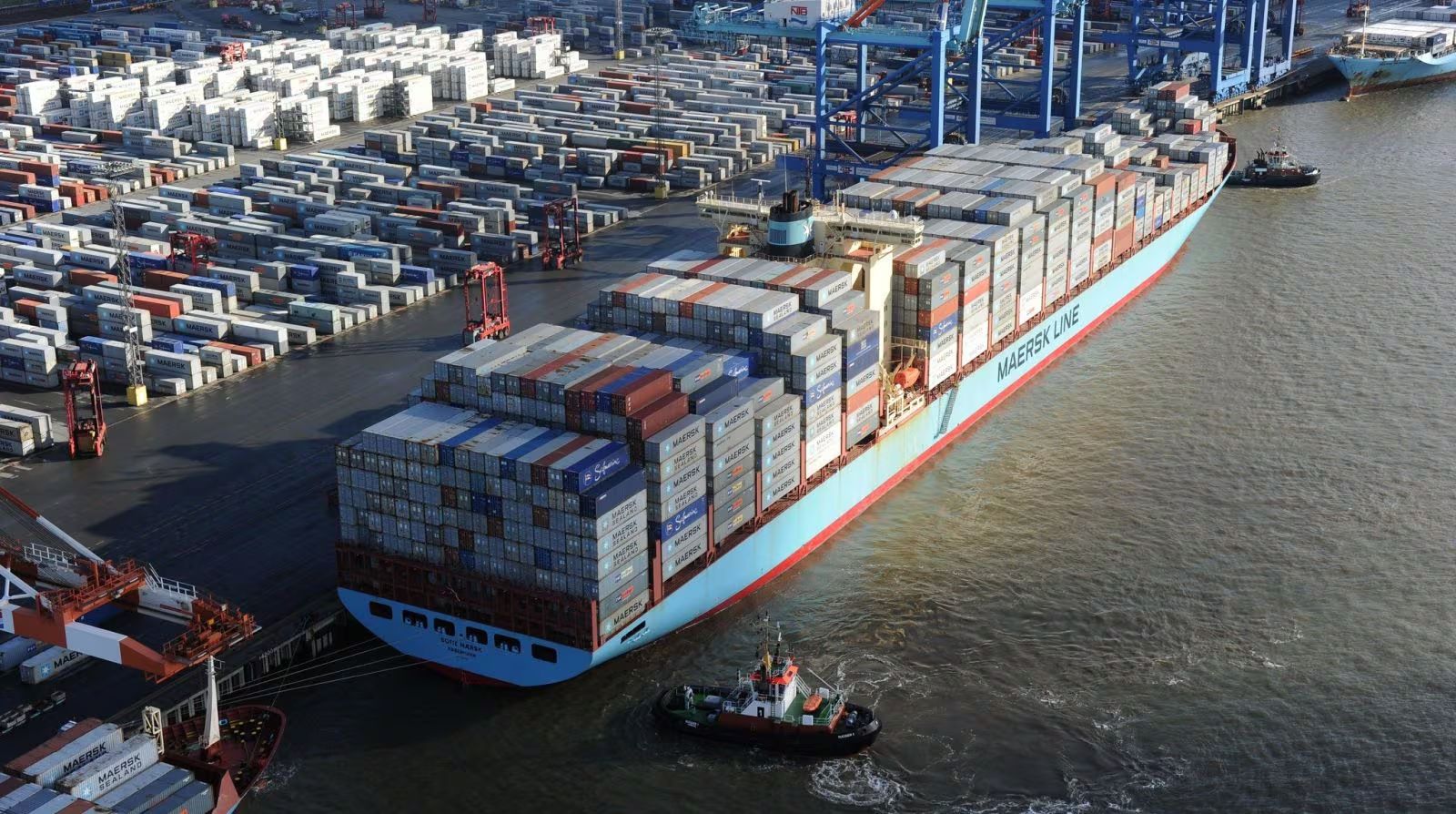
Goldman Sachs cut A.P. Moller-Maersk to Sell from Neutral on 22 October. Its 12-month price target sits about 24% below where the shares stood. The bank says the conditions holding container earnings up are temporary. The largest of them is the diversion around the Cape of Good Hope, and Maersk is undoing that diversion itself.
This means the carrier's network progress is the core of the sell case. By September two Maersk loops, AE15 and AE19, were routing through Suez. On 14 September Maersk and Hapag-Lloyd moved four more services in their Gemini network back through the canal. Goldman says a full return could cut TEU-mile demand by a mid-single-digit percentage next year. Effective demand growth would then be "flat to negative".
The demand cut shows up in the rotation. Xeneta figures cited in the trade press put the average passage from Yantian, in south China, to Rotterdam at 41 days on Cape-routed services. One ship that went through Bab el-Mandeb and Suez did it in 27. A weekly loop's round-voyage time sets how many ships it needs to keep the sailing day. Take 14 days off each leg and several ships per string come free.
Those ships arrive with the shipyards' output. Goldman expects new ships equal to 5 to 6% of the fleet in the first half of 2027, and 8 to 10% in the second half. The arithmetic holds. The timing is still open.
Each loop that switches has to have its timetable rebuilt, and the changeover costs something before it saves anything. The first Suez arrivals can land up to 14 days ahead of Cape-routed ships on the same loop. Unless the rotation changes, ships bunch at the first European port. On AE19, Maersk moved the first call from Tanger Med in Morocco to Port Said. Both carriers also made the September switch conditional on continued stability in the southern Red Sea.
So when is the network fully back? The March 2027 date came from Egypt's Suez Canal Authority. In a statement reported on 21 October, it said Maersk's chief operating officer had told its chairman that all Maersk services should be back through the canal by then. The authority has announced a Maersk date before. In November 2025 it said Maersk would resume transits from early December. Maersk denied setting a timeline, and three months later it suspended its Red Sea services altogether.
Watch the schedules for the remaining Cape loops. Each one needs a first Suez sailing with a named ship and a voyage number, as AE12 reportedly has for 27 October. A voyage number is a commitment. A date in a canal authority statement is an expectation.
Primary sources
- officialFinancial calendar 2026 update A.P. Møller - Mærsk (via Inderes), 2026-05-07
- officialMaersk delivers strong Q2 and raises full year guidance Maersk (via Hellenic Shipping News), 2026-08-14