Hapag-Lloyd buys 25% of Maersk's Rotterdam terminal
Does it change who sets your berth windows and crane splits?
Why Gemini's hub model makes the stake logical, and why nothing changes at the quay until the new berths open.
Hapag-Lloyd now owns a quarter of the Maersk-run terminal in Rotterdam, in the Netherlands, that both lines use as a Gemini hub. Maersk's terminal arm still runs it, so the berth plan stays the same. Hapag-Lloyd gains a share of the earnings and of the expansion, and the new quay is the test.
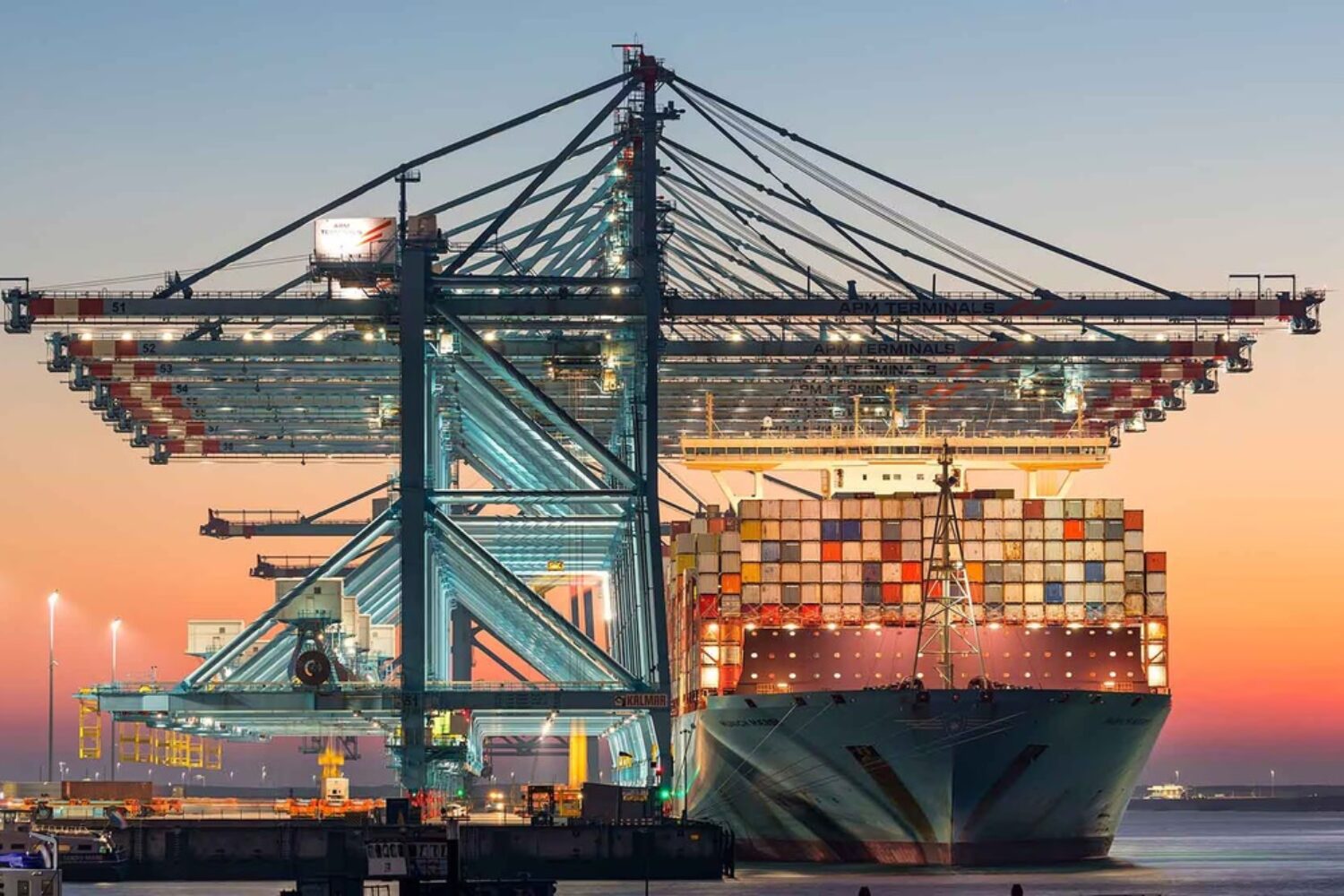
Hapag-Lloyd has completed its purchase of 25% of APM Terminals Maasvlakte II, the container terminal that Maersk's terminal arm runs in Rotterdam. The terminal is one of three North Europe hubs in Gemini, the network the two lines have run together since February 2025. APM Terminals keeps operational control. No price was disclosed.
Both partners' mainliners already call at the terminal. So why buy into a terminal your partner already runs for you? Gemini is built on hubs that the two lines own or control. Hapag-Lloyd's own Gemini material says control is what gets a ship preferred berthing and more cranes working it. At Rotterdam, Hapag-Lloyd had that only through Maersk.
It still has it only through Maersk. APM Terminals sets the berth windows and the crane splits, as it did before. Hapag-Lloyd planners send their stowage files to the same terminal as last month. At a Gemini hub the berth window comes from the network schedule and the handling contract. A shareholding rewrites neither.
So the stake changes the money. A quarter of what the terminal earns now goes to Hapag-Lloyd. That includes what the terminal earns on Hapag-Lloyd's own boxes.
The stake also buys a share of the expansion, and that is the bigger part. Work started in February 2025 on 1,000 m of new deep-sea quay. That doubles the terminal's quay to 2,000 m. Capacity rises to as much as 5.4 million TEU a year.
Hapag-Lloyd says the deal secures it automated handling capacity for the long term. That capacity arrives with the first phase of the new quay, which is due by the end of 2026.
That date is the one to watch. If the first phase opens by the end of 2026, the stake does what it was bought for. If it slips, Hapag-Lloyd now feels the delay twice: once as a customer waiting for berths, and once as an owner waiting for the return.
Primary sources
- officialAPM Terminals und Hapag-Lloyd schließen Partnerschaft für zukünftiges Wachstum am Terminal Maasvlakte II Hapag-Lloyd, 2026-08-19
- officialGemini Cooperation: Hapag-Lloyd & Maersk entered into an operational cooperation in 2025 Hapag-Lloyd, 2026-02-16
- officialFirst shovel into the ground for mega expansion APM Terminals MVII Port of Rotterdam Authority, 2025-02-24