Iran threatens Sinokor's Hormuz tankers with legal action
If Sinokor doesn't own the ships, which ones does Iran mean?
Iran has already hit seven Sinokor-linked tankers, and naming the company now puts the pressure on the charterers, owners, insurers and crews behind every hull.
Iran's strait authority has named South Korea's Sinokor and says all its ships face legal action from 1 November. The Korean answer is that Sinokor does not own them. But Iran decides which ships it means, and its warning goes to the cargo owners and insurers behind them. November's transit data will show whether it bites.
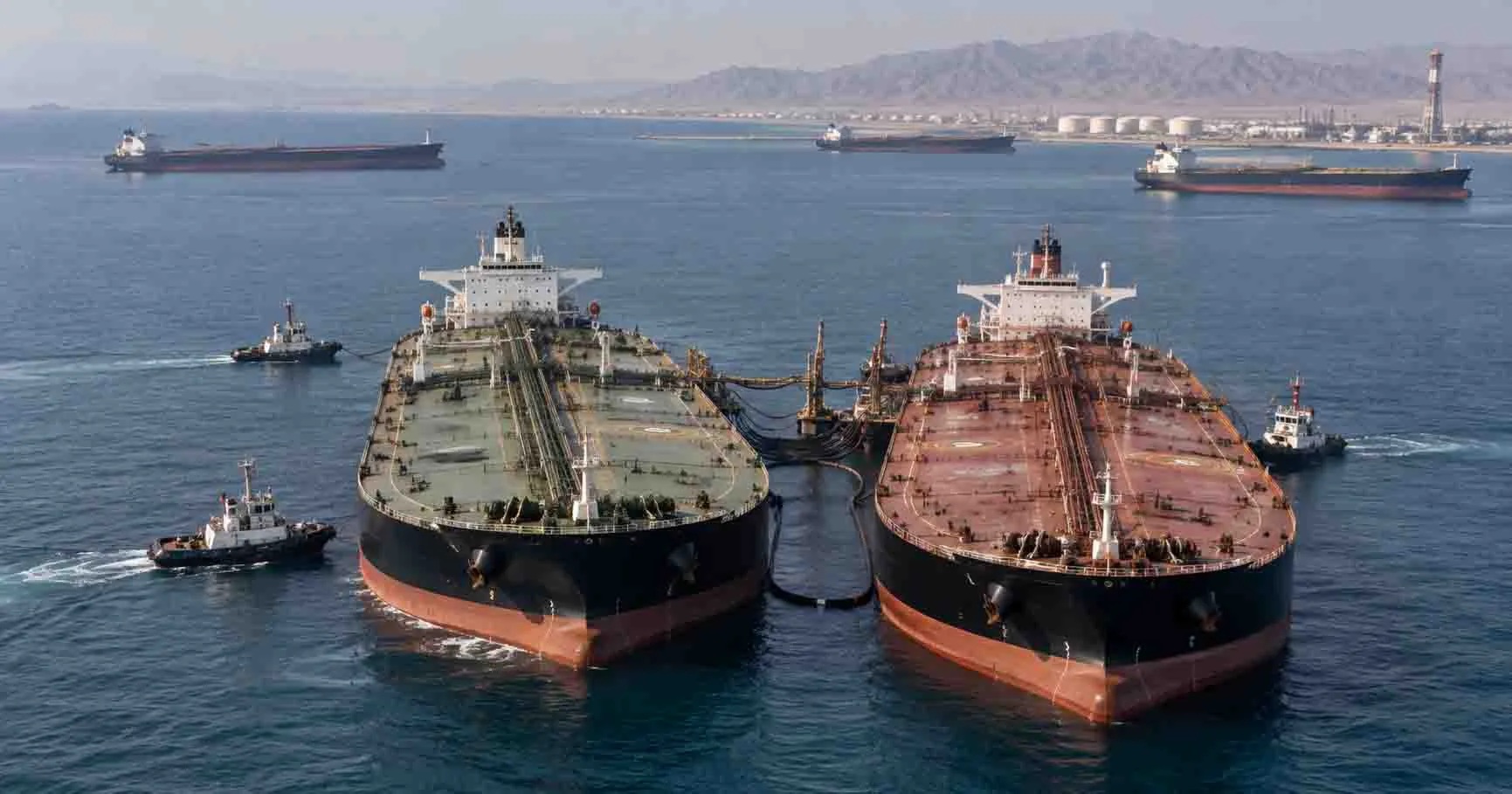
On 27 October, Iran's authority for the Strait of Hormuz said that all vessels belonging to South Korea's Sinokor will face "legal action" from 1 November. It did not say what that action would be. A Bloomberg analysis of tracking data shows that Sinokor's tankers carried 37% of the crude that crossed the strait in September. That was more than the next three operators combined.
The authority is the Persian Gulf Strait Authority, which Tehran set up in May to license passage. It has been publishing ship names since August, and Sinokor-linked tankers were on its first list. Being listed changed little. Sinokor's share went up afterwards. By Lloyd's List's count it reached 47% of very large crude carrier transits in September. The enforcement that did happen was physical: seven Sinokor-linked tankers have been damaged by missiles or drones. Naming the company is the next step after a hull list that deterred nobody.
The Korea Shipowners' Association replied the next day. It said the ships are not owned by Sinokor. It said they are sub-chartered to an overseas oil company and crewed only by foreign seafarers. On its own terms that holds. The hulls sit in offshore single-ship companies, and Sinokor Maritime is recorded as commercial manager.
Iran's warning does not define "belonging to", though, and Iran gets to decide. It can draw the line at the registered owner, the commercial manager, the charterer or the name on the bow. Many of the fleet's names end in "Prosperity". So which fleet list counts on the desk? It is the one an outsider would build from public data: register entries, fixture reports and ship names. A ship redelivered last month may still be on Iran's version.
That list matters because the warning was also addressed to cargo owners, stakeholders and insurers. The oil company holding the sub-charters is now loading onto hulls a state has named. Every round voyage crosses the strait twice. Under a war clause such as BIMCO's CONWARTIME, a head owner can refuse an order that, in its reasonable judgement, exposes the ship to war risks. Being named by a state is the kind of fact that judgement weighs. Underwriters take no instructions from the authority, but they price the voyage. Hormuz was also designated a warlike operations area under International Bargaining Forum agreements this year. That lets seafarers on covered ships refuse to sail.
None of that needs a shot fired. The August listing cost Sinokor little, because the shuttle trade paid well enough to carry the risk. The November transit data from Lloyd's List Intelligence and Bloomberg will show whether naming changes that. If Sinokor's share of the crude stays near September's 37%, a named company is behaving like a listed ship.
Primary sources
- officialPress release sb0507: sanctions on Iran's so-called Persian Gulf Strait Authority US Department of the Treasury, 2026-05-27
- 77 Ships Blacklisted, None Deterred: Inside Iran's Failing Hormuz Toll Regime Windward