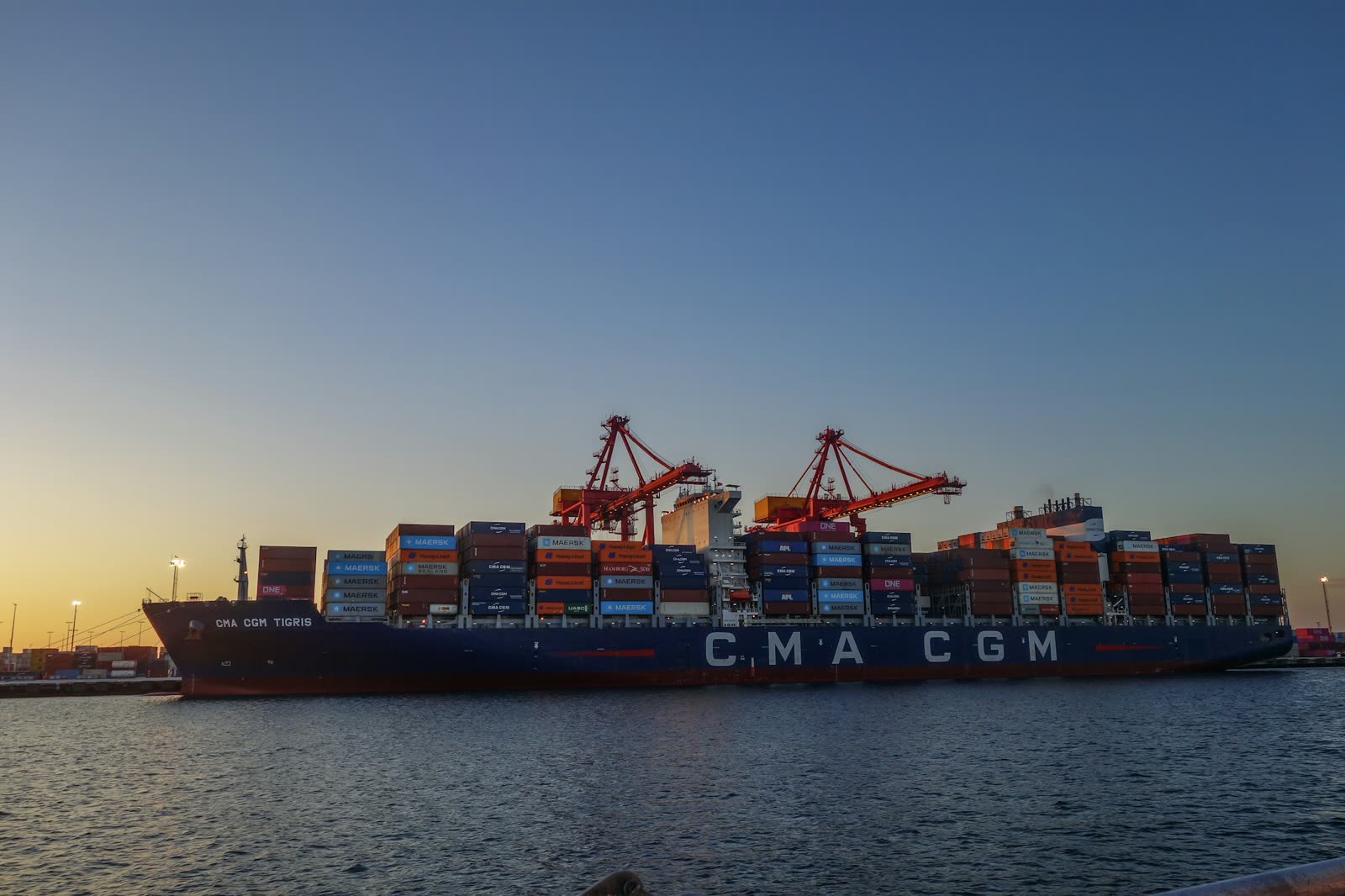
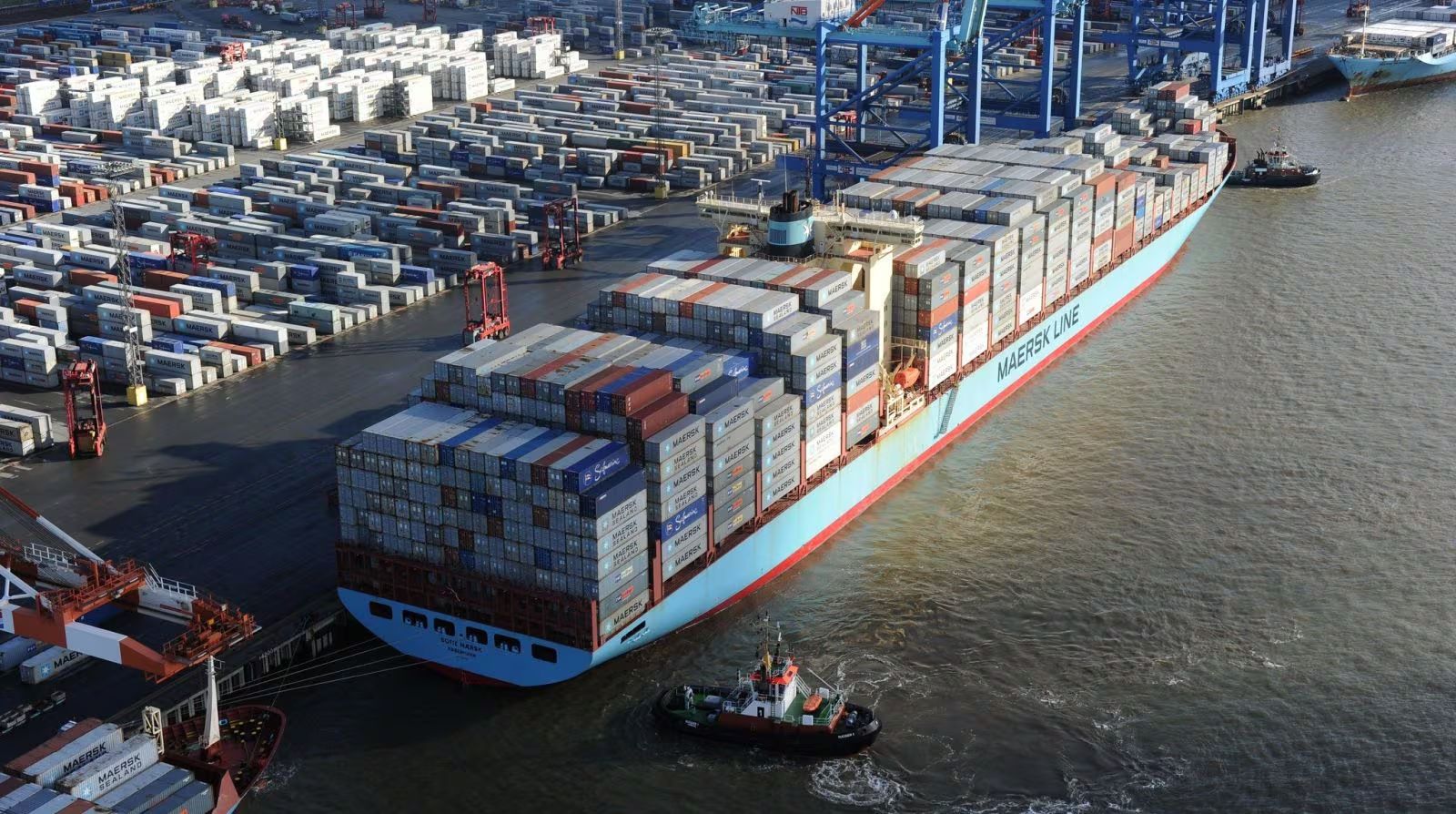
Maersk's $5 million Bitcoin hack attack
Should you cut your EDI link with Maersk?
Why bought-in platforms stay switched on long after the rebrand, and who is exposed if the ransom group's list of stolen data turns out to be accurate.
Maersk says hackers took data from an old system it inherited when it bought another company. Bought-in systems often keep running for years after a takeover, at the edge of the main network. Maersk says the breach stopped there and customer connections are safe. A ransom deadline and any notices to affected people will show what was taken.
Maersk said on 11 November that an unauthorised party had accessed and extracted data from "a local legacy system" it inherited through a previous acquisition. It says its findings so far "strongly suggest no sensitive data has been disclosed". A ransom group calling itself WhiteArmor says it took about 100GB from what it calls the "OCF/LF Logistics platform". It wants $5 million in bitcoin within 30 days.
Maersk bought LF Logistics, a Hong Kong contract logistics company, in 2022. It has not said which acquisition the system came from. LF Logistics is the obvious candidate, but only a candidate. So why would a bought-in platform still be running years after the deal? A rebrand changes the sign on the warehouse. The software underneath is a separate project, with its own budget and its own queue.
Anyone who has worked through a carrier's system migration knows how that queue behaves. Cutover moves the live bookings. The old platform stays on for the history, the claims, the audits and the reports nobody rebuilt in the new system, because keeping a server running is cheaper than reconciling five years of data. In contract logistics the tail runs longer. A warehouse system is wired into each client's ordering and inventory feeds, so replacing it means moving the clients over one at a time. The system stays on because switching it off was nobody's project.
A system like that still holds the working records of a warehouse and last-mile operation. WhiteArmor's list, if it is accurate, includes 29,297 driver records. In 16,093 of them, it says, the password is stored in plain text. It claims names and addresses for 18,913 delivery recipients. For the brand clients, it lists 189,248 purchase orders and 334,432 advance shipping notices.
Maersk says it has seen no sign that other Maersk systems were affected, or its API and EDI connections with customers and partners. For a shipper using Maersk's ocean booking channels, nothing changes, and there is no reason to cut an EDI link. The people exposed are the drivers, the consignees and the clients whose orders and suppliers are in the file.
For them, the practical risk is fraud. Anyone holding a real purchase order number, a real ASN and a real delivery address can write a convincing email asking for a new delivery point or a new bank account. A logistics desk in Asia should check any change instruction that quotes a Maersk or former LF Logistics reference with its usual Maersk contact.
Maersk has said it will notify impacted parties if its findings require it. A notice to drivers or consignees would show the data went beyond "not sensitive". WhiteArmor's 30 days run out around 7 December, if the clock started with its leak-site post, indexed on 7 November. If December passes with no notice and nothing published, that supports the company's first read.