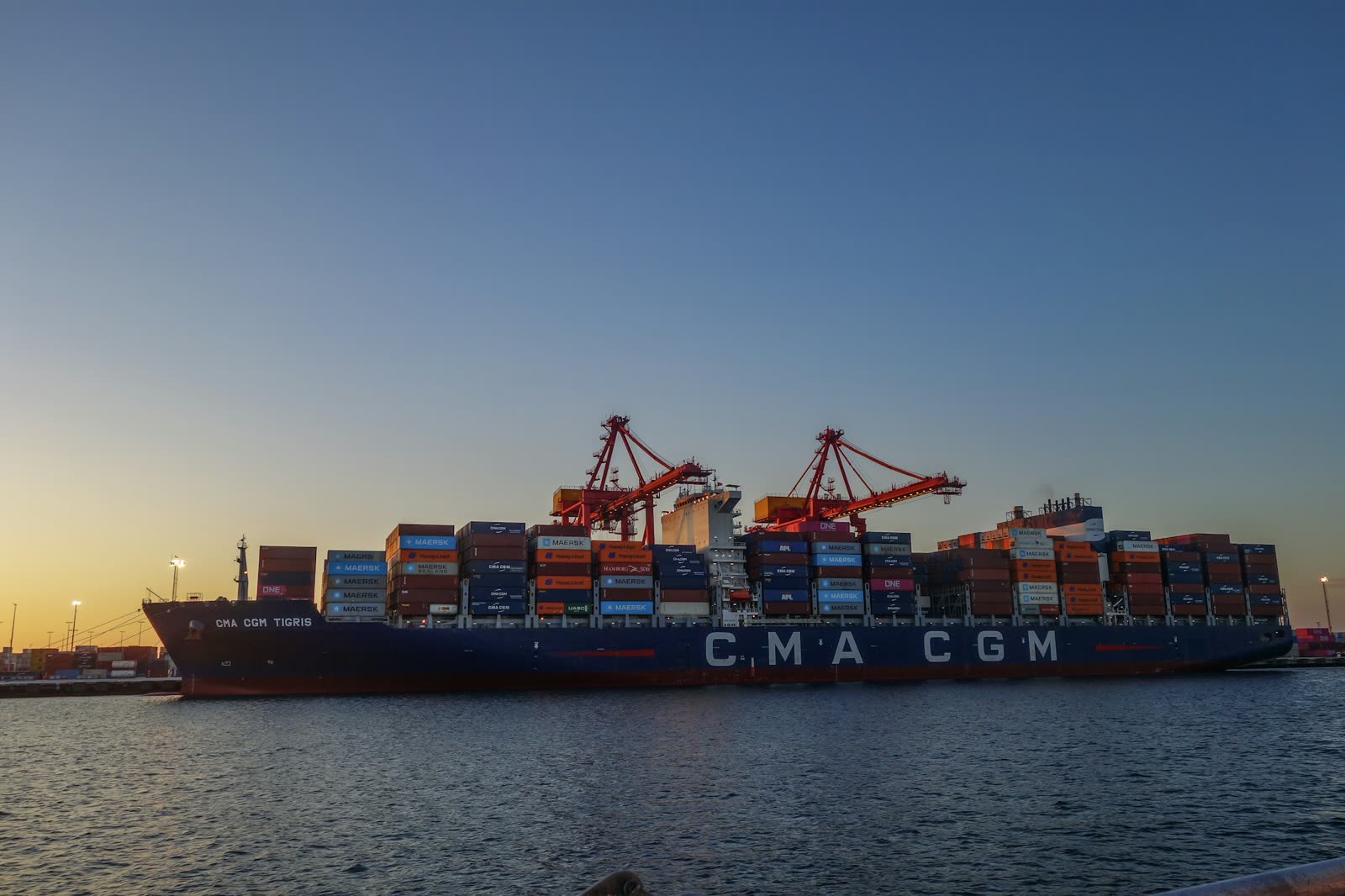
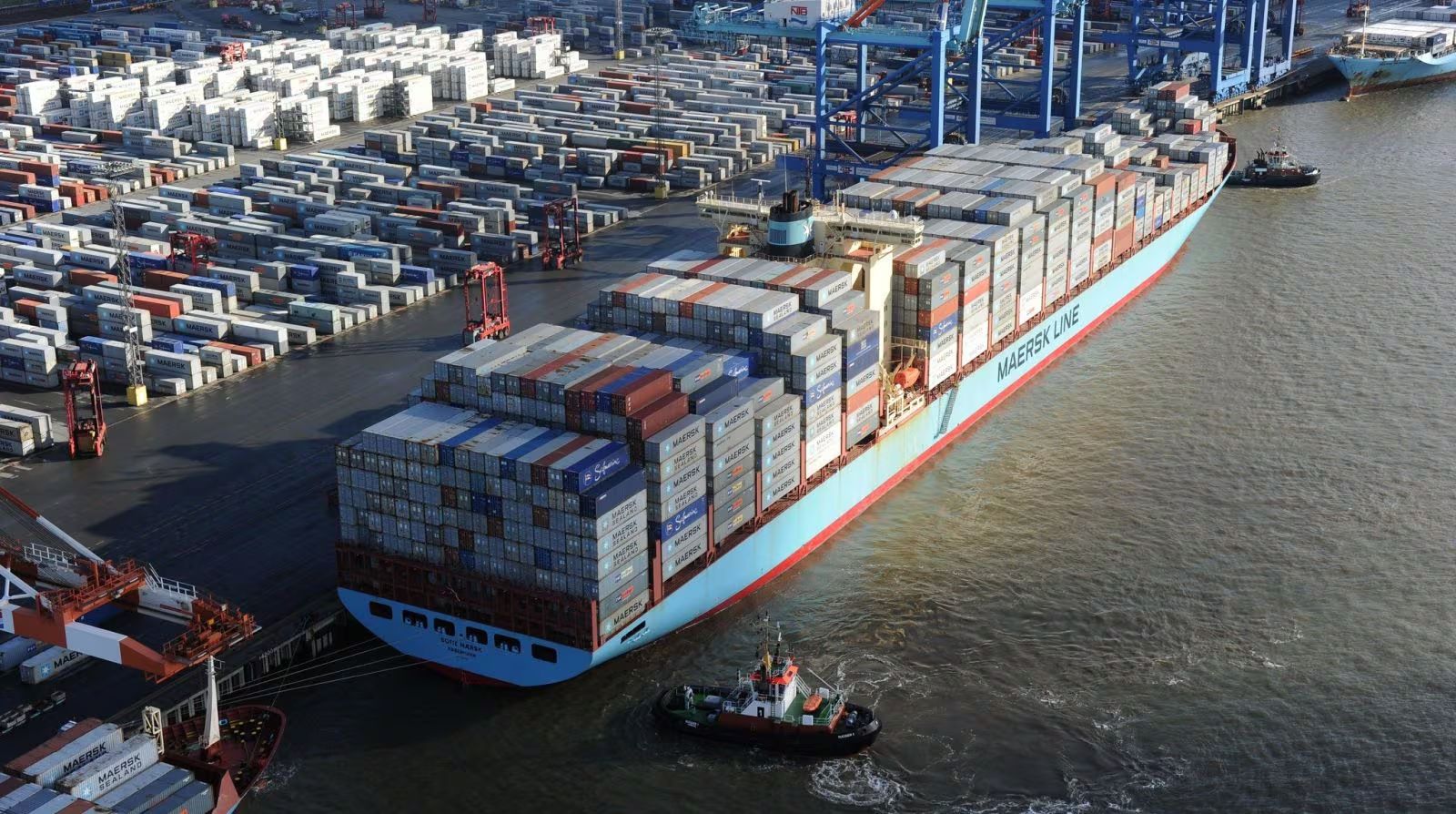
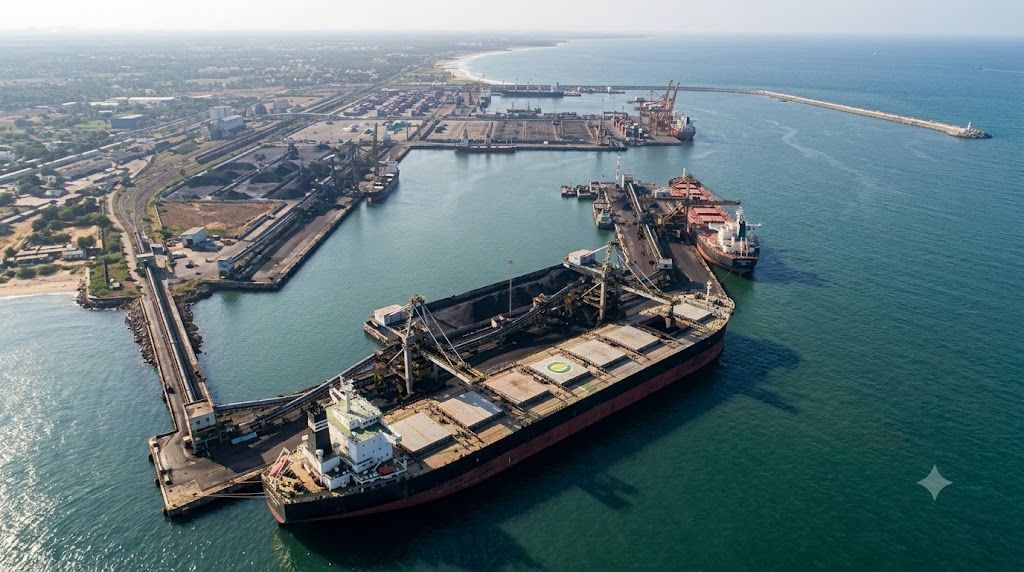
Maersk drops its heavy-load surcharge from India to Europe
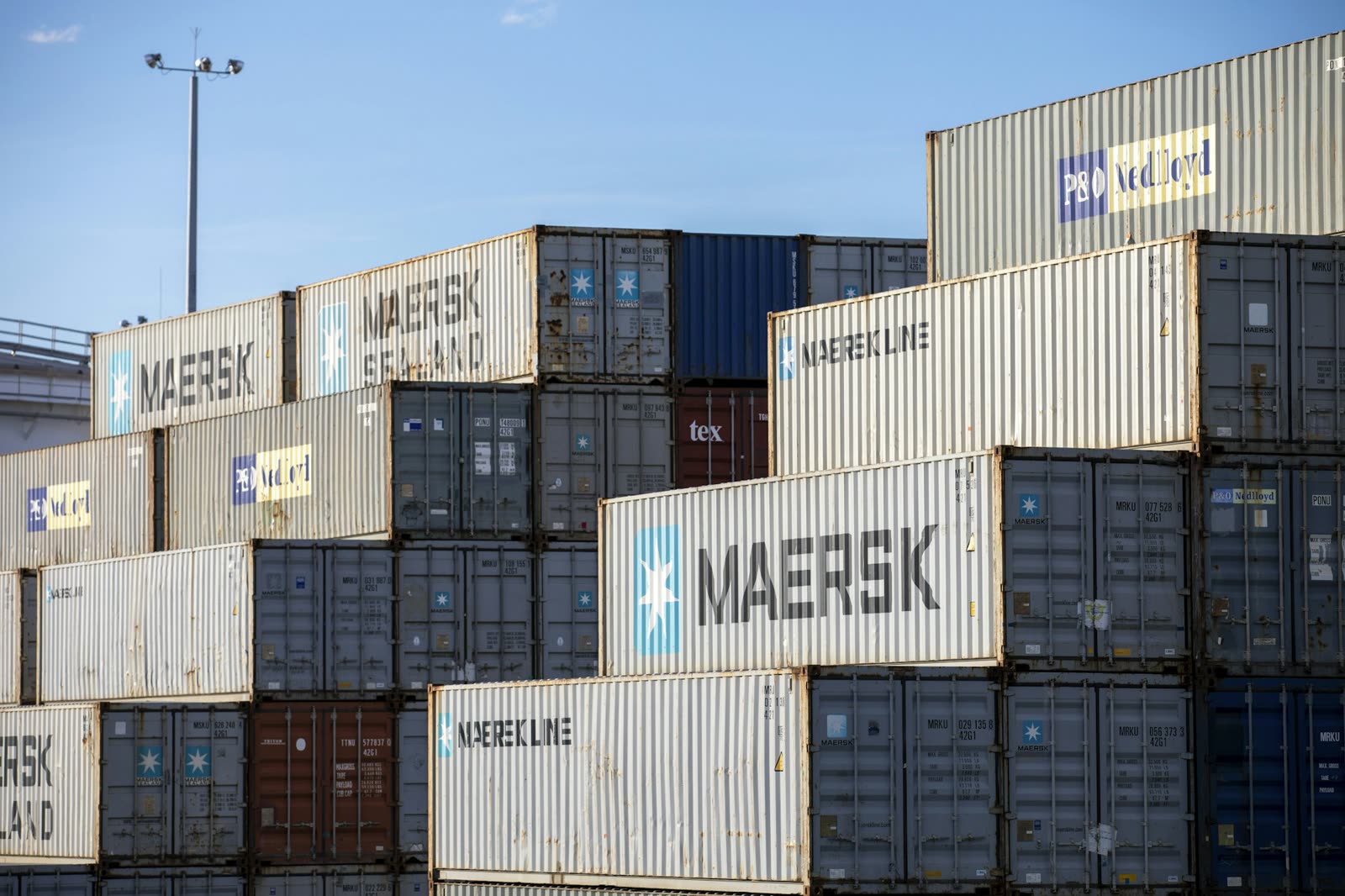
Is it the Suez return, or a concession to contract shippers?
A 22-tonne surcharge pays for the slots heavy boxes leave empty on a ship that is full by weight. Maersk has not said why it no longer needs one on this lane.
Maersk has stopped charging extra for heavy 20ft contract containers from northwest India to Europe. The charge paid for the slots a ship leaves empty when heavy boxes use up its weight allowance first. Removing it means Maersk expects room on those ships. It has not said whether the Suez return, softer demand or contract pressure decided it.
Maersk has stopped charging extra for heavy 20ft containers shipped on contract from northwest India to Europe. From 7 November its heavy-load surcharge is zero on contract bookings of 20ft dry boxes with a verified gross mass above 22 tonnes. The change covers cargo loaded at the Indian ports of Nhava Sheva, Mundra, Pipavav and Hazira for North Europe and the Mediterranean. The charge started on 7 July, and Maersk has not said why it was dropped.
Nothing on board has changed. The ships have the same deadweight and stack limits they had on 6 November. Heavy 20s still go low, in the hold or the bottom tiers. Only the billing has changed: Maersk now decides who pays for the slots those boxes leave empty.
A container ship can run out of slots or out of deadweight. A 20ft box at 22 tonnes takes one slot but uses the weight allowance of more than one average box. If you load enough of them at Mundra and Nhava Sheva, the ship reaches its marks with slots still open. Those slots sail to Europe empty, and the surcharge was how Maersk billed for them. That cost only exists when the ship is full by weight. So a zero rate means Maersk expects room on those ships.
Why would there be room in November and not in July? One answer is routing. When the charge started, ME1 and ME2, two of Maersk's India-Europe services, were sailing round the Cape of Good Hope. ME2 went back through Suez on 24 September. ME1, which loads at Mundra and Nhava Sheva, made its first westbound Suez departure from Salalah, in Oman, on 4 November. That was three days before the zero rate took effect. A shorter leg means less fuel on board, and every tonne of fuel the ship does not carry is a tonne of cargo it can lift at the same draft.
The scope of the change points somewhere else. The zero rate covers contract bookings only, and Maersk Spot sits outside it. A carrier that believed the weight problem had gone would have little reason to leave spot out. The scope looks more like a concession to contract shippers who move heavy cargo every week. In that case Maersk absorbs the cost of the empty slots, and on a heavy loading the planner still runs out of tonnes before slots.
The Cape will settle it. If an India-Europe service goes back round Africa and the charge comes back with it, routing was the reason. Maersk already suspended its Suez transits once this year, on 1 March.