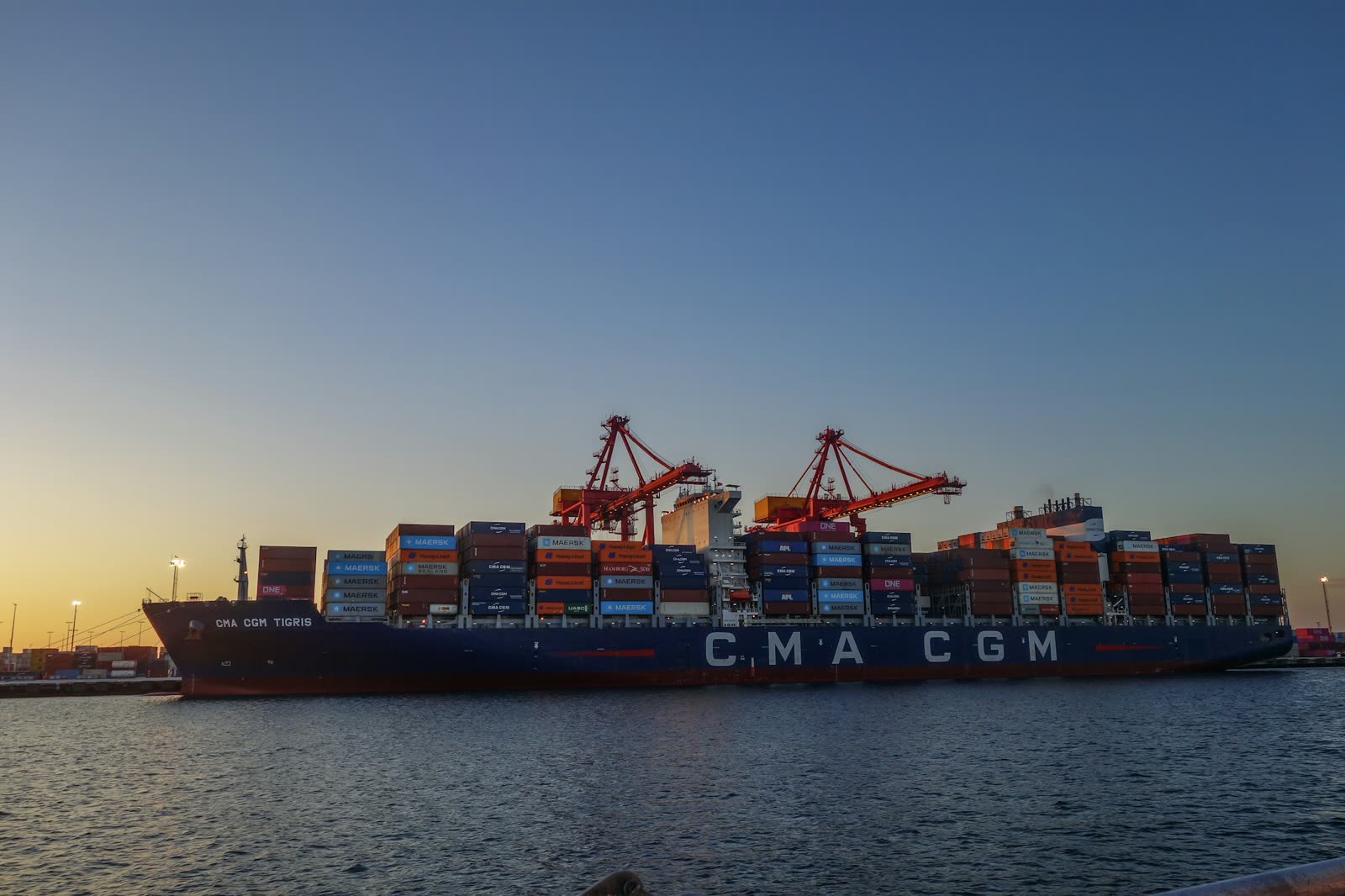
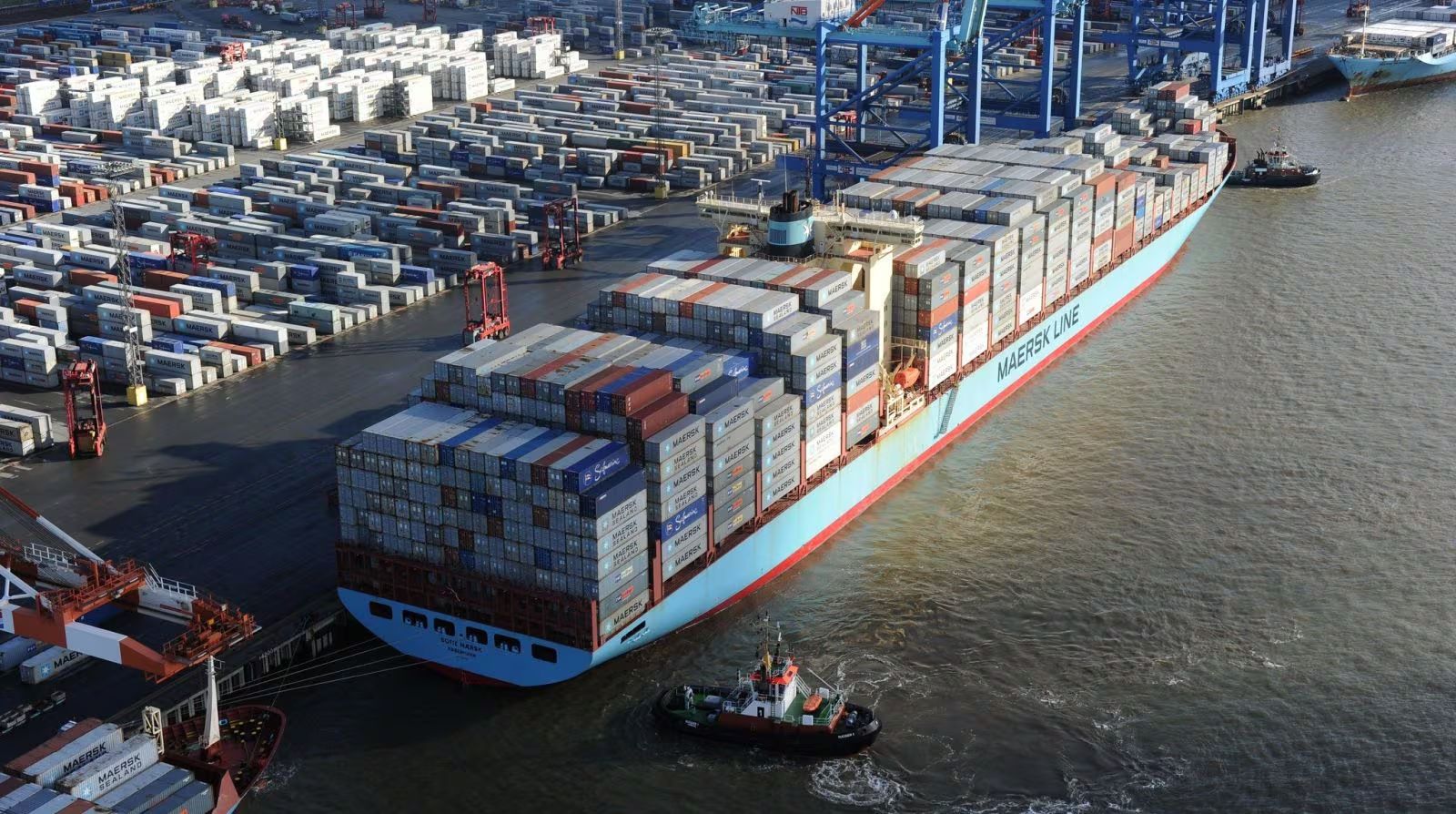
Maersk raises its 2026 profit forecast for the third time
The new forecast only holds if Asian queues stay long and Suez returns slowly.
Maersk carried slightly less cargo and earned far more, and the operating reason is ship time lost in queues, which its own network is now working to win back.
Maersk raised its 2026 profit forecast again, even though it carried slightly less cargo. Port queues and long detours used up ship time, so fewer voyages were available and freight rates rose. The profit depends on that lost ship time, and the ports and the Suez return are now giving it back.
A.P. Moller-Maersk raised its 2026 guidance on 5 November, its third upgrade this year. It now expects underlying EBITDA of $14 to 14.5 billion. The third quarter behind that upgrade moved 0.8% less loaded cargo than a year earlier. Ocean EBIT still went from $567 million to $2.6 billion.
Price did that work. Maersk's average loaded rate was $3,287 per forty-foot container, 46% higher than a year earlier. Demand was there: ONE and COSCO each grew volume by 4.5%. Maersk's ships sailed 96% full and still lifted less.
A ship's capacity over a year is its slots multiplied by the voyages it completes. A ship waiting at anchor stays full, but its round voyage gets longer, so it lifts fewer loads in a year. Maersk said typhoons in East Asia congested the ports and tied up its vessels. Global average port waiting times peaked at 16.6 hours.
The whole industry lost ship time the same way. In August, Sea-Intelligence calculated that delays had tied up 5.0% of global deep-sea capacity. The 2011 to 2019 average was 2.2%. The long Cape of Good Hope routing does the same thing as a queue, because a day at sea is a day the ship cannot load.
The market priced that shortage. Ocean revenue rose 37% while ocean operating costs rose 18%, and the profit sits in the gap between the two.
That gap is uncomfortable for the people running the network. The earnings come from a condition they spend every day trying to remove. Each hour won back at Shanghai or Singapore puts capacity back on the market. So does each string that returns to Suez. Maersk has already started: it said returning Suez services should offset the effect congestion has had on vessel productivity. Sea-Intelligence estimates that about 60% of deployed Asia-Europe capacity is now running or scheduled via Suez.
So what does the new range assume? Group EBITDA was roughly $9.5 billion through September. That leaves $4.5 to 5 billion for the fourth quarter, about what the third quarter earned. To get there, Asian waiting times have to stay well above normal and the return to Suez has to stay gradual. Investors had doubts, and the shares fell 11% on the day.
The figure to follow is Sea-Intelligence's share of capacity tied up by delays: 5.0% in August, 2.2% in a normal year. The closer it gets to 2.2%, the more of that shortage Maersk's own network has handed back.
Primary sources
- officialMaersk delivers strong Q2 and raises full year guidance Maersk (release republished by Hellenic Shipping News), 2026-08-14