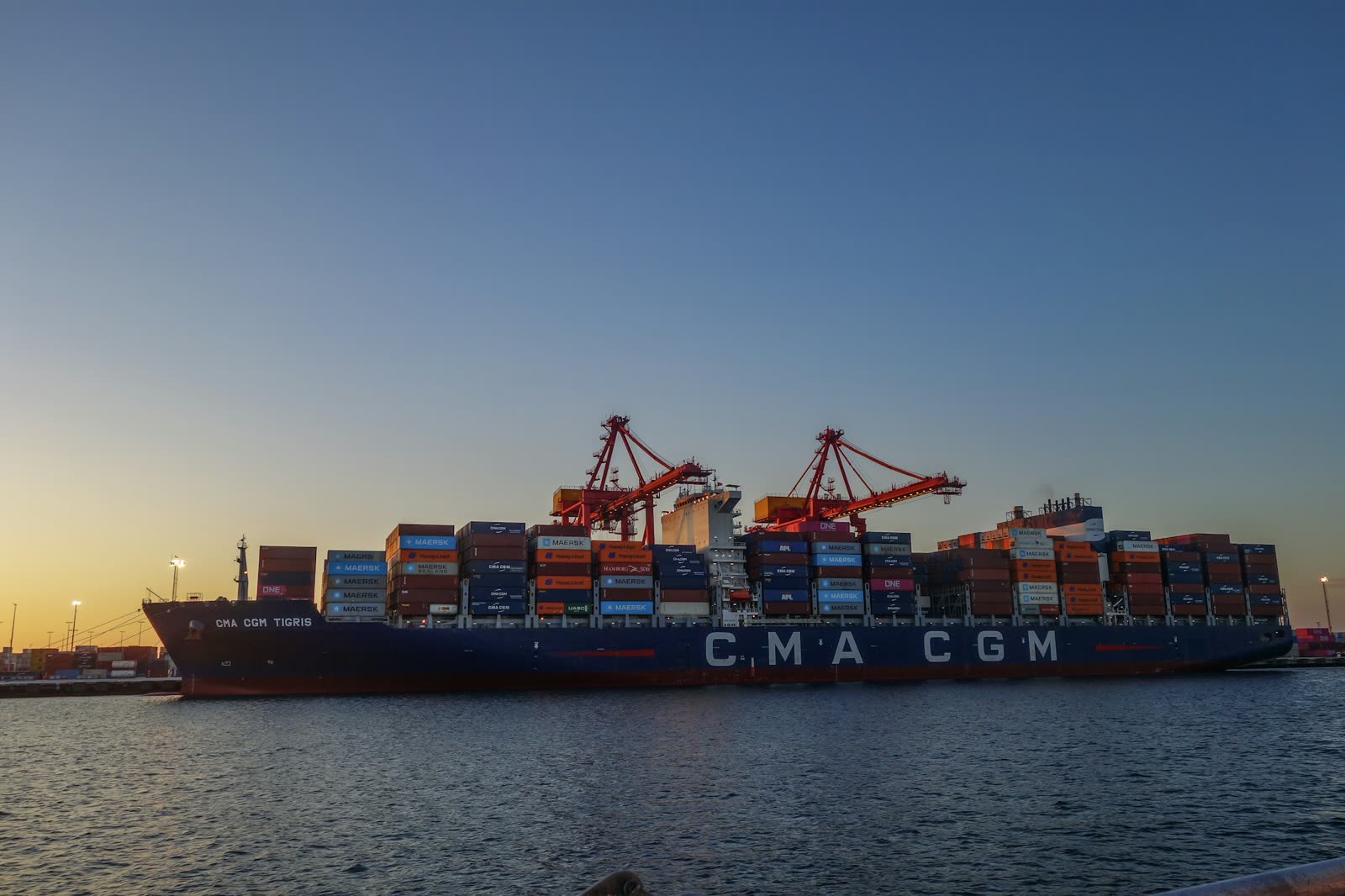
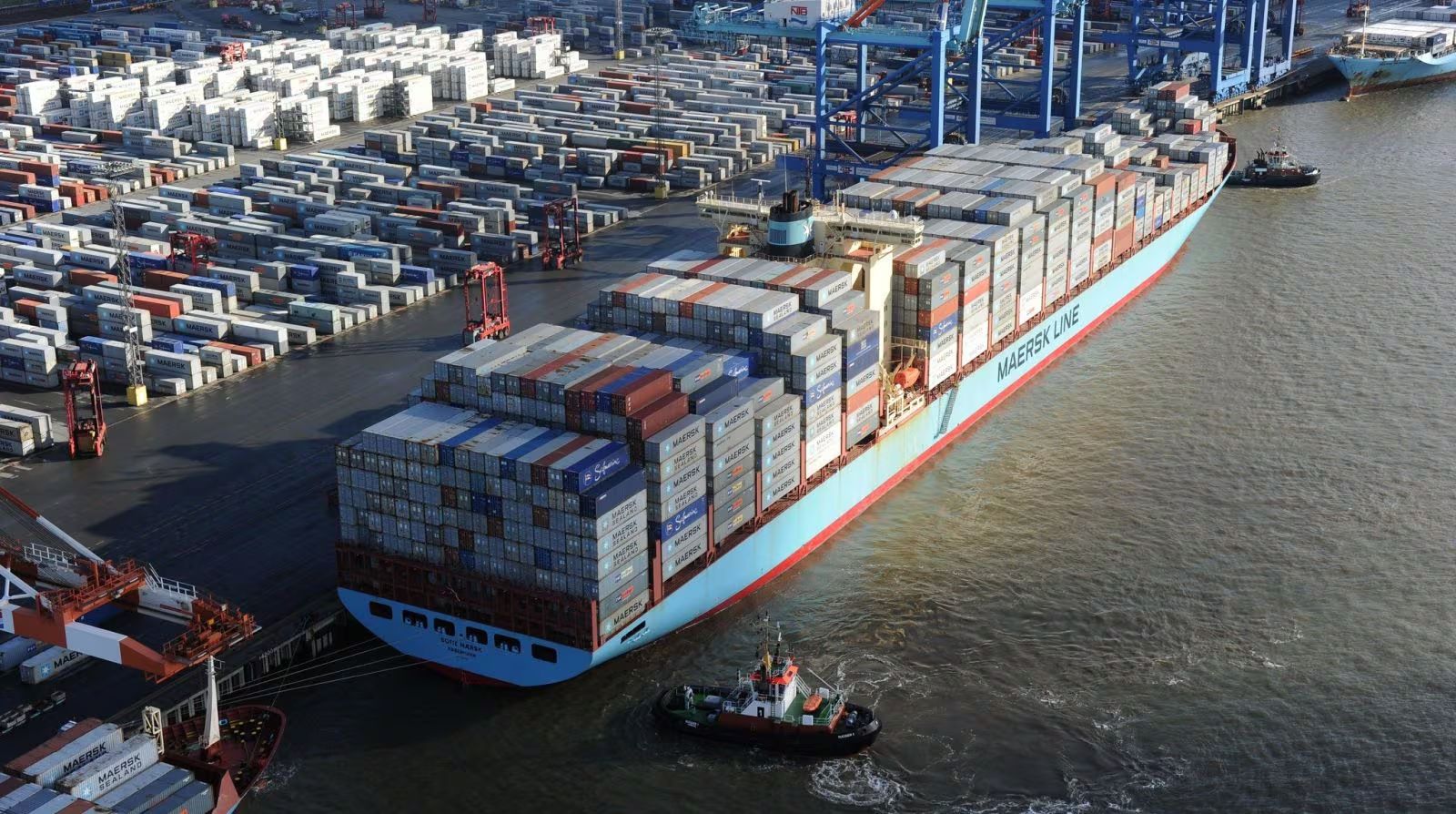
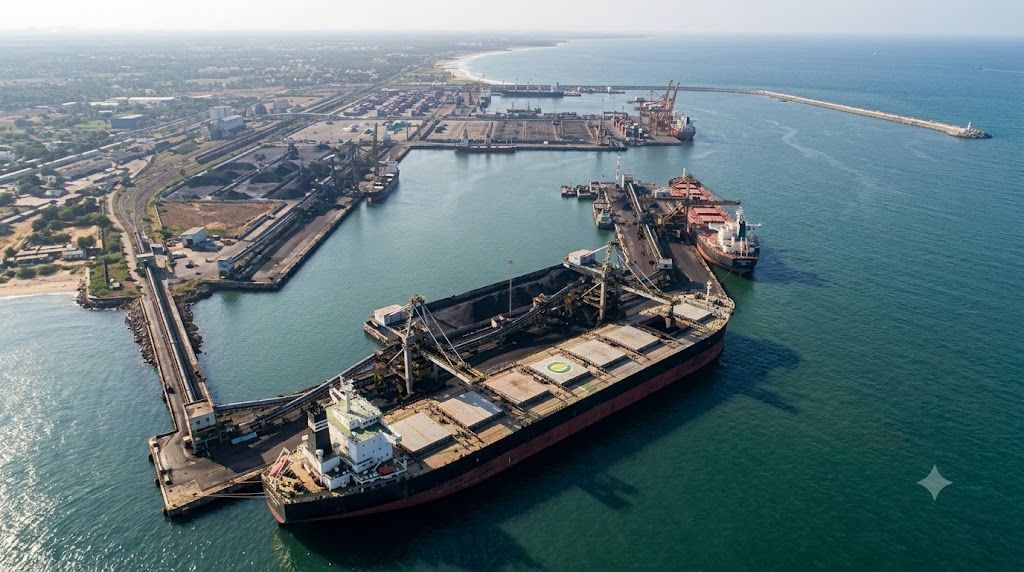
Record container capacity leaves Asia after Golden Week
Two ships at your load port in one week, both chasing thin bookings
Asian port congestion pushed third-quarter sailings into October and November. The lines' usual fix for a bunched loop is the same lever that decides where rates go.
Sea-Intelligence says more capacity is leaving Asia for Europe and North America in October and November than ever. It traces the jump to ships held up by port congestion in the third quarter, which now sail in pairs. Cancelling one of each pair repairs the schedule and removes space at once, so the number of blanks decides rates.
Sea-Intelligence, the liner analyst, says more container capacity is leaving Asia for Europe and North America this October and November than in any year it has tracked. On Asia-North Europe, average weekly deployed capacity is above 350,000 TEU. These are the weeks after China's Golden Week holiday. Capacity has tapered off in these weeks every year from 2012 to 2025, and export cargo falls away after the holiday.
Sea-Intelligence traces the jump to vessel bunching caused by port congestion in Asia. Ships due to sail in the third quarter were held up so long that they are now leaving in October and November. Capacity is counted by departure week. A ship that should have left Shanghai in September and actually left in October carries its TEU into the October count.
The delays were long enough to do that. In August, Asia's schedule reliability was 32.3%. Late ships arrived 7.28 days behind schedule on average. More than a week late on a weekly loop puts the late ship into the next sailing's slot.
At the load port, that means two ships in one week. The late ship waits for a gap at the terminal, and the next ship on the same service turns up on time behind it. Sea-Intelligence counted 12 of these double sailings on Asia-North Europe in Golden Week and the week after. Neither week had a single blanked sailing. The late ship should be carrying boxes booked for September. The ship behind it is chasing the current week's bookings. Those bookings are thin, because factories have just been shut for a week.
Two ships that leave Asia together reach Rotterdam or Hamburg together unless someone spaces them out at sea. When both are half full, the cheapest fix is to merge the two voyages and blank one. On a bunched network, that blank does two jobs at once. It repairs the schedule, and it takes space off the market. So the number of blanks decides where rates go.
Drewry's cancelled sailings tracker of 30 October gives the first count. For weeks 45 to 49, from 2 November to 7 December, 56 of 715 scheduled sailings on the main East-West trades are blanked. That is 8%.
Rates show where the space is already getting through. Drewry's World Container Index of 29 October had Shanghai to Los Angeles down 6% to $7,514 per 40ft. Shanghai to Rotterdam rose 1% to $3,686.
The number to watch is Sea-Intelligence's October reliability figure, due at the end of November. Compare it with August's 32.3% for Asia. If reliability in Asia recovers, the bunching unwinds and the double sailings stop.
Primary sources
- officialUnprecedented Capacity Levels in Oct/Nov Sea-Intelligence, 2026-10-29
- Cancelled Sailings Tracker Drewry, 2026-10-30
- 1.7 million TEU vessel space absorbed in delays Sea-Intelligence, 2026-08-19
- Global Schedule Reliability Records a Marginal Gain in September Sea-Intelligence, 2026-10-28
- Read Sea Crisis is 27% normalized. Sea-Intelligence, 2026-09-16
- August 2026 Reliability in Asia at 32.3% Sea-Intelligence, 2026-09-30
- Golden Week Capacity Distortions Sea-Intelligence, 2026-09-23