Three container ships skip Walvis Bay in Namibia
Is Walvis Bay queuing ships, or did a late service just catch up?
Namibia's ports authority has dates that support its account of three skipped calls at Walvis Bay. The anchorage and berth figures that would end the argument are unpublished, and some of them sit with the MSC-group terminal operator.
Three container ships skipped Namibia's port of Walvis Bay this month. The ports authority says they were late from earlier ports, and dropping a port is how a delayed service catches up. The dates fit that story, but they cannot show whether ships are queuing. Waiting times, berth use and other services' calls would settle it.
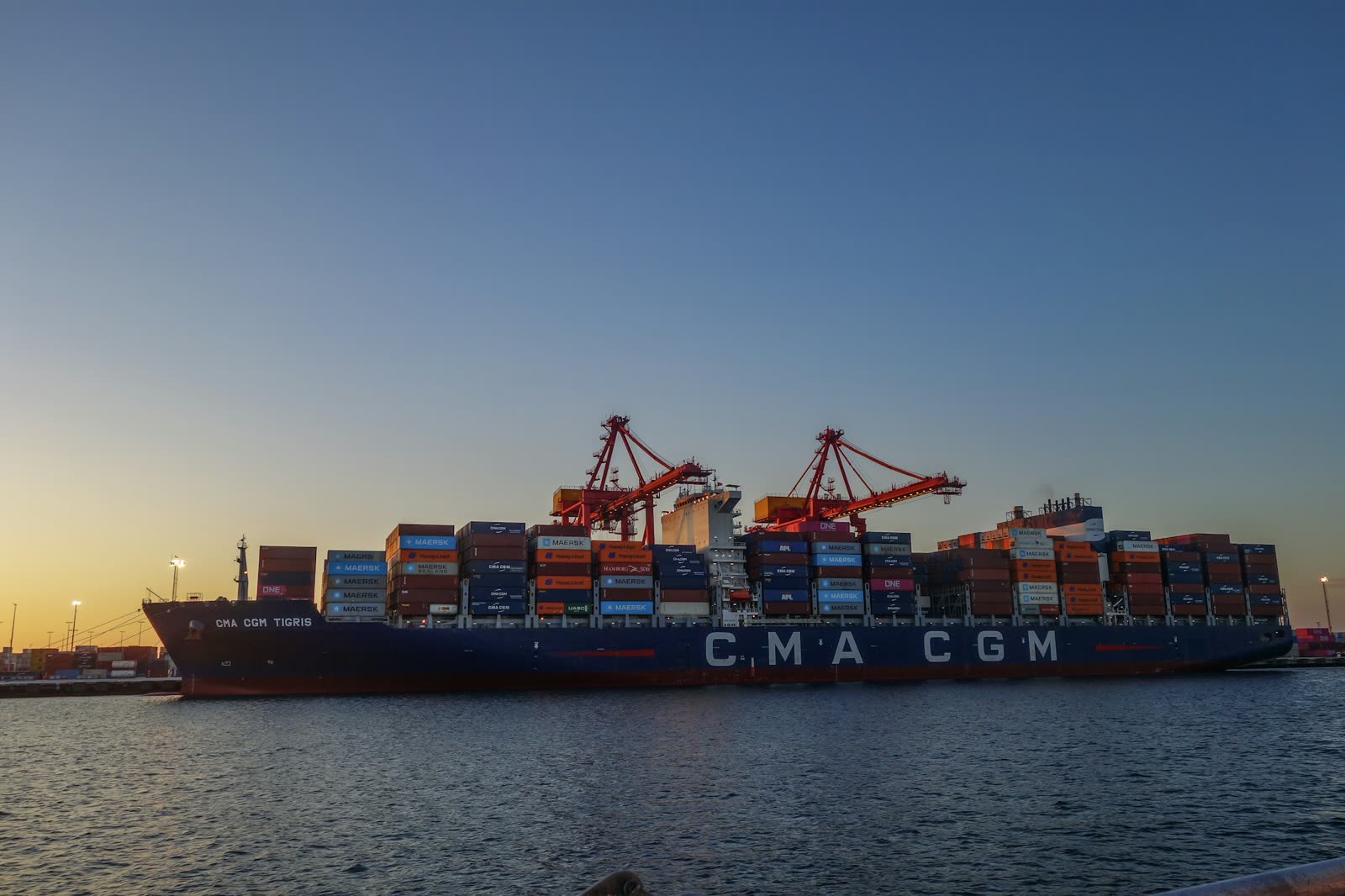
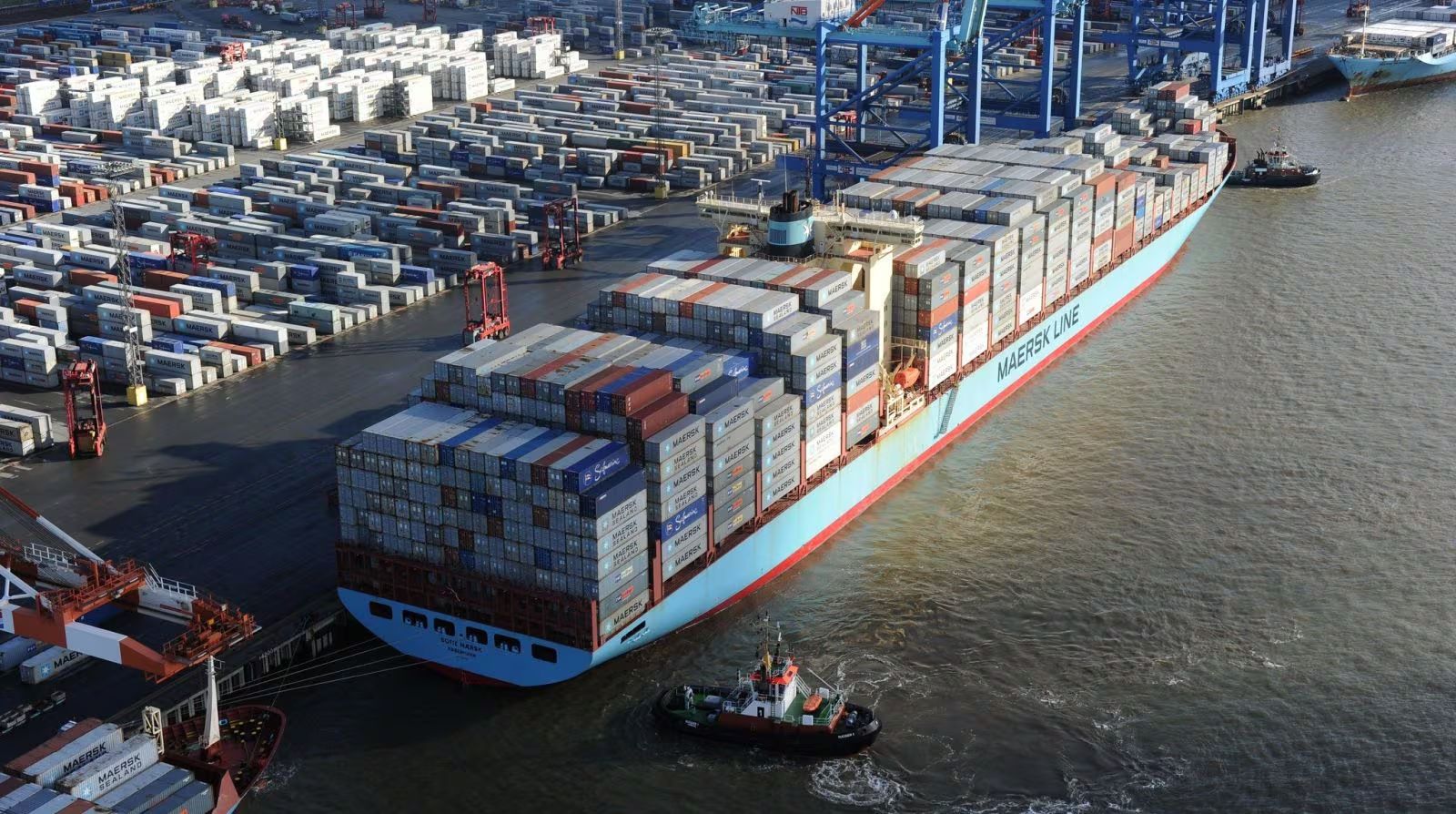
Three container ships from Maersk, COSCO and CMA CGM skipped Walvis Bay this month. It is Namibia's main port, on the Atlantic coast of southern Africa, and the opposition calls the omissions a crisis. The Namibian Ports Authority, Namport, says there is no congestion. In its account the ships were late from earlier ports, and the container terminal runs "well below capacity". Exporters who missed them wait at least a week for the next sailing.
Namport's statement also contains a detail that does not fit. A fourth ship, Blue Master II, arrived late and asked to berth ahead of ships already waiting. Namport refused under its standard rules, and the ship sailed for Cape Town. So by the port's own account, ships were queuing that day. The statement does not say how many ships were waiting or for how long.
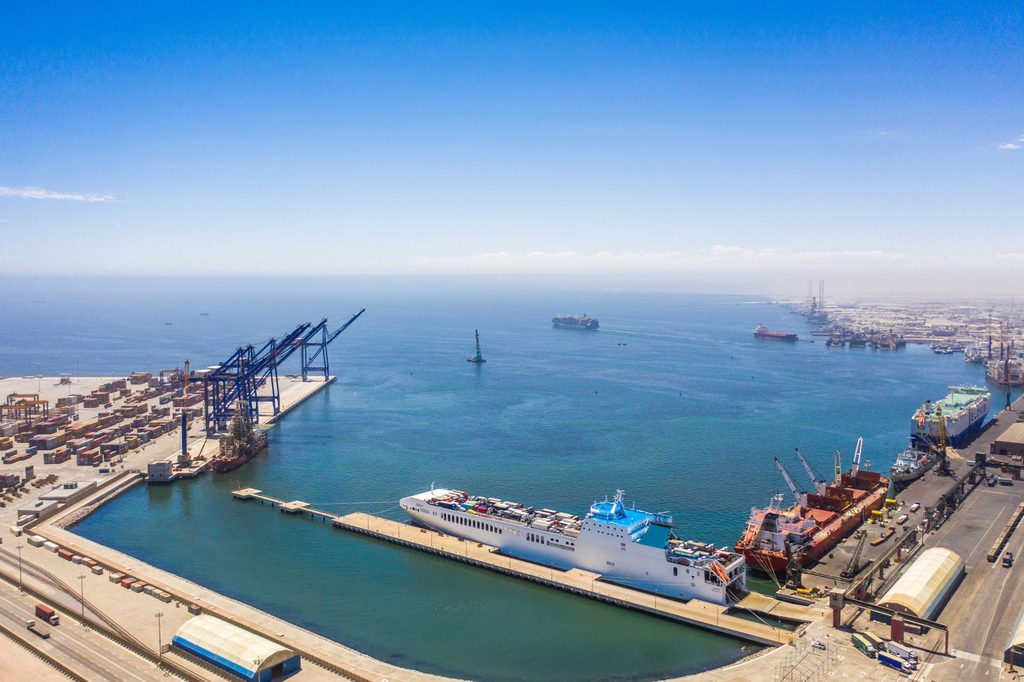
That queue and "well below capacity" can both be true. The container terminal opened in 2019 with 750,000 TEU of annual capacity. That is a yearly figure, and congestion is a queue on one day. A terminal can run half-empty over twelve months and still have ships waiting when three arrive the same week.
The omissions themselves fit Namport's account. It ties them to FEW6, Maersk's weekly service from Asia to West and southern Africa. If all three ships sail on it, the three carrier names describe one service's delay. Walvis Bay is the last African call on FEW6 before the long leg back to Singapore. The delay grew from five days for Maersk Sydney to about ten for Cosco Korea. A weekly service that far behind can catch up by steaming faster on the way home, which burns much more fuel, or by dropping a port. The last coastal call before an ocean crossing is often the one that goes.
The dates explain the omissions. They cannot show whether ships that do call wait too long, and the figures that could show it are held in two places. Namport runs port control and pilotage, so it holds arrival times. The container terminal is run by Terminal Investment Namibia, part of TiL, the MSC group's terminal business. The terminal holds berth occupancy and crane rates.
Until one of them publishes weekly anchorage waiting times, the schedule is the check. If the FEW6 ships behind Cosco Korea call Walvis Bay close to their December dates, this was a late service putting itself right. If omissions run into January, or spread to services that never call at Luanda in Angola, the port is what they have in common.
Primary sources
- officialHandover of new container terminal at Port of Walvis Bay Namport, 2024-10-01
- Container Port Performance Index 2025 reveals ports' pivotal role in supply chain stability S&P Global Market Intelligence, 2026-06-10